


*A life dedicated to sport
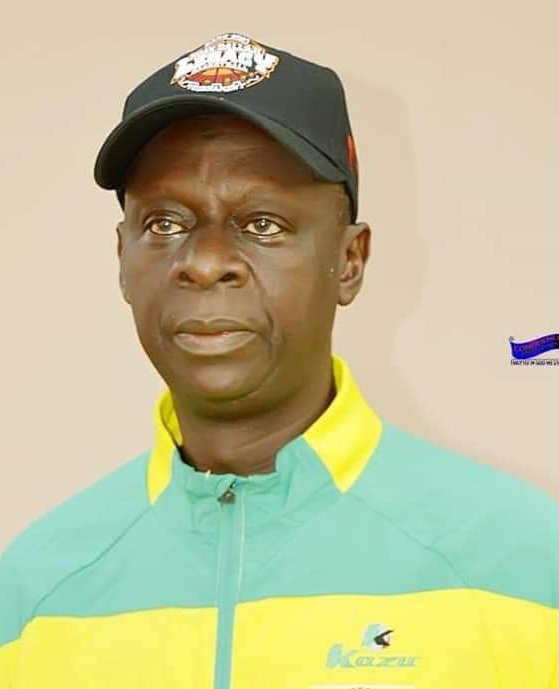
Five decades after entering the National Sports Festival as a young athlete, Coach Bolakale Adisa Mogaji is helping to shape its future in Kwara
There are sports administrators who came into administration through the boardroom, and there are others who arrived there after years of sweating on the field, competing, coaching, officiating and nurturing athletes. Coach Bolakale Adisa Mogaji belongs firmly to the latter category.
His story is not merely that of a sports administrator who has spent years managing competitions and athletes. It is the story of a man who has lived virtually every side of sports, as an athlete, champion, coach, referee/umpire, talent developer, technical official, federation administrator and, ultimately, a leading sports administrator.
More remarkable is the fact that his sporting journey is intertwined with the history of Nigeria’s National Sports Festival.
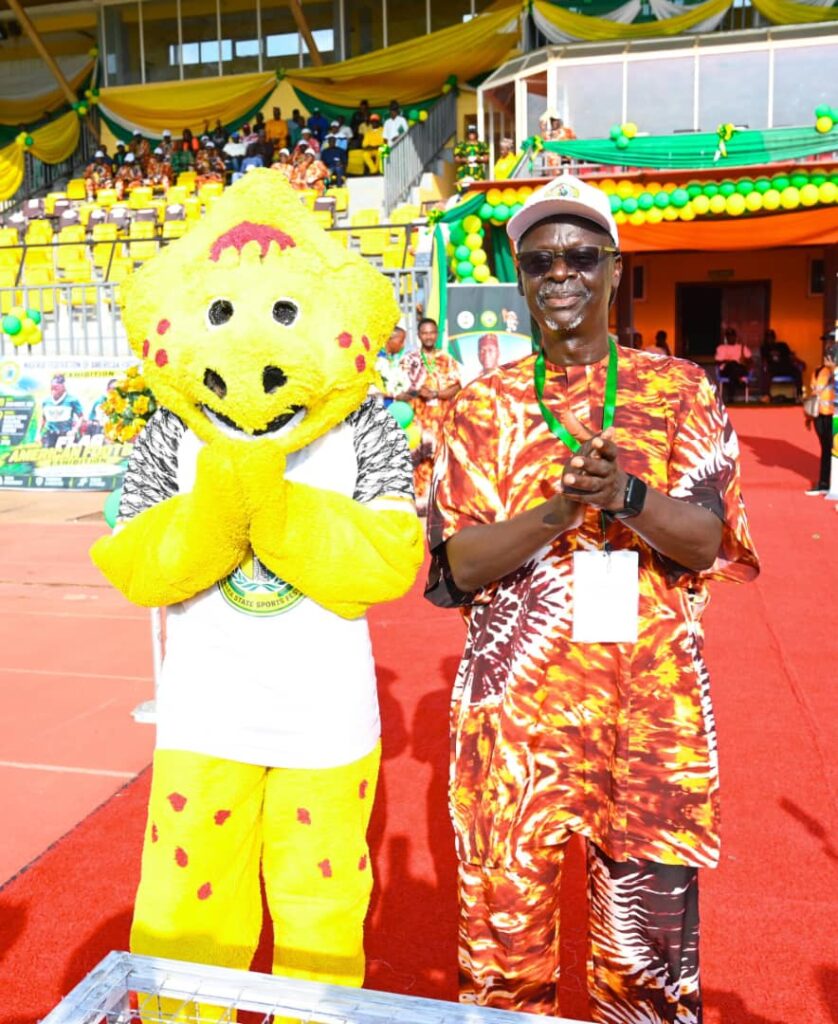
Today, as Chairman of the Main Organising Committee (MOC) of the 8th Kwara State Sports Festival, KWAFEST 2026, Mogaji finds himself helping to organise a competition that has been part of his life for more than five decades. He was there at the beginning.
As a Form Two student in 1973, the young Mogaji participated in the inaugural National Sports Festival in Lagos. Nigeria then had only 12 states, and the festival itself was still a novel experiment, conceived not only as a sporting competition but as a vehicle for rebuilding national unity after the Nigerian Civil War.
Among those representing Kwara in football at that first edition was the young Mogaji. Also in the Kwara contingent was another young footballer who would eventually become one of the state’s most prominent sons, the current Governor, Mallam AbdulRahman AbdulRazaq.
The experience, however, was hardly a gentle introduction to competitive sport. Kwara’s junior football team suffered a heavy 12-0 defeat to an Eastern team. Perhaps the scoreline was enough to convince Mogaji that football was not his ultimate sporting destination.
He moved on.
At the 1975 National Sports Festival, he took up swimming. Mogaji and his colleagues trained at Kainji Motel, Kainji, in preparation for the competition. But swimming also came with its own challenges, including what he later described as intimidation. By 1977, another chapter had opened. Mogaji had discovered squash. And this time, he found his sporting home.
The Kwara squash team progressed to the quarter-finals of the 1977 National Sports Festival. Two years later, at the 1979 edition in Ibadan, Mogaji and his teammates made history by winning what became the first gold and bronze medals for Kwara in squash at the National Sports Festival.
It was the beginning of a relationship with the sport that would eventually take him to national prominence. Mogaji’s playing career lasted into 1989, when he retired from active competition unbeaten. But retirement from playing was not retirement from sports.
Far from it. It was the beginning of another phase.
Mogaji joined the Kwara State Sports Council and rose to become Chief Coach, a position he held from 1977 to 1995. The transition was significant. He was no longer competing only for himself. He was now responsible for discovering, training and developing other athletes. That experience would become one of the defining characteristics of his career.
In squash, he established himself as one of Nigeria’s leading practitioners, winning the National Squash Championship in 1988 and 1989 before moving into national coaching. From 1995 to 2014, he served as a national squash coach, helping to shape athletes beyond the boundaries of Kwara.
His career also expanded into technical and administrative responsibilities within the Nigeria Squash Federation. He served as Technical Chairman, Vice-President and Players’ Representative, while also occupying leadership responsibilities within the Nigerian Squash Referee Association. The pattern was becoming clear.
Mogaji was steadily moving through every level of the sporting ecosystem, from athlete to coach, from coach to technical official, and from technical official to administrator. It is this practical experience that distinguishes him today. He understands what an athlete needs because he has been one. He understands the coach because he has stood on the technical bench. He understands officiating because he has been involved in it. And he understands administration because he has spent decades working at the policy and organisational level.
Mogaji’s career can therefore, be viewed as a living bridge between the early years of Nigeria’s National Sports Festival and the present generation of young athletes.
He has seen the festival grow from its modest beginnings in 1973 into Nigeria’s biggest multi-sport competition. He has experienced it as a competitor, witnessed its evolution as a coach and administrator, and is now helping to build its grassroots future.
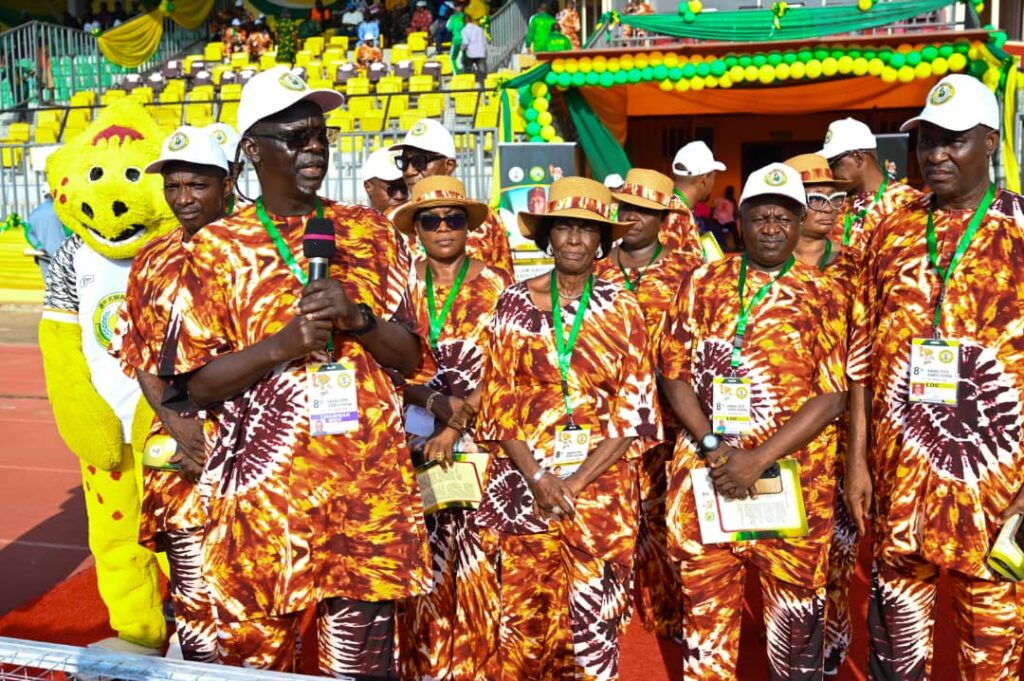
That history explains his decision to bring veterans of Nigerian and Kwara sports into the organisation of the 8th Kwara State Sports Festival. For Mogaji, their inclusion in the Main Organising Committee and Local Organising Committee was deliberate.
It was about experience.
“We wanted to tap from their experience to successfully drive the Games,” he explained.
The idea was also to give young athletes an opportunity to see and interact with people who had travelled the same road before them. The veterans were not brought in simply to occupy positions. They were brought in to inspire.
They were brought in to mentor. They were brought in to demonstrate that a sporting career can extend beyond the playing field. And they were brought in to pass knowledge from one generation to another.
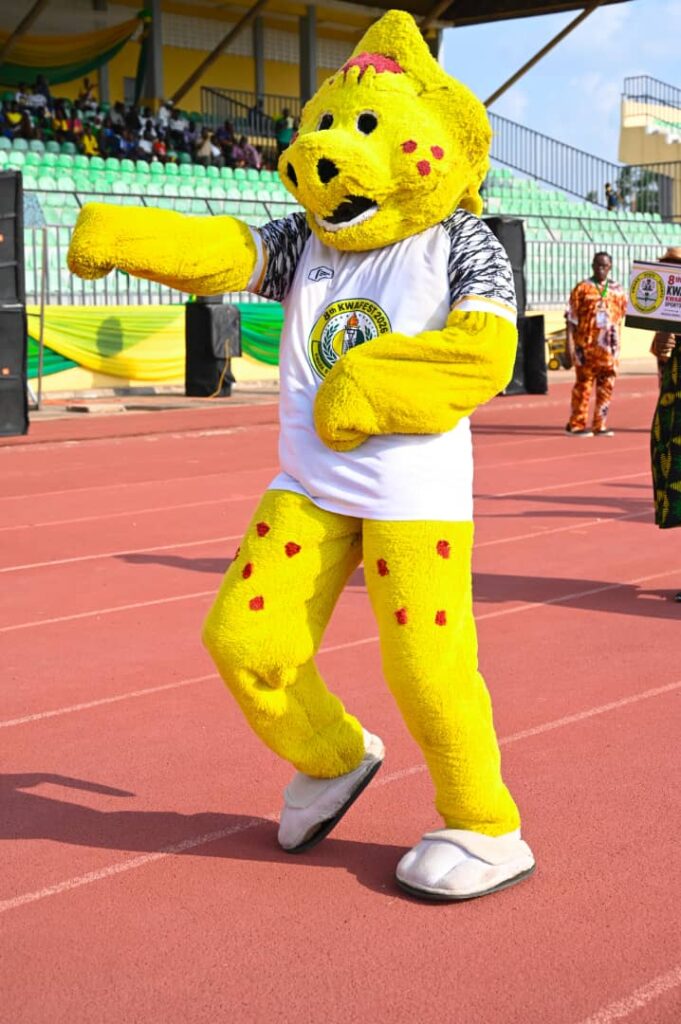
As Chairman of the Main Organising Committee of the 8th Kwara State Sports Festival, Mogaji has approached the assignment with the same philosophy that has defined his career, talent discovery, development, infrastructure and sustainability.
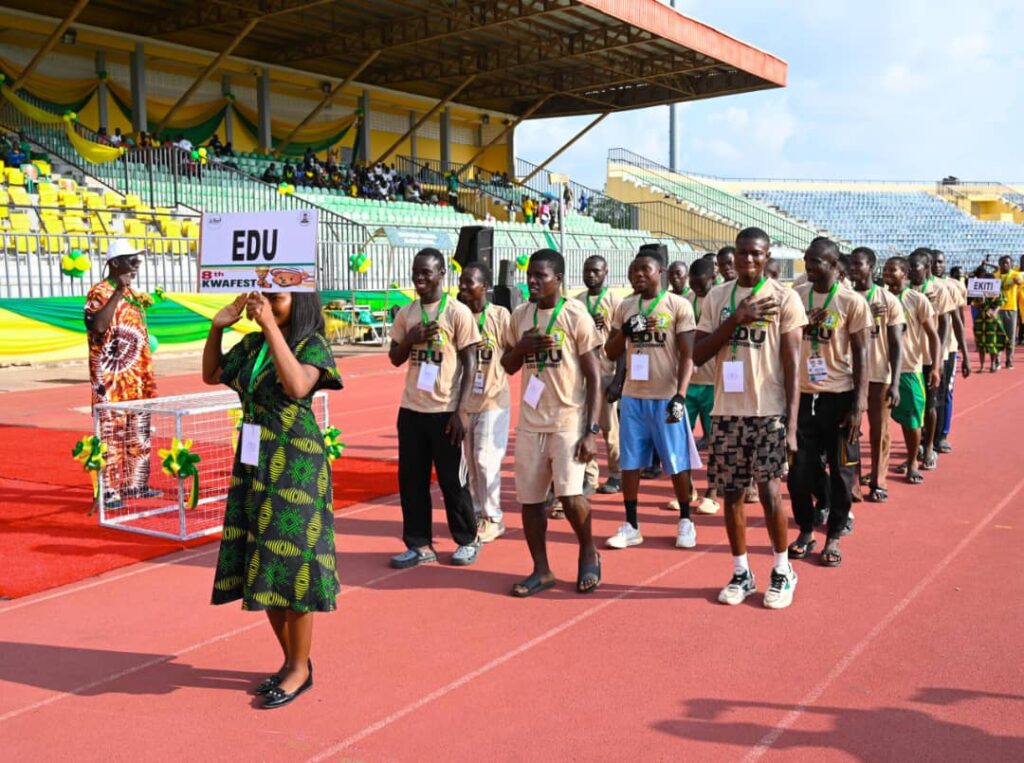
The Games, involving athletes from all 16 Local Government Areas across 26 sporting events, are expected to serve as a major platform for identifying indigenous talents.
Mogaji has consistently urged the LGAs to use the festival for genuine grassroots talent discovery rather than importing athletes from outside their areas. For him, the medals are important, but they are not the ultimate objective.
The greater prize is the discovery of the next generation of athletes who can represent Kwara and Nigeria at national and international competitions. That philosophy is rooted in his own experience. After all, somebody discovered the young Mogaji in 1973. Somebody gave him an opportunity. Somebody provided the platform on which he developed. And today, he is attempting to provide that same platform for another generation.
Perhaps nothing better captures Mogaji’s satisfaction with KWAFEST 2026 than his own assessment of the preparations. “I am fulfilled already. The veterans are making the difference.”
For him, the success of the Games began long before the opening ceremony.
“Before we start, over 60 percent of what we wanted to do had been achieved, the facilities.”
He attributes much of the progress to the sustainable structure introduced into sports administration by Governor AbdulRahman AbdulRazaq. “Governor AbdulRahman AbdulRazaq instituted a sustainable structure in sports,” he said.
That emphasis on sustainability is central to Mogaji’s administrative philosophy.
He has consistently advocated sports infrastructure that will remain useful after competitions have ended, rather than facilities built merely for ceremonial purposes. One of the clearest examples is the squash facility at the George Agbazika Innih Stadium Complex in Ilorin, which bears his name.
The Bolakale Adisa Mogaji Squash Court/Complex represents more than a personal honour. It is a tangible investment in a sport to which he devoted much of his life and an infrastructure that can provide a pathway for young athletes from grassroots participation to elite competition.
Mogaji’s tenure as Executive Chairman of the Kwara State Sports Commission has further strengthened his reputation as a grassroots-oriented sports technocrat. Appointed pioneer Chairman of the newly established Commission in 2021, he returned to the position after the reconstitution of the Commission in 2025.
His priorities have consistently revolved around grassroots talent discovery, youth development, athlete welfare, sports infrastructure, inclusive sports, football development and stronger representation for Kwara at national competitions.
His philosophy was particularly visible during the National Youth Games, where he stressed meticulous selection, training and preparation of Team Kwara athletes.
His extensive knowledge of sports has earned him the description of a “sports encyclopaedia” among stakeholders. But perhaps the best description of Mogaji is simpler. He is a practitioner.
Although squash remains central to his identity, Mogaji’s contribution has never been restricted to one sport. His experience cuts across football, swimming, badminton, squash, coaching, officiating, administration and competition organisation.
He has also played roles in major national sporting structures, including the organising framework of the Eko 2012 National Sports Festival.
For Mogaji, sports must be broad enough to accommodate talent wherever it is found. That is why grassroots competitions matter. That is why facilities matter. That is why coaches matter. And that is why veterans matter.
There is something almost poetic about Mogaji’s present assignment. In 1973, as a young schoolboy, he entered the National Sports Festival as an athlete. More than 50 years later, he is helping to organise a new generation of athletes through the same sporting tradition.
He has moved from the field to the technical bench, from coaching to officiating, from officiating to federation administration and from there to the highest levels of sports administration in Kwara.

He has been an athlete. A champion. A coach. A national coach. A referee/umpire. A technical administrator. A federation executive. A competition organiser. A sports administrator. And now, a principal architect of a state-wide grassroots sports festival.
That is why the 8th Kwara State Sports Festival means more to Mogaji than another item on an administrator’s calendar. It is, in many ways, a return to his beginning.
The young Form Two boy of 1973 could hardly have imagined that, more than five decades later, he would be sitting at the centre of the organisation of a sporting festival designed to discover and nurture another generation of young Kwarans. His story is therefore not simply about the medals he won or the positions he occupied. It is about continuity. It is about service. It is about transferring knowledge.
And ultimately, it is about ensuring that the sporting opportunities that shaped his own life remain available to the young athletes coming behind him.
Coach Bolakale Adisa Mogaji has travelled almost the entire sporting journey, from athlete to administrator. At KWAFEST 2026, he is now using that journey to light the path for others. And perhaps that is the most fitting medal of all.