








For decades, Nigerian football fans were largely dependent on what they saw inside local stadiums to understand the game. Referees were rarely questioned, decisions were accepted as final, and knowledge of the intricate Laws of the Game remained limited to officials and a few experts.
But the globalisation of football has completely changed that reality.
Today, millions of Nigerian fans follow top leagues like the English Premier League, UEFA Champions League and La Liga every weekend through satellite television and streaming platforms. With detailed commentary, slow-motion replays, expert analysis, and even refereeing explanations, the modern fan has become far more educated about football rules than ever before, even more than some referees.
Ironically, this growing knowledge is now shining an uncomfortable spotlight on the poor standard of officiating in Nigeria’s domestic league, particularly in the Nigeria Premier Football League (NPFL) and the Nigeria National League (NNL).
In Europe’s elite leagues, officiating is treated as a professional science. Referees undergo rigorous physical tests, regular rule seminars, psychological training, and technological support such as the Video Assistant Referee (VAR).
Fans watching these leagues every week are exposed to detailed breakdowns of decisions: offside interpretations, handball clarifications, advantage rules, and disciplinary procedures.
As a result, Nigerian supporters are no longer passive spectators. They now understand when a referee has made an obvious mistake. Unfortunately, many referees in the local league appear poorly equipped to handle this new reality.
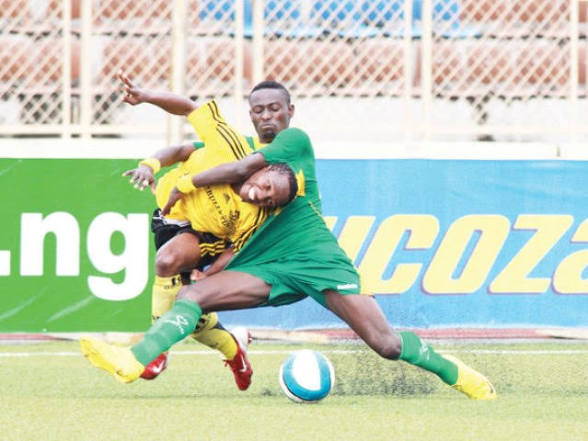
Decisions that contradict basic rules, questionable penalties, inconsistent foul calls, ignored offside positions, or reckless disciplinary actions, now provoke immediate backlash from spectators who have seen how the game is properly officiated abroad.
The result is predictable: anger, protests, and sometimes chaos inside stadiums.
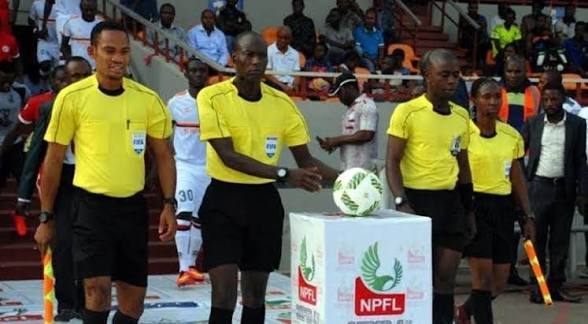
Across the NPFL and NNL, match officials are increasingly finding themselves at the centre of controversy. Supporters complain about inconsistent interpretation of fouls, suspicious penalty decisions, referees losing control of matches, poor positioning and lack of fitness and apparent bias toward home teams.
Football is a game of passion. Provocations as a result of all these things would always come with wild reactions of all sorts. A team prepares for a match, invests whatever it takes to motivate the players to win, but one minute of stupidity and madness from a referee undermines whatever has been done. That’s it, but the league organisers always find pleasure in banning teams and reeling out heavy fines. This is also an obsolete tactics that hasn’t yielded any positive response.
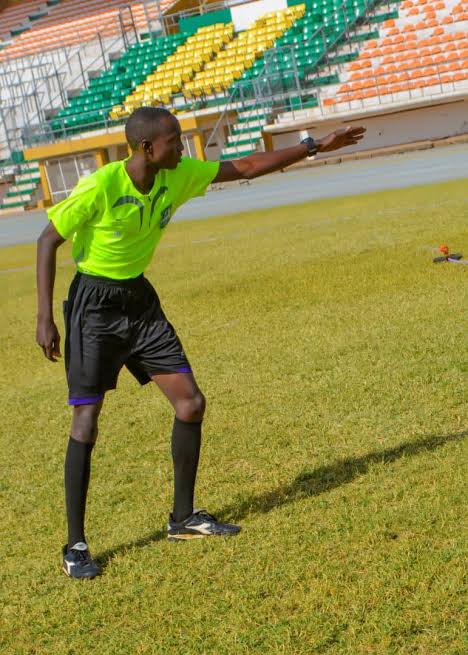
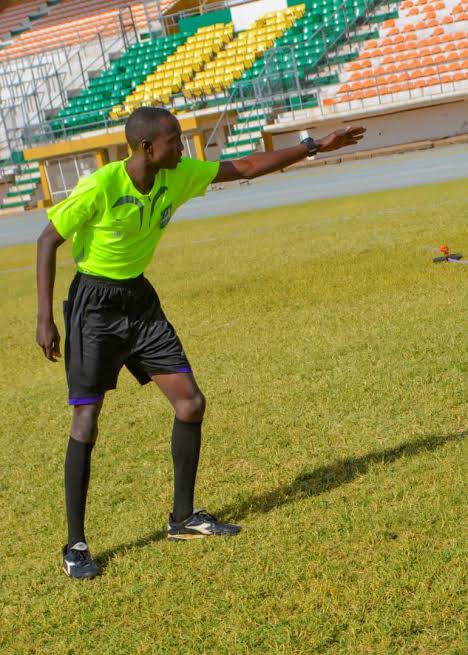
This growing awareness has created a dangerous new atmosphere inside Nigerian stadiums. Supporters now react instantly when they believe the referee has made an incorrect decision. The reaction is often loud, emotional and sometimes hostile.
While refereeing mistakes exist in every league in the world, the frequency and nature of controversial decisions in Nigeria often suggest deeper structural problems, inadequate training, poor remuneration, weak supervision, and in some cases, allegations of corruption.
When fans who have watched world-class officiating all week arrive at local stadiums and witness glaring errors, the contrast becomes impossible to ignore.
This gap between fan knowledge and officiating quality has become one of the biggest triggers of stadium unrest in Nigeria.
Supporters who believe they are witnessing blatant injustice are more likely to react emotionally. What begins as a protest can quickly escalate into crowd disturbances, attacks on officials, or abandonment of matches.
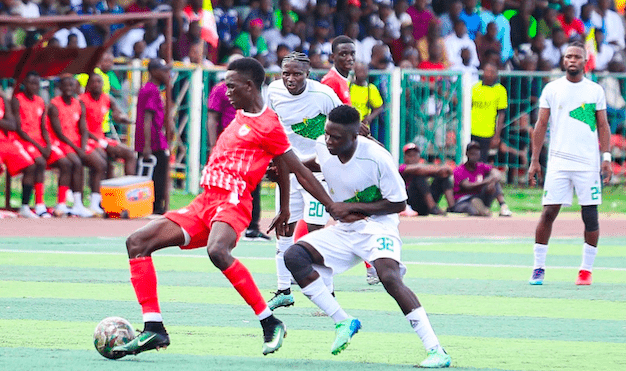
Ironically, many of these incidents are often blamed solely on fans, while the root cause, poor officiating, receives less serious attention.
Football thrives on credibility. Once supporters begin to believe that referees lack competence or integrity, the foundation of the competition becomes unstable. The Nigerian league has come a long way to continue to accommodate such a crisis of confidence.
Nigeria’s refereeing system still suffers from several long-standing weaknesses: poor training structures, limited financial motivation for referees, inadequate performance monitoring, weak disciplinary enforcement and lack of modern officiating technology.
In many cases, referees appear overwhelmed by the pace and tactical complexity of modern football, especially when compared to their counterparts in Europe.
This gap in competence becomes glaring when supporters, armed with knowledge from global broadcasts, recognise errors instantly.
The exposure of Nigerian fans to foreign leagues should not be seen as a threat to local football. Instead, it should serve as a powerful catalyst for reform. Improving refereeing standards is essential to restoring confidence in the domestic league.
This requires regular training aligned with global standards, proper welfare and payment for referees, transparent evaluation systems, severe sanctions for misconduct and gradual introduction of officiating technology.
If the Nigerian league hopes to grow commercially and competitively, credible officiating must be a top priority.
Modern Nigerian football fans are no longer ignorant of the rules of the game. Exposure to the best leagues in the world has sharpened their understanding and expectations.
And as that awareness grows, it is increasingly difficult for poorly trained, illiterate, hungry, ill-prepared, or compromised referees to hide behind outdated systems. The message from the terraces is becoming clearer every week: Football has evolved. Nigerian refereeing must evolve with it.
If the game must grow, the men with the whistle must grow with it.