

When Kwara United boarded the flight to Accra for their CAF Confederation Cup preliminary tie, they didn’t go alone. Behind the players, the technical team and a handful of travelling fans was a very visible demonstration of political will: the personal and financial backing of Kwara State Governor AbdulRahman AbdulRazaq.
His presence in Ghana, and the fact that the state covered the trip and media delegation, has quickly become the defining subplot of the Harmony Boys’ early continental adventure.
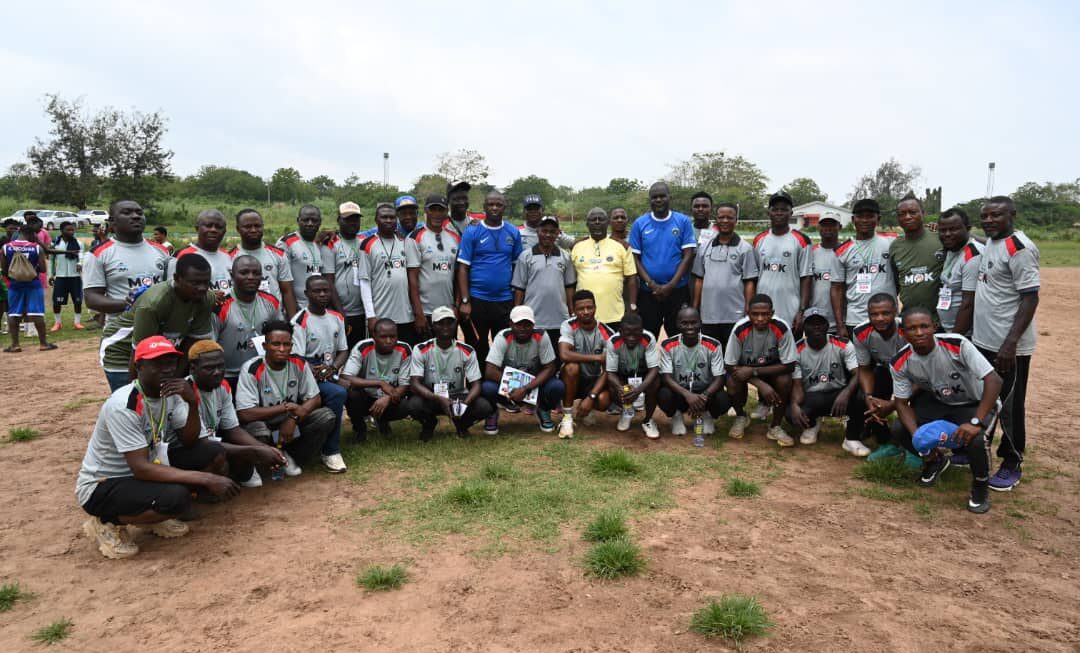
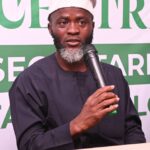
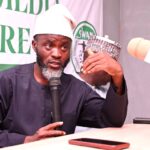
Leading the media delegation was the Sports Writers Association of Nigeria (SWAN), Kwara chapter, Ayodeji Ismail of Radio Kwara. Others are Bayour Issah (Sportspro News), Jimoh Bashir (The Herald Newspaper), Nicolas Uwerunonye (Daily Independent), Sodiq Adebara (Harmony FM), AbdulRosheed Okiki (Radio Kwara), Bolaji Yusuf (Kwara TV), AbdulRazaq Aiyelabegan (Just Event), Abdul Momoh (Photographer), Ridwan Lawal (Kwara United Graphics man), as well as Sobi FM’s Adebayo Abubakar, who joined from the sidelines.
Apart from ensuring adequate coverage of the event before, during and after, the team broadcast the match on Radio Kwara, with the initiator of that move, the General Manager of Radio Kwara, Alhaji Kayode Aremu, who himself, anchored the show at the Station’s Studio, brought the proceedings to the homes of Kwarans.
That visibility matters. In Accra last weekend Kwara United produced a seven-goal spectacle against Asante Kotoko, a 4–3 defeat that nonetheless underlined their capacity to trouble established continental names.
The match was breathless, close and proud; the Governor’s emotional support in the stands and his public praise for the team turned a narrow loss into a rallying moment for the squad and the state’s football project.
Kwara United’s appearance on the CAF stage this season is not an accident. Their route to Africa came via the domestic cup, a first-time Federation Cup triumph that opened the door to continental competition.
For a club with sporadic continental history, the reward is a high-stakes lesson in logistics, exposure and expectation. The state government’s posture, moving quickly to fund travel, support media coverage and place a senior official on the ground, acknowledges all three challenges.
Governor AbdulRazaq’s decision to travel to Ghana was not merely ceremonial. He ensured the squad and sports journalists had the resources to travel, be accommodated and to provide live coverage for fans back home, measures that turn a football fixture into a full-fledged public event.
That kind of support reduces off-field distractions for players and amplifies the club’s brand, which matters for sponsorship, recruitment and the morale of a squad learning continental rhythms.
For a Governor whose administration has emphasised youth development and state visibility, investing in Kwara United carries a twofold upside. On the footballing side, it signals to players, coaches and administrators that the state intends to protect and elevate its champions on the continental stage. On the soft-power side, it broadcasts Kwara’s image across West Africa: an active, sports-minded state willing to back its teams in international arenas. Those impressions can translate into tourism, partnerships and civic pride long after the whistle blows.
Lessons from previous campaigns, and why continuity matters
Kwara United’s current continental foray is being shaped by lessons from earlier Nigerian clubs’ campaigns: quick travel, appropriate scouting, media management and stadium readiness matter.
That is why the Governor’s insistence on funding and media coverage is savvy, it addresses problems that have undone less-prepared teams in the past. The pragmatic choice to secure a reliable venue for the return leg (eventually confirmed at MKO Abiola Stadium in Abeokuta rather than Ilorin) also shows lessons learned about infrastructure and crowd management.
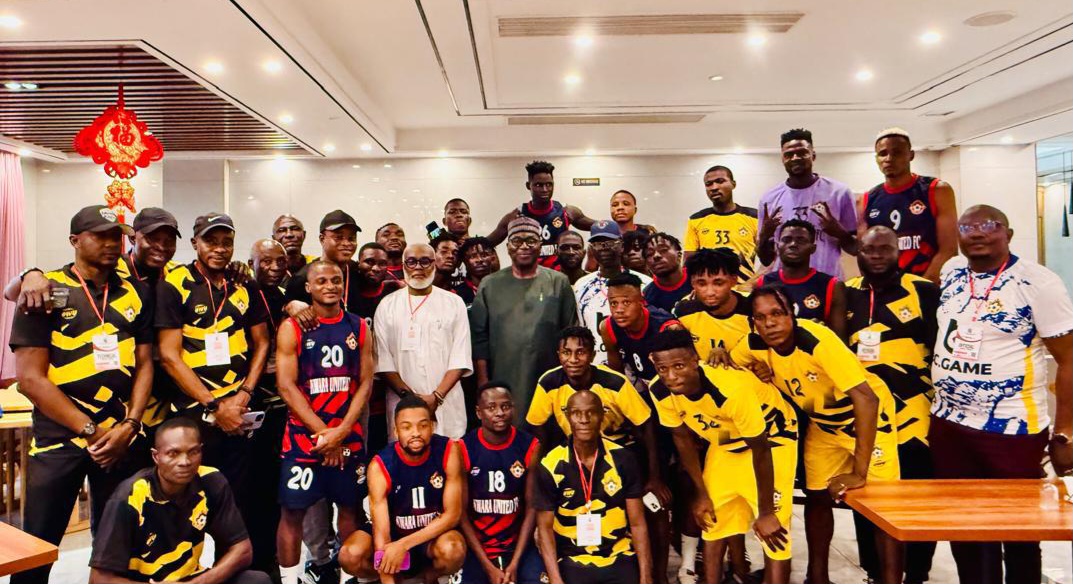
For the players, seeing a Governor in the stands and at their hotel after the match, sends a clear message that they are stakeholders in a broader project. For fans, their presence in Ghana and the arrangements for live coverage make it easier to follow the team and feel included.
For Kwara football, it raises expectations: the next step is building a sustained model that moves beyond episodic largesse to predictable, accountable investment in coaching, scouting and facilities. The Governor’s current approach can be the spark that ushers in that longer-term plan, if it’s followed up with institutional support.
Kwara United now return home with a close tie to settle and a state behind them. Whether they overturn the deficit in the return leg or not, the running story has shifted: Kwara is a stakeholder in West African club football and its Governor is prepared to be more than a distant Grand Patron.
That high-profile backing may not guarantee trophies, but it does buy the club something rarer in modern football: time to grow, credibility to attract partners, and the kind of public momentum that transforms a single cup win into a sustained footballing project.
If Governor AbdulRazaq’s trip achieves anything beyond headlines, it is a normalization of expectation, for the team, for the state and for the supporters, that Kwara United will be taken seriously on Africa’s club stage. The rest will depend on planning, follow-through and whether the state can convert this momentary surge of support into structural gains for football in Ilorin and beyond.
The result of Sunday’s match leaves Asante Kotoko with a slim advantage going into next Sunday’s decisive second leg at the MKO Abiola Stadium in Abeokuta, where Kwara United will look to overturn the deficit in front of their home crowd.
The aggregate winner will set up a mouth-watering clash with Moroccan heavyweights Wydad Athletic Club in the next round.