

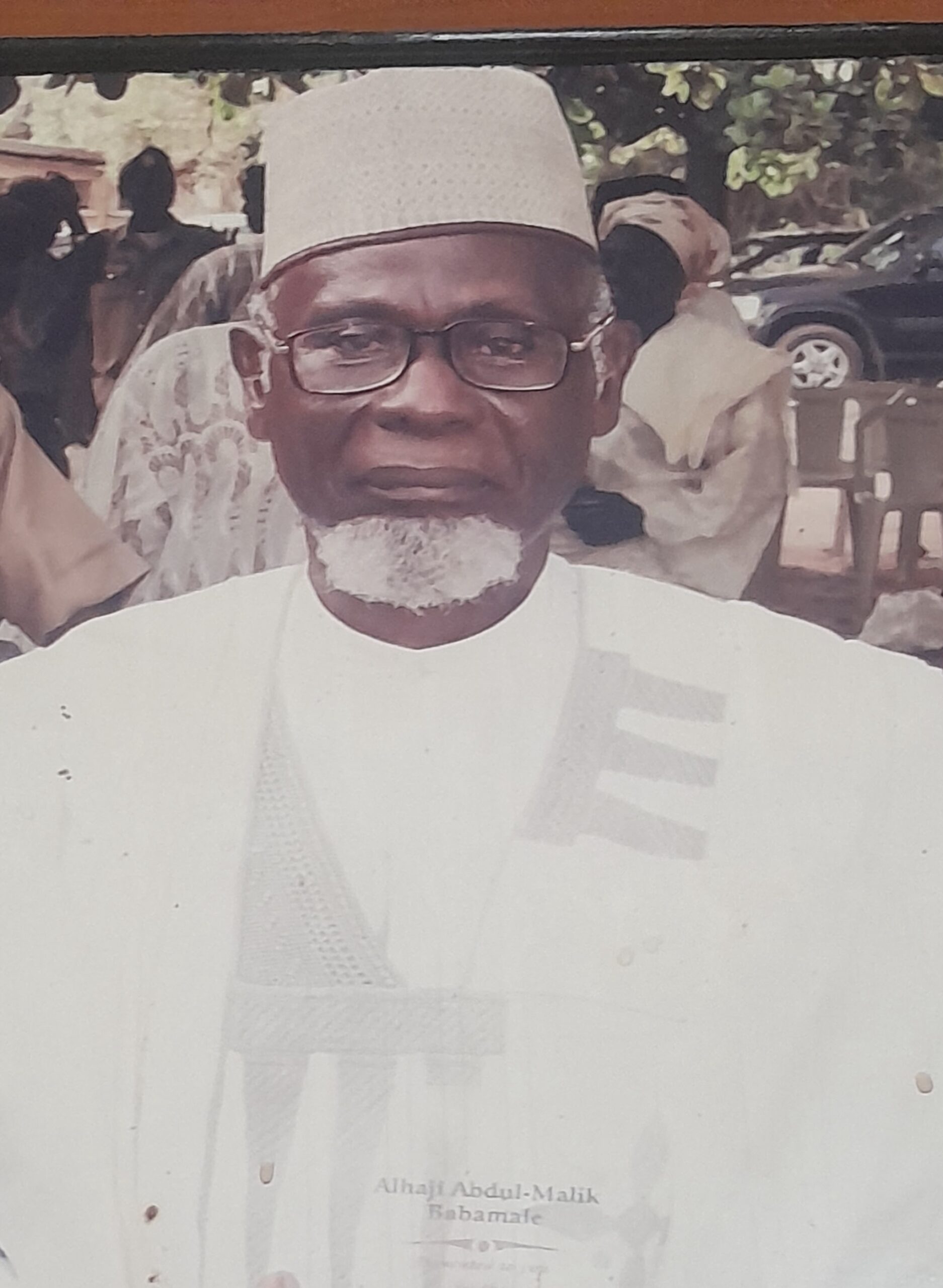
If there was an incident that Alhaji AbdulMalik Babamale could not forget so easily, it would be the unfortunate first military coup in Nigeria, which was led by the late Major Chukwuma Kaduna Nzeogwu, on January 15, 1966. What happened thereafter had a lasting impression on him and his career, as the tragic coup claimed the life of the first and only Premier of the Northern Region, Sir Ahmadu Bello.
The bloody coup also claimed the lives of several other political leaders.
Babamale was the legendary Captain of the Northern Nigerian football team, the Northern Lions. He was much more than a footballer to the Premier. He was a beloved Captain, a trusted sportsman, and a man who developed a close and warm relationship with the Sarduana. The relationship was rooted in something deeper than football.
Babamale, following the assassination of Sir Ahmadu Bello, ended his football career not only to pay a last respect to the the man of the people, but also, been unable to cope with the tragic loss of a man who had genuine devotion to the best interest of the people.
For Babamale, the killing of the Sardauna was not merely the death of a political leader. It was the loss of a man he had known closely, a leader who had invested in Northern football and whose support had helped give the game a place in the emerging sporting culture of the region.
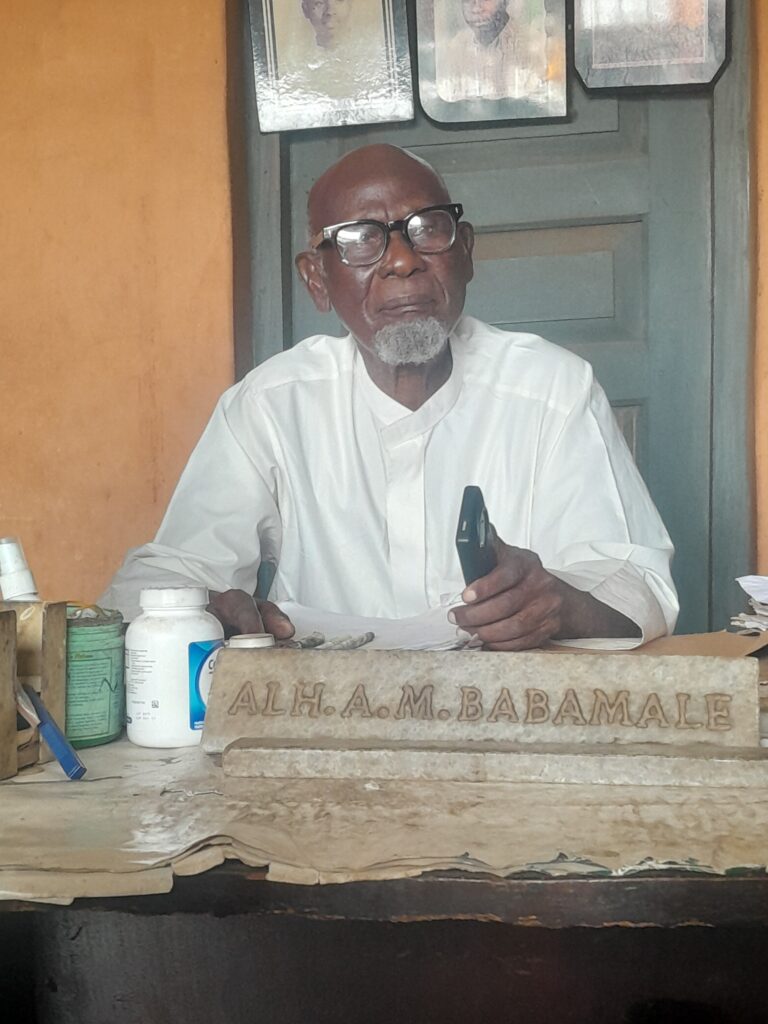
Before the tragedy changed the course of his life, Babamale, who is today the Magaji of Babamale Compound in Ilorin, had established himself as one of the most respected footballers of his generation.
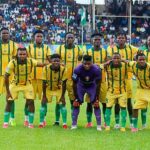
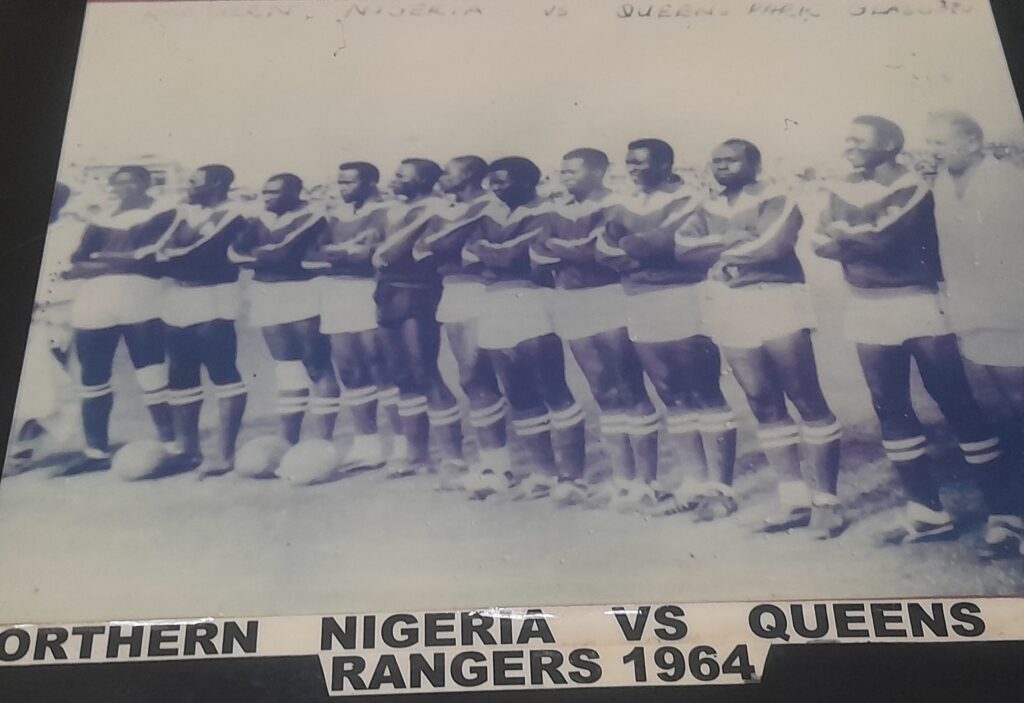
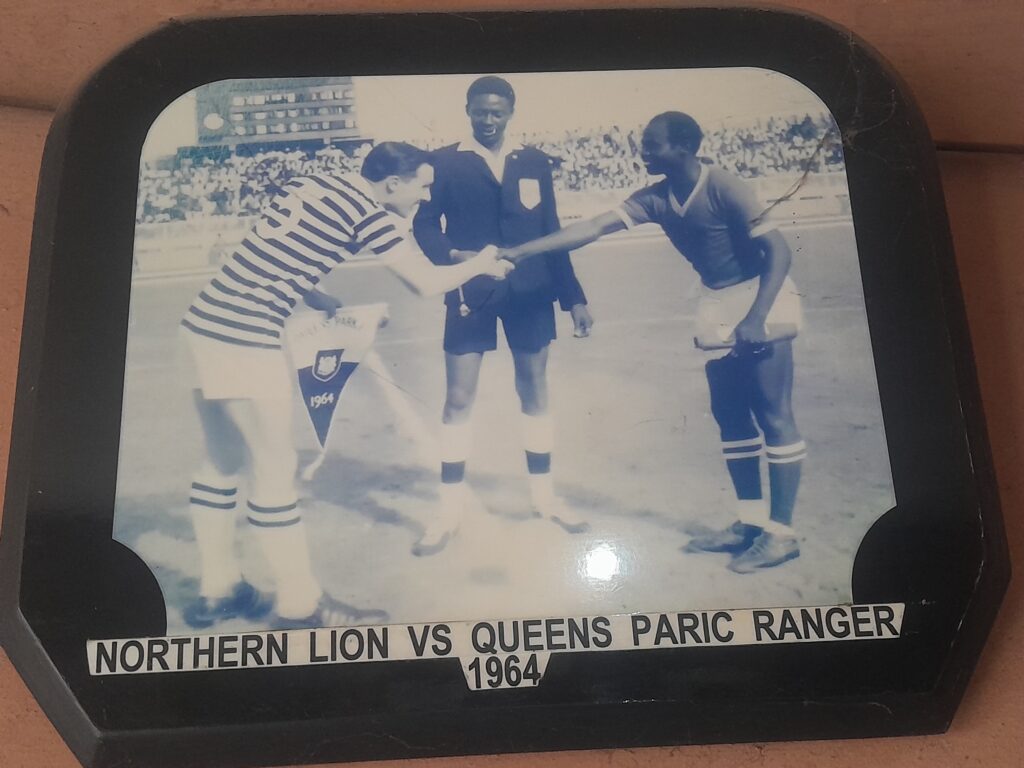
Babamale was the Captain of the Northern Lions that played against Queens Park Rangers of England, to mark the official opening of Ahmadu Bello Stadium, Kaduna, in 1964.
He was a skillful defender, leader on and off the pitch, and had developed a very close and warm relationship with the late Sarduana, who used to call him ‘Gajaren Captain’, (Short Captain), reflecting his physical stature.
“I started playing football at age five, in Onitsha. I played during my primary school days. My mother was a bean-cake (akara) seller in Onitsha. One faithful day, she sent me to go and grind the beans for baking the cake. I met my mates playing football and eventually used the container as a goalpost on the street. I don’t know when my mother came and took the beans to go and grind it herself.
“My mother was a disciplinarian. I knew instantly that I wasn’t going to eat dinner that night. I had the talents, and my parents didn’t stop me. Though, she was worried. I also run for my school, apart from playing football.
“When at the Central School, I usually run 100m, 200m, and relay races. My mother left me alone because, anytime I go to the market with her after school hours, the Igbo traders, who always call me “Moriki” because they couldn’t pronounce my name, “Malik,” well, will cut and dash me yards of cloth and other gifts at the Onitsha Central Market.
“During the Empire Day celebration, I often win numerous prizes from athletics meets, and my mates will follow and carry me home. That was when she relaxed.
Babamale was born in 1934 in the commercial city of Onitsha, Anambra State, in South Eastern Nigeria. His father, the late Alfa Salaudeen Babamale, was an Islamic cleric and a cap-making expert, while the mother, Madam Ummul Falali, was a bean-cake (Akara) seller, who took the trade to Onitsha.
Popularly being referred to among his inner caucus of friends as Babs, Babamale attended the CMS Central School, Onitsha, between 1946 and 1953. He entered the Washington Memorial Grammar School, also in Onitsha, in 1954.
One of his classmates was the late Nigerian international footballer and coach, Sebastian Broderick, who led Nigeria to victory in the inaugural U17 FIFA World Cup in China. Broderick later coached Kwara United Football Club.
Babamale finished his Cambridge examination in December 1958 and, thereafter, moved to Lagos to begin work in January 1959.
He eventually returned to the North, and that historic move was facilitated by Alhaji Sa’adu Alanamu, the then Recruitment Officer of the Northern Nigeria Civil Service (he was subsequently Agent-General of the Northern Region in London, the Balogun Alanamu, and Waziri of Ilorin), and the late Hon. Justice Mustapha Akanbi.
Late Justice Mustapha Akanbi had studied in Ghana and was returning to take up a job in the North, in Kaduna, and when they met with Alhaji Babamale in Lagos, they encouraged him to also come to Kaduna in 1959.
He was issued a letter of appointment on the first day to work at the Ministry of Finance. After a few months in the Ministry of Finance, Alhaji Babamale met the Northern Accountant-General, a Lagosian, Mr. B. B. Campos, and complained that he wasn’t enjoying the work at the Ministry of Finance. And that was when he was taken to the Ministry of Agriculture as the Produce Inspector.
All the while, Babamale was still playing football. When in Lagos, he played for the Post and Telegraphs (P&T) team, and EMANDEX. The team was then playing at the King George V Stadium, now renamed Mobolaji Johnson Arena. And when he moved to the North, he played for the Electricity Corporation of Nigeria (ECN) team in Kaduna. He also played football for some youth club and, later, the Northern Lions.
Babamale benefited from the late Sardauna’s love for sports, especially football, and the Sardauna’s search for success in sports for the North. That, obviously, cemented the relationship between the duo.
According to him, ‘The shock of the Premier’s assassination was too much for me to contain. I stopped playing football when he was murdered. I retired because of the love I had for the late Sir Ahmadu Bello.
He recalled a day when, after one of the matches played by the team, the Premier invited him to his house, and gifted him a complete agbada, in appreciation of his sacrifice. That was one of his many visits to the house of the late Sarduana of Sokoto. He was very much a central part of the history of football in Northern Nigeria.
“My sojourn in Kaduna was very fruitful. In 1964, when Ahmadu Bello Stadium was to be commissioned, I was the Captain of the Northern Lions.
As a Produce Inspector, he was transferred to Zaria in 1960, where he also played for and became the captain of the Zaria Rangers Football Club. The team later teamed up with their rivals, Zaria United, to form Zaria Eleven, and Babamale became the Captain. Zaria Eleven then, won the Northern Governor’s Cup in 1961, 1962, and 1963. He was Captain of Zaria Eleven for about seven years, between 1960 and 1967.
The Northern Lions team back then was being coached by John Deshi, with late Coach Usman Adenuja as one of his Assistants. Coach Adenuja was later transferred to Kwara State after the creation of states in 1967 and was responsible for Kwara Academicals, which produced generations of schoolboys, some of whom played for the national Academicals.
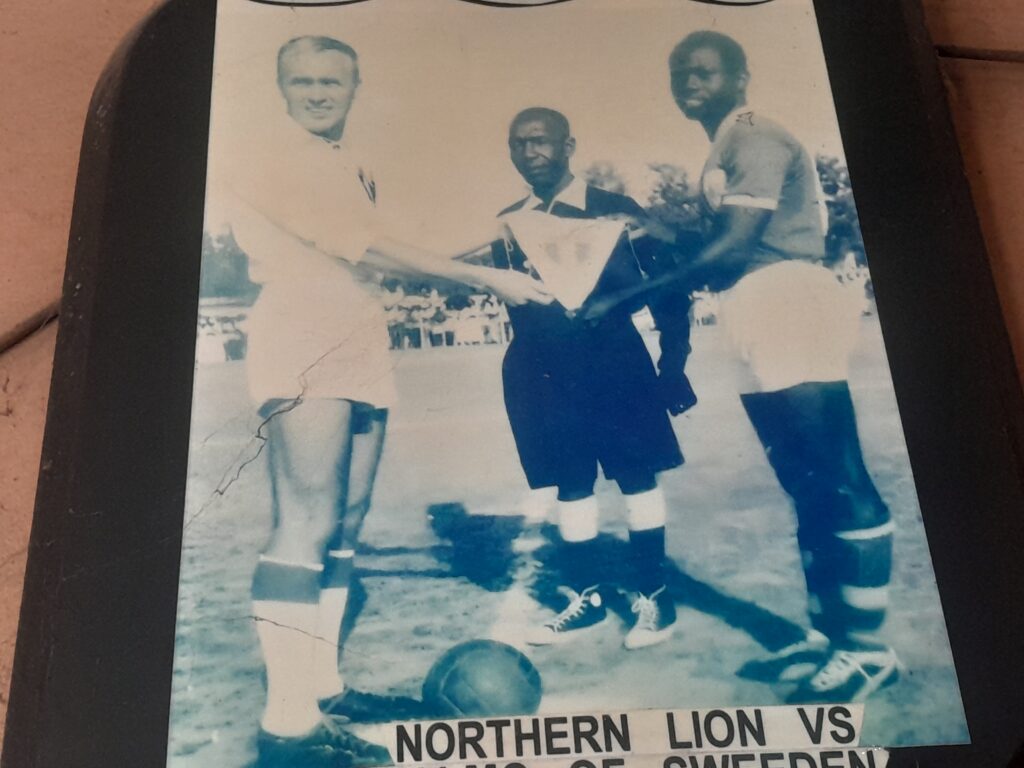
The Northern Lions eventually had a Hungarian coach, Gustav Hudas. After the official opening of the Ahmadu Bello Stadium, the team also played other international friendly matches against a Russian team and Malmö FC of Sweden at the same stadium.
Then, the late Sarduana requested a process of bringing in more Northern youth into sports, and football in particular. There was then a sufficient pool of Northerners in sports, who were then recruited to play sports. That led to the formation of the Northern Sports Association.
After the 1966 coup, and the creation of states in 1967, and the North was split into six, Babamale was deployed to the newly created Kano state, where he worked from 1967 to 1977. He was later transferred to his state, Kwara State, where he retired as the Chief Produce Officer in 1993.
Despite the success of his footballing career, Babamale focused on his career as a Produce Inspector. He was recommended, and eventually trained in produce and pest control in London in 1966.
Back home in Ilorin, he was appointed as a member of the Kwara State Football Association and, in 1978, was appointed the team manager of the Kwara State Water Corporation Football Club, which qualified for the national league in Abeokuta, Ogun State.
“My return to Kwara State was historic. When the first set of states were created in 1967, I was transfered to Kano state, following a special request from the Chief Produce Officer of the Northern Nigeria then.
“I was, in 1977, transferred from Kano to Kwara, also on request. When in Kano, I was among those that managed the groundnut pyramid. I got to Kwara 10 years after the creation of the state.
“One day, after my resumption in Kwara, I was traveling to Kaduna for the Chief Produce Officers’ meeting, and on getting to Jebba, someone waved down our vehicle. It was the former Director of Sports, J. D. Agbógun. He was also heading to Kaduna, and his car broke down. He waved us down because of the Kwara State number plate on the vehicle. We lifted him to Kaduna State.
“It was in the vehicle, during the journey, that we introduced ourselves, and when I told him my name, he asked if I was the brother of the former Captain of Northern Lions. I told him I was indeed, the same Babamale, the Captain of the Northern Lions. He was surprised.
“When I got back to Kwara from the journey, Coach Usman Adenuja brought him to my house in Pakata. It was from there, that my interest in Kwara football began. I was then appointed as the Team Manager of Kwara State Water Corporation Football Club, and I led the team to qualify for the national league, in Abeokuta.
“That team was more or less the foundation of today’s Kwara United Football Club. And that was why I am always passionate about Kwara United. It’s my team, because I was part of its roots. Last season, I nearly collapsed when it was on the verge of being relegated to the lower division.
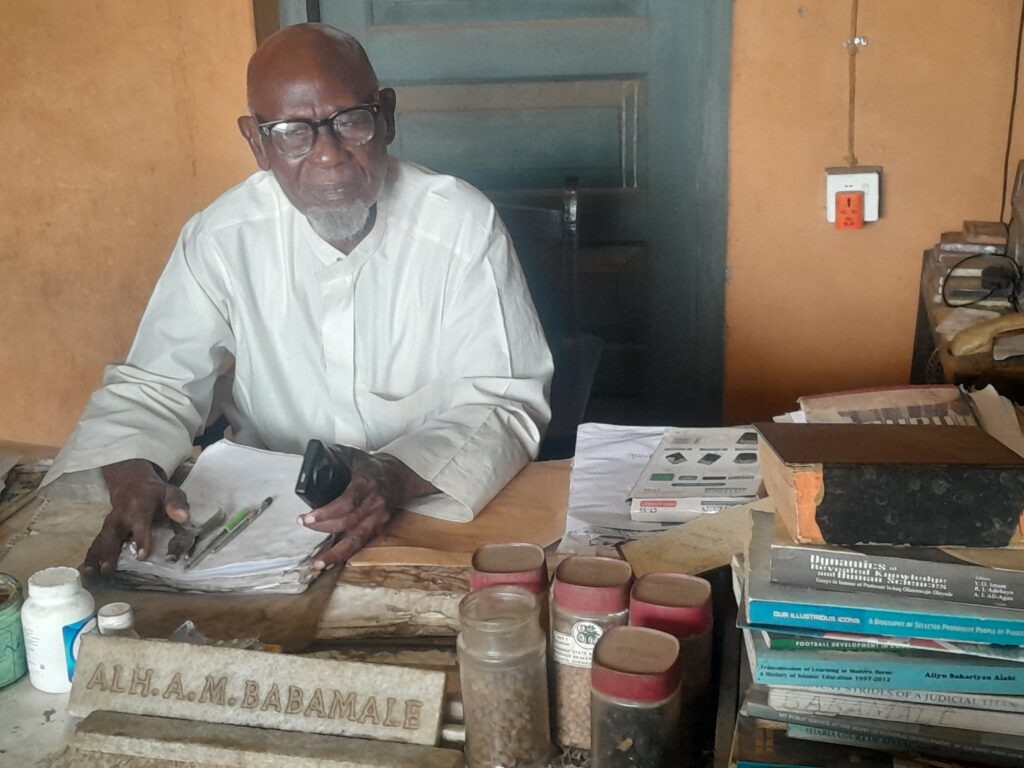
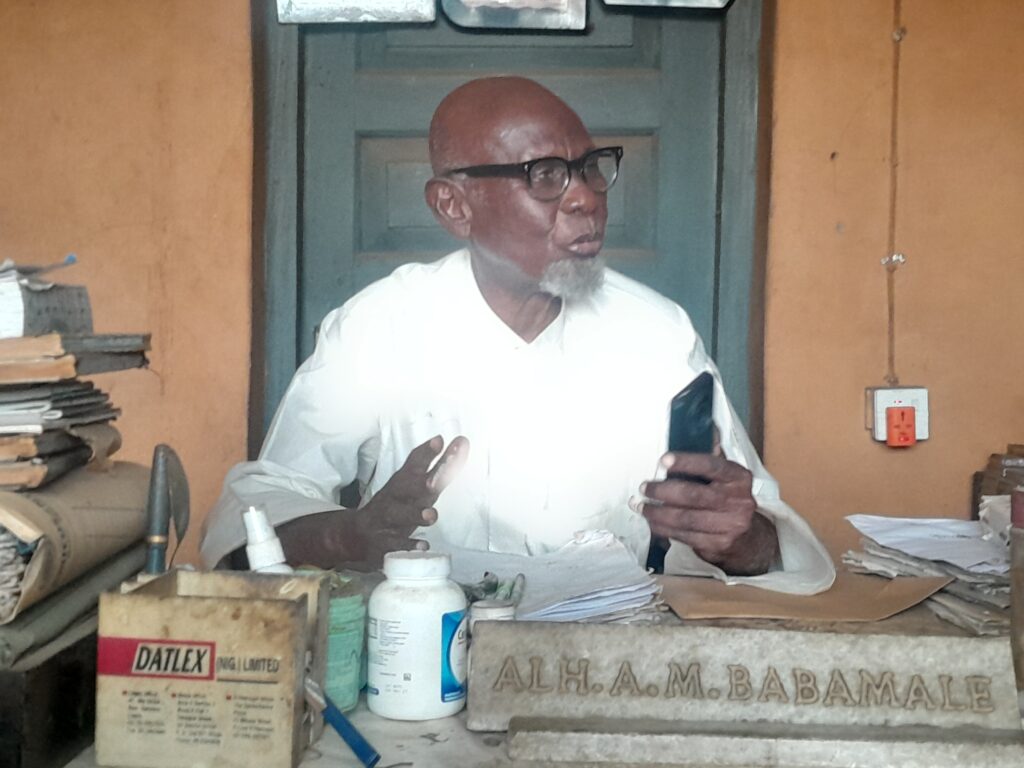
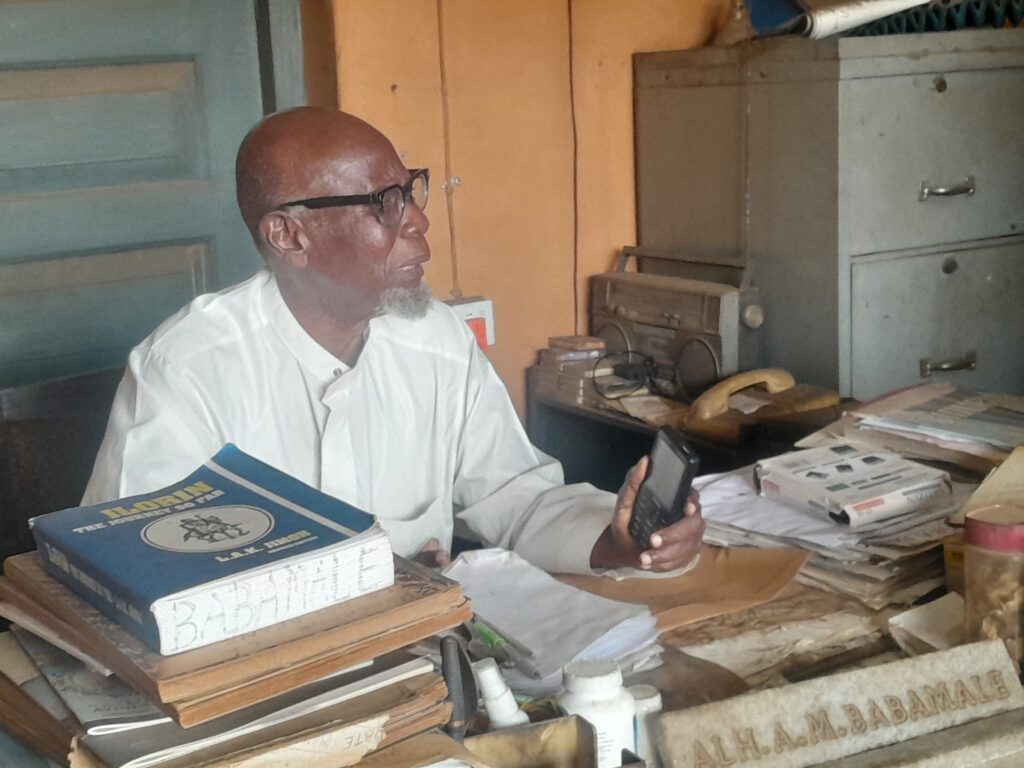
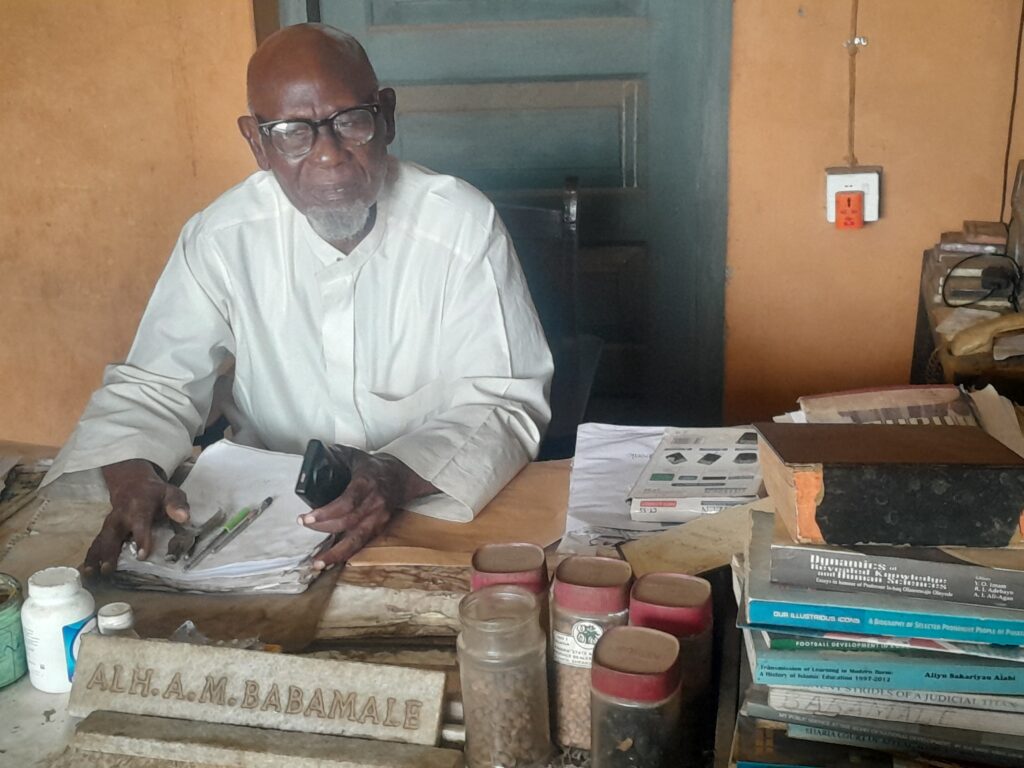
Today, at 92, AbdulMalik Babamale remains a living archive of an era of Nigerian football that has largely disappeared. He is believed to be among the few surviving members of the historic Northern Lions side that faced Queens Park Rangers in 1964.
He readily remembers some of his teammates: John Bull, Bayo Giwa of Offa, Christopher Udemezue, Segun Olumodeji, Inuwa Lawal Rigogo, Austin Papingo, Salawu Gidado, the Ilorin-born goalkeeper of Zaria Eleven nicknamed “Flying Cat”, and Sam Garba Okoye. His recollections are remarkably vivid.
At 92, he speaks with the clarity and enthusiasm of a man still connected to the football pitch of his youth.
His life reflects the journey of a pioneer who was born away from his ancestral home, grew up in the commercially vibrant city of Onitsha, discovered football there, and later found a platform to flourish and flower in Northern Nigeria. Onitsha gave him his early education and sporting foundation. Northern Nigeria gave him the opportunity to become a household name.
And the Sardauna gave him, through his support for sports, an enduring connection to the history of football in the region.
Perhaps the most revealing aspect of Babamale’s philosophy is the way he approached the sporting ambitions of his own children. Although he wanted his children to experience football, he insisted that education must come first.
“I would have wanted one of my sons to play the game, but it must all go with seriousness with their studies,” he said.
Before the 1996 Olympic Games, his son, Tunde, received an invitation in connection with the preparations for the Nigerian team. Babamale, however, chose to hide the invitation letter so that his son would concentrate on his studies. The decision did not please the late Justice Mustapha Akanbi. But Babamale stood by his choice.
“To me, his education was much more important.”
It was a philosophy that perhaps explains another dimension of the life of the man once known across Northern Nigeria as the “Short Captain”.
Football gave him fame. The Sardauna gave him a relationship he would never forget. The civil service gave him a profession. But education, discipline and responsibility, in his view, were the foundations upon which everything else had to stand.
And so, more than six decades after the death of Sir Ahmadu Bello ended his playing career, Babamale remains a bridge between two eras, a witness to the rise of Northern Nigerian football, a participant in its formative years, and one of the few men still alive who can tell the story from inside the dressing room. His is not merely the story of a footballer.
It is the story of a generation, a region and a sporting culture that helped shape the history of Nigerian football.