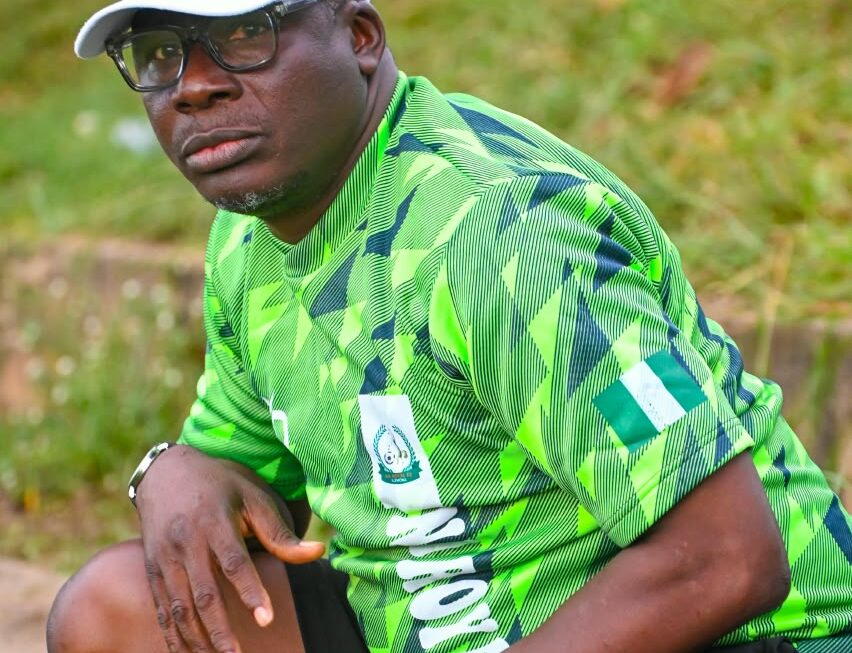




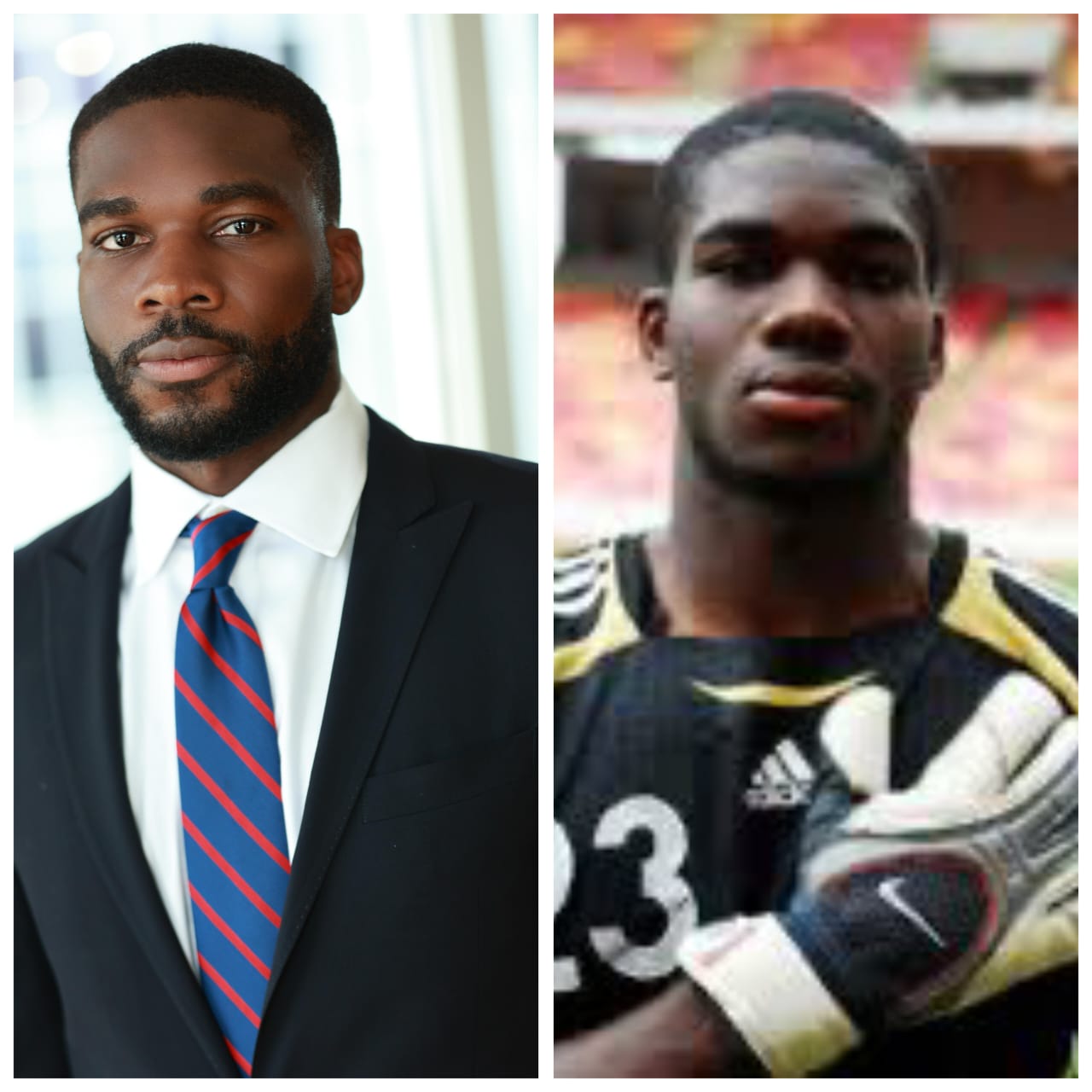
Former Nigerian international footballer, Dejo Olateru-Olagbegi has called for fundamental reforms in the administration and development of Nigerian football, insisting that the country’s biggest challenge is not a shortage of talent but the failure to provide the structures and resources required to harness the talents.
Olateru-Olagbegi, who grew up between Lagos and Canada and later played football in France before returning to Nigeria to feature for the national U-20 side, the Flying Eagles, under former Super Eagles coach, Samson Siasia. He spoke against the backdrop of Nigeria’s recent failure to qualify for the FIFA World Cup.
Having experienced football in different parts of the world and now based in the United States, he believes Nigeria can compete with the best if it gets its football administration, infrastructure, coaching and grassroots development systems right.
In this exclusive interview, Olateru-Olagbegi also discusses his playing career, life after football, the importance of financial planning for professional players, the lessons Nigeria can learn from the United States, and why former footballers must acquire the necessary education before taking up coaching or administrative positions.
“Talent is not our problem”, he said.
Q: For the benefit of our readers, can you introduce yourself and tell us about your background?
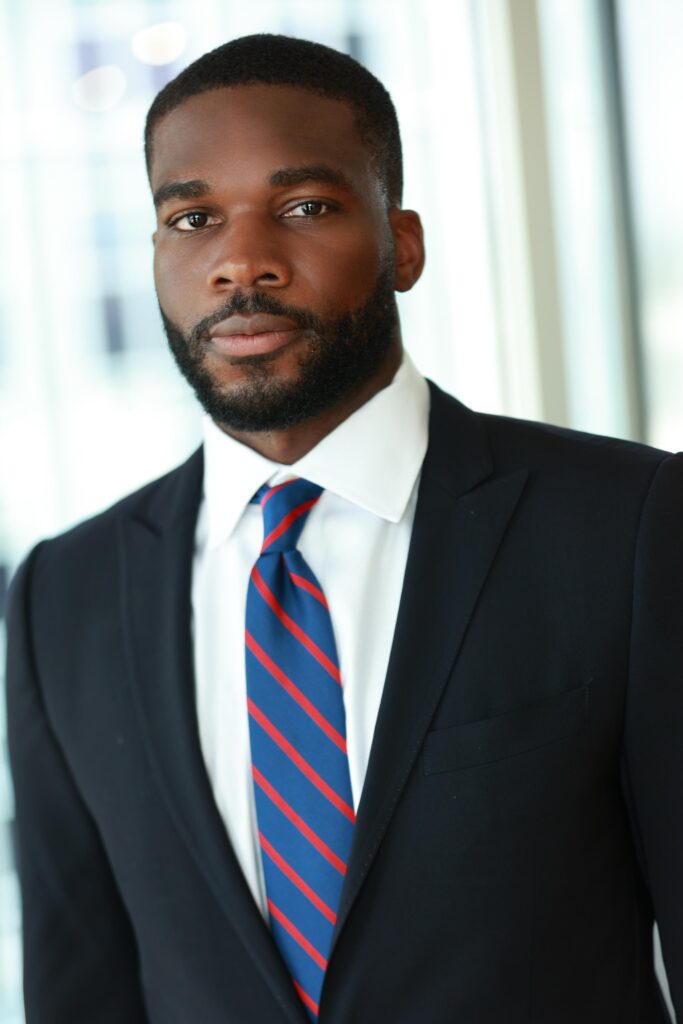
My name is Dejo Olateru-Olagbegi. I am a former Nigerian international footballer currently based in the United States.
I grew up between Lagos and Canada. My family is from Ondo State. I left Lagos for Canada with my family when I was eight years old, although I continued to return to Nigeria quite often.
Growing up between Nigeria and Canada gave me a broad perspective on life, sports and culture, and that experience eventually became an important part of my football journey.
Q: How did your interest in sports develop, and how did that eventually lead you to the Nigerian national team?
I have always been very active. Like most children, I spent a lot of time playing football and running around. When I moved to Canada, however, I began to take sports much more seriously.
I grew up swimming and playing football, basketball, American football and tennis, which was very much my family sport. As I entered my teenage years, I gradually focused more on football and American football.
Eventually, my passion for football took me from Canada to France, where I pursued the game more seriously. I later returned to Nigeria around 2008/2009 and became part of the U-20 national team, the Flying Eagles, under Coach Samson Siasia.
Q: Looking back, how would you describe your football career, and what lessons would you pass on to today’s grassroots players?
Although I did not go as far in football as I would have liked, largely because of various injuries, I would not trade the experience for anything.
Football gave me the opportunity to travel the world and meet some of the most incredible people. The camaraderie that comes from being part of a team and the discipline involved in pursuing excellence as an athlete also translate into real life.
For grassroots players, it is no longer enough simply to work hard. Today’s players have access to so many resources. Through social media and platforms such as YouTube, they can watch training sessions and learn from players and coaches around the world.
They have to take ownership of their careers and, most importantly, develop a very strong mentality because there will be many ups and downs.
The reality is that football requires hard work, talent and preparation, but sometimes you also need a bit of luck.
“Nigeria has some of the best football talent in the world, but we have not been able to put everything together consistently.”»
“I never regretted being a footballer”
Q: Was there ever a point when you regretted choosing football as a career?
No, I never regretted it.
Football allowed me to travel the world and meet some of the most incredible people on the planet. The experiences and relationships I gained through the game are things I will always value.
Q: What advice would you give professional footballers about preparing for life after retirement?
Players today have access to far more information and financial tools than previous generations. They have also heard many stories about former players who struggled financially after retirement.
My advice is to start preparing for retirement while you are still playing. Players should consider investing in assets such as real estate, stocks and other legitimate financial instruments.
Of course, it is okay to enjoy the fruits of your labour and buy nice cars or houses, but you also need to think about what you want your life to look like 10, 20 or 30 years after football.
Your playing career is relatively short, so you have to plan for the much longer period that comes after it.
Q: Nigeria failed to qualify for the last FIFA World Cup despite having some of the most talented players in the world. What, in your view, went wrong?
Nigeria has some of the best football talent in the world, but we have not been able to put everything together.
We cannot put the failure entirely on the players. Preparation has to improve, while the football administration must do a better job of providing the players with the tools and environment they need to succeed.
Talent is not our problem. How we develop, prepare, organise and support that talent is the bigger issue.
Q: What practical measures should Nigeria put in place now to ensure the Super Eagles qualify for the next World Cup?
The Nigeria Football Federation (NFF) needs to communicate clearly with the players about how it intends to support them with the necessary resources and tools.
Even seemingly simple things matter. For example, travel arrangements should be properly planned so that players arrive well ahead of matches and have enough time to rest and recover.
Off the pitch, we need to make sure the players are comfortable, properly rested and able to focus on their performances.
Nigeria must also invest in infrastructure, including improved training facilities and modern sports recovery and rehabilitation equipment.
These things can significantly improve the team’s chances of success.
Again, we have the talent. We need to create the right environment for that talent to perform.
Q: Having experienced the World Cup environment in the United States, what impressed you most about the organisation, infrastructure, security and facilities?
The reality is that few places organise major sporting events like the United States and North America generally.
The stadiums are world-class, while security, logistics and planning are carefully thought through. Very little is left to chance.
From transportation and security to media operations and stadium management, there is a high level of coordination.
That level of preparation is one of the things Nigeria can learn from.
Q: How different is football in the United States from football in Nigeria, and what can Nigeria learn from the American system?
The difference is largely in infrastructure, organisation and access to quality coaching resources.
Nigeria arguably has more raw talent, but we do not always provide that talent with the tools required to develop into world-class players.
We can absolutely get there, but we need to improve the quality of coaching. Better coaches produce better-developed players.
We also need to embrace data and technology in player development. In Europe and the United States, data is increasingly used to monitor players, measure progress and identify areas that need improvement.
Nigeria needs to adopt similar systems.
We have the talent. We need to create the right environment for the talents to perform.
Q: What role should former footballers and ex-internationals play in developing grassroots football in Nigeria?
Ex-footballers should absolutely be involved in grassroots development, whether through coaching, mentorship, administration or technical development.
However, we should not automatically give someone a role simply because they were a former footballer.
Being a good player does not necessarily make someone a good coach, administrator or technical director.
Former players should receive the necessary education and professional training, just as people do in other careers.
With the right education and experience, they can make a tremendous contribution to developing young players and implementing the systems needed to produce top-level footballers.
Q: Would you be willing to work with Nigerian football academies or grassroots organisations to mentor young players?
Absolutely. There are already young players I mentor, particularly in areas involving mentality, decision-making and how to respond when faced with difficult circumstances.
Ideally, I would like to connect international coaches or teams with local academies and help them implement technical training programmes designed to develop young players.
That kind of partnership can expose young Nigerian players to international standards while allowing them to develop within a structured local environment.
Q: What advice would you give young Nigerians who dream of becoming professional footballers?
They must work hard, but they also need to understand that their competition is not limited to Nigeria.
They are competing against players who have grown up in structured youth academies with access to quality coaching, facilities, sports science and other support systems.
In some respects, Nigerian players may already be a step behind because of the environment in which they develop.
That means they have to work even harder and strive to be exceptional if they want to make it to Europe or other top football markets.
The good thing is that today’s players have access to tools such as YouTube and other digital platforms. They can watch how the best players train, study their habits and learn from them.
The resources are available. Players need to take advantage of them.
Q: If you had the opportunity to advise the Nigeria Football Federation or the government, what three major reforms would you recommend?
My first recommendation would be to build world-class training infrastructure.
Second, we need to take greater responsibility for grassroots development by establishing a national technical development curriculum that grassroots academies can follow.
This is how countries such as Spain and France have developed their football systems. The federation establishes a clear technical framework, academies follow it, and coaches are trained to implement it properly.
That creates a defined pathway for developing elite players.
Third, we need to get the leadership and administration of Nigerian football right.
If we have the right leadership, the other reforms can be properly implemented and sustained. It always starts from the top.
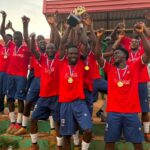
With my academy, C2E Sports, I believe we are building the kind of technical development I would like to see around Nigerian football, especially with equipping our coaches with the right tools. Getting them educated and certified to coach our players and develop them into the next set of Nigerian stars. This is evidenced by two of the girls on the U-20 national team coming out of our academy and the recent NWFL Nationwide competition, where we won and were promoted to the Championship.
Q: Finally, what is your message to Nigerian football fans, coaches and administrators who want to see the country return to the World Cup stage?
We need to get the best people, who are fit to lead the football federation, into positions where they can make the right decisions and create the right systems.
I believe Nigerian football can progress significantly because the talent is already there. But it always starts from the top.
If we get the leadership, structure and development systems right, I believe Nigeria can once again become a consistent force on the world football stage.
They should meet but at the end of the day, the right people need to be in the room to make the right decisions. It all starts with the right people being in the place, once that happens then they can reform the coaching curriculums and standardize how many academies we have in Nigeria.
Everyone needs to be going in one direction in terms of the coaching education and player development. We need to collect more data to improve player development, that’s one of the ways we can catch up to the Europeans.