







For more than two decades, a partnership between the Youth Sports Federation of Nigeria (YSFON) and the Nigerian Navy has quietly but consistently contributed to one of the most important tasks in Nigerian football, discovering, nurturing and providing a platform for the next generation of football talents.
What began as a partnership around youth football has grown into two significant competitions: the Chief of Naval Staff (CNS) Cup for U-14 boys and the Naval Officers Wives’ Association (NOWA) Cup for U-17 girls.
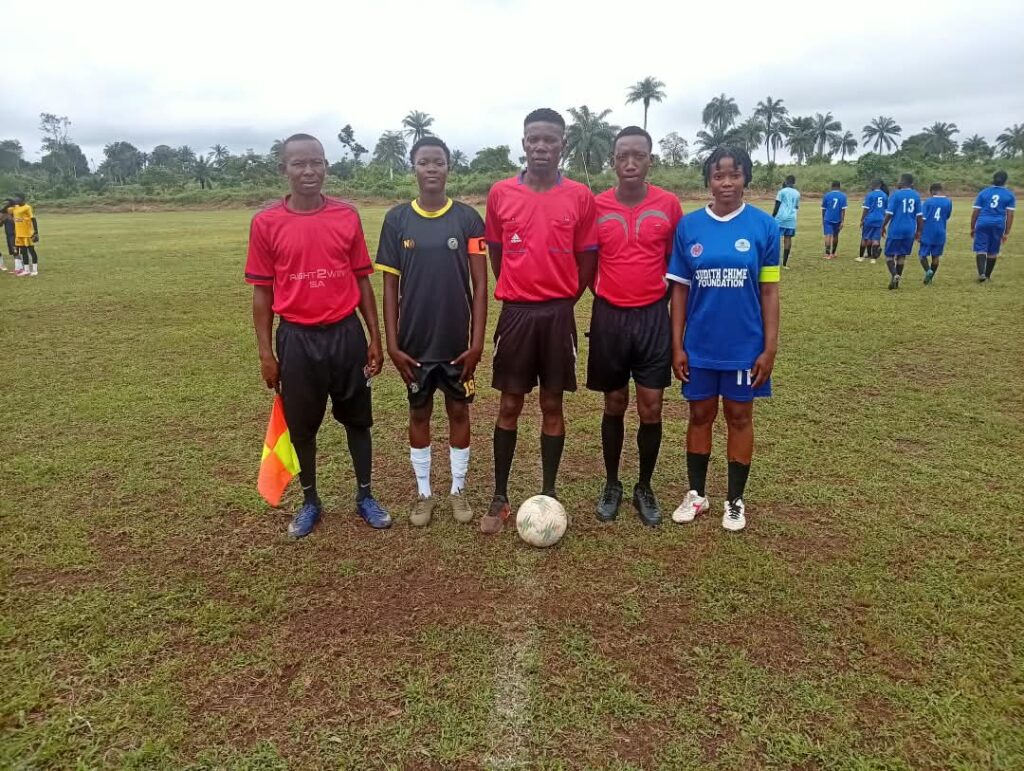
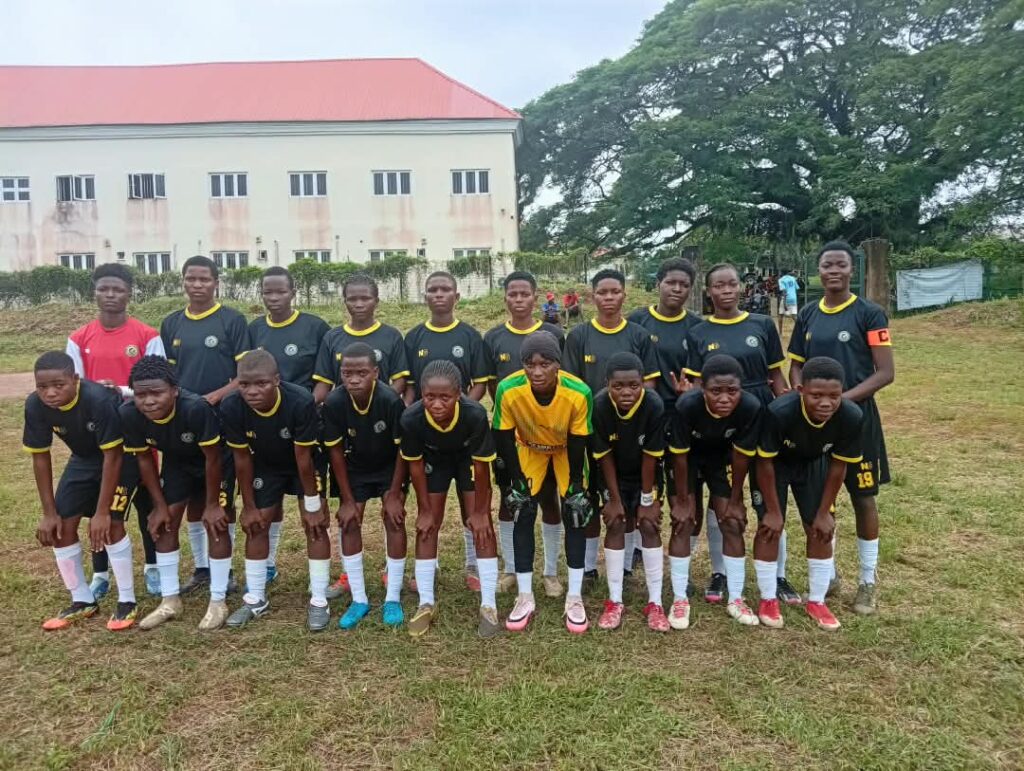
As the 22nd CNS U-14 Boys Cup and 14th NOWA U-17 Girls Cup take centre stage in Umuahia, Abia State, the partnership is being rekindled with renewed energy and a familiar objective: using football to discover talent, build character and create pathways for young Nigerians.
The story of YSFON is inseparable from the history of organised grassroots sports development in Nigeria.
Established with a strong emphasis on youth participation and development, YSFON has over the years provided structured competitions through which young Nigerians can experience competitive sport at an early age.
Football, naturally, has remained at the heart of that mission.
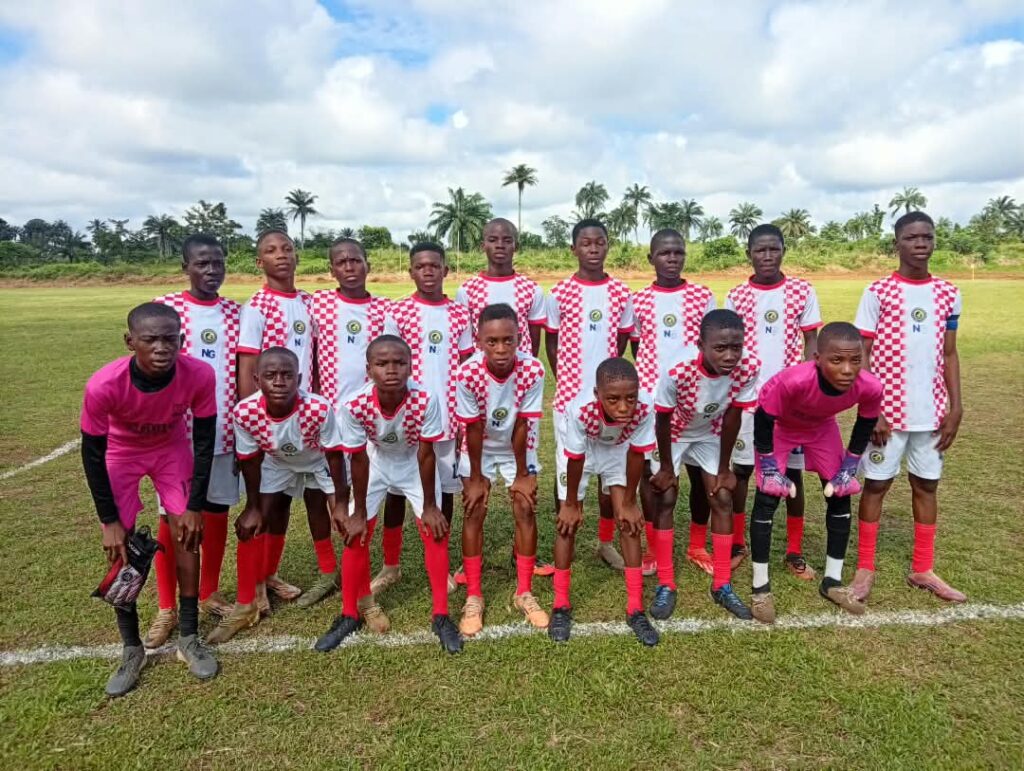
At a time when many talented youngsters had few opportunities to play organised competitive football, YSFON competitions created platforms where ability could be identified beyond the traditional football academies and established clubs.
The philosophy was straightforward, which was to find the talent early, expose the talent to competitions, nurture the talent and give the talent a pathway to the top. That philosophy has remained relevant.
The organisation’s competitions have traversed different parts of the country, bringing young footballers together while also creating opportunities for coaches, scouts, administrators and football stakeholders to identify emerging talents.
It was within this broader commitment to youth development that YSFON’s partnership with the Nigerian Navy assumed special significance.
The Nigerian Navy has traditionally been associated with national security, discipline and service to the nation. Its involvement in youth football added another dimension to that national responsibility.
Through its partnership with YSFON, the Navy provided institutional backing for competitions specifically targeted at young footballers. The result was the emergence and consolidation of the Chief of Naval Staff Cup, a competition designed for boys at the U-14 level.
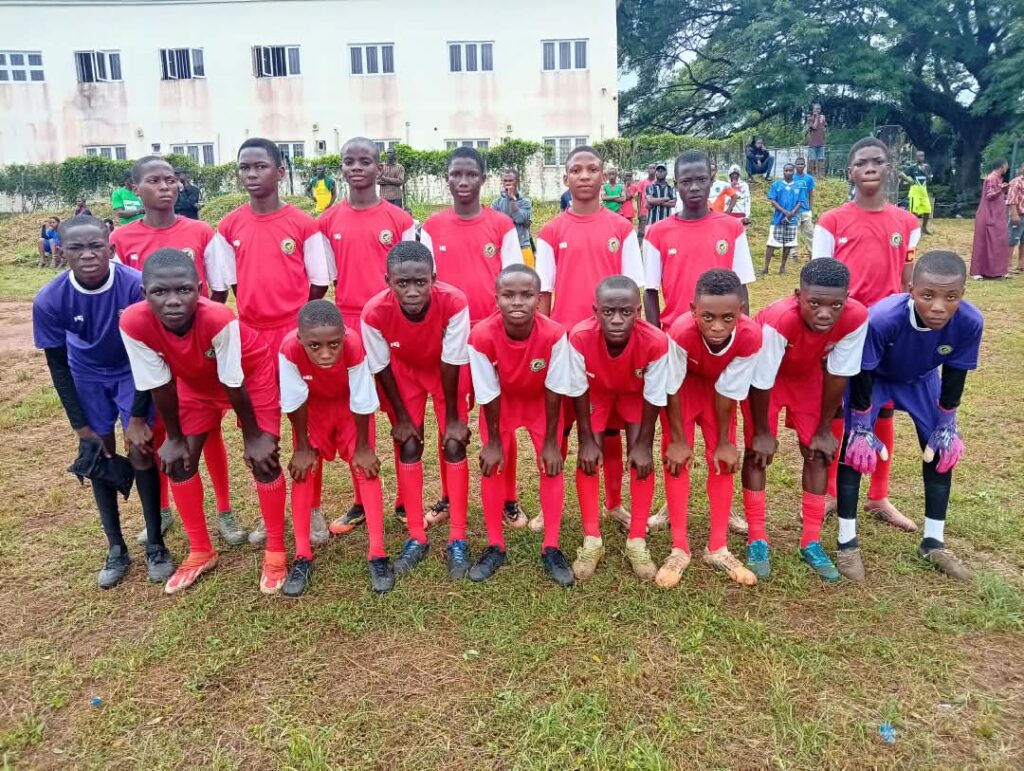
The initiative subsequently expanded into the women’s game through the Naval Officers’ Wives’ Association Cup, targeted at U-17 girls.
Together, the two competitions have created an important bridge between grassroots football and elite football development. The significance goes beyond the trophies.
For a young player, particularly one from a less privileged background or an area without a well-established football academy, participation in a national youth competition can be transformative. It offers visibility, and it provides competitive experience.
It also creates an opportunity to be assessed by coaches and football administrators, and perhaps, most importantly, it provides hope.
The strongest evidence of the impact of the CNS and NOWA Cups can be found in the players who have passed through them. The Nigerian Navy itself has highlighted two notable examples, Kelechi Iheanacho and Halimat Ayinde.
Iheanacho featured in the 2008 edition of the CNS Cup in Enugu, while Ayinde participated in the 2009 NOWA Cup in Minna. Both would go on to establish themselves as important Nigerian footballers.
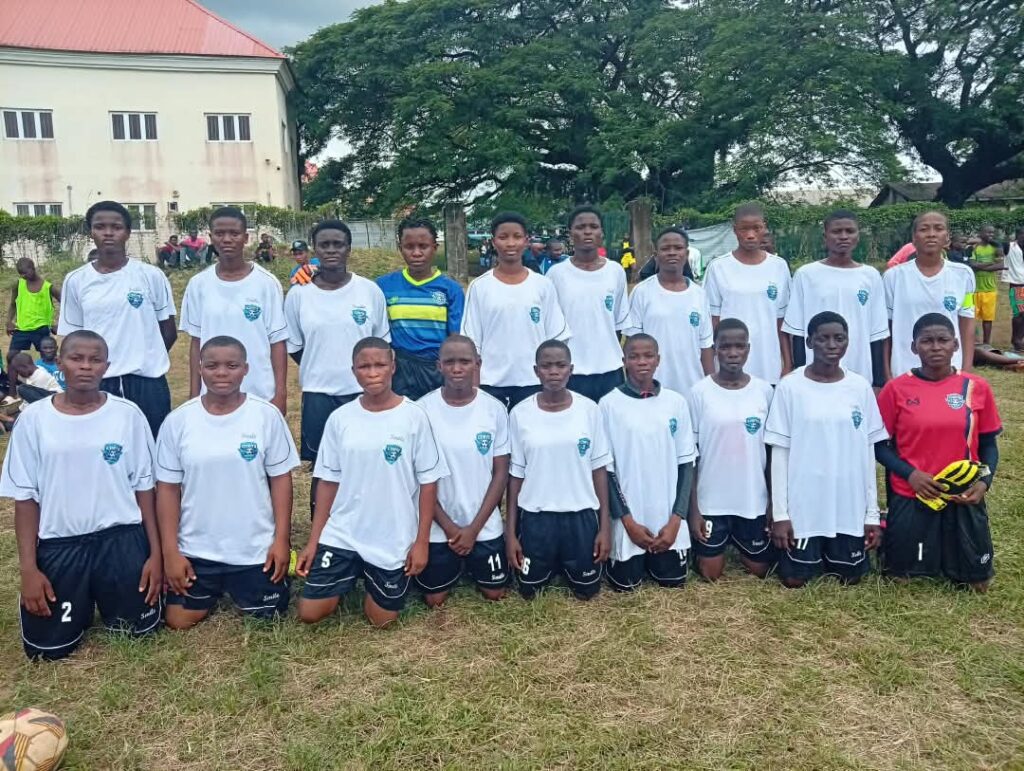
Iheanacho progressed through the ranks to become a Super Eagles international and one of Nigeria’s prominent football exports. Ayinde similarly developed into a Super Falcons international and has enjoyed a distinguished career in women’s football.
Their stories provide a compelling illustration of what youth competitions can achieve.
A tournament does not necessarily produce a star overnight. Rather, it can become the first visible step in a much longer journey, from the school field or grassroots team, to youth competitions, academies, professional clubs and eventually the national team. That is the real value of competitions such as the CNS and NOWA Cups.
There is another dimension to the Navy-YSFON partnership that should not be overlooked. The competitions are not only talent hunts. They are also character-building platforms.
That explains the repeated emphasis by organisers on discipline, determination, fairness, professionalism and sportsmanship.
For the Nigerian Navy, an institution whose identity is strongly associated with discipline and service, those values fit naturally into its youth development philosophy.
A young footballer learns to respect officials, teammates and opponents. He or she learns to accept victory with humility and defeat with maturity. The player learns teamwork, responsibility, punctuality and commitment. These are qualities that extend beyond football.
In this regard, the CNS and NOWA Cups represent an investment not only in footballers but in young Nigerians.
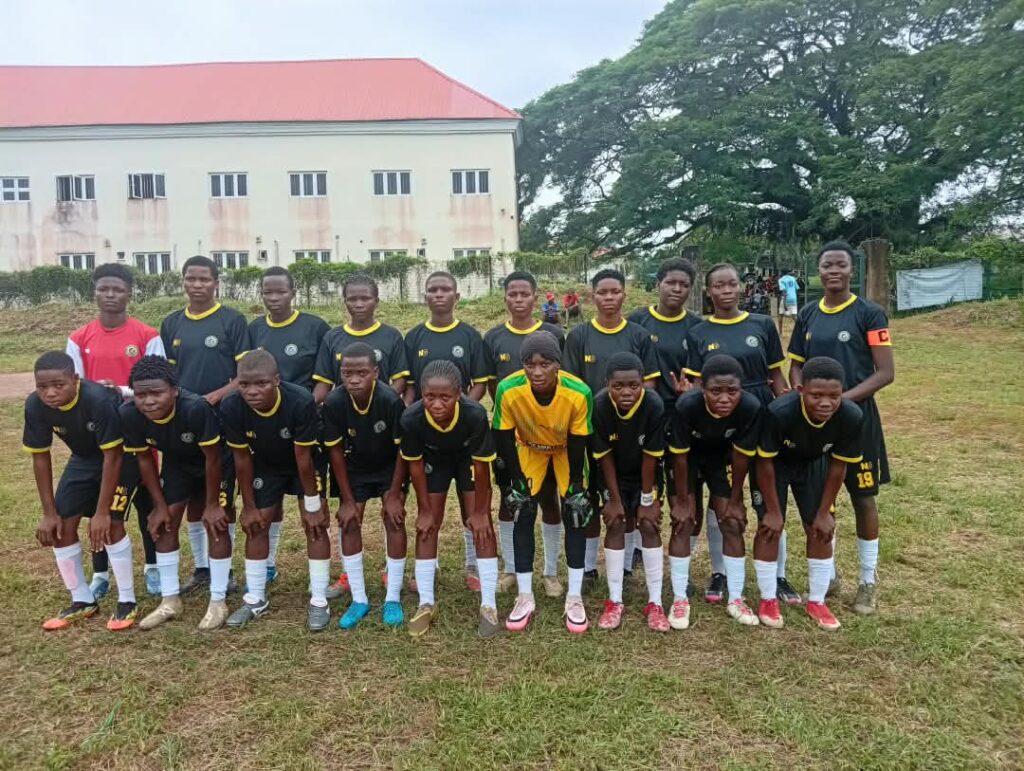
The introduction and continued development of the NOWA Cup is particularly significant in the context of women’s football in Nigeria. For many years, the development of women’s football at the grassroots level struggled to receive the same attention as the men’s game.
Competitions such as the NOWA Cup have helped change that narrative by creating dedicated platforms for young female footballers.
The U-17 age category is crucial. It represents an important transition period when talented girls can move from grassroots football into elite youth development structures.
A player discovered at this level can potentially progress to the U-17 national team, U-20 side, Super Falcons, domestic professional football and international clubs. The success of players such as Halimat Ayinde demonstrates the possibilities.
More importantly, the competition tells young girls that there is a place for them in Nigerian football.
The significance of the 2026 editions therefore, extends beyond the matches being played in Umuahia. It is a renewal of a relationship that has produced tangible results.
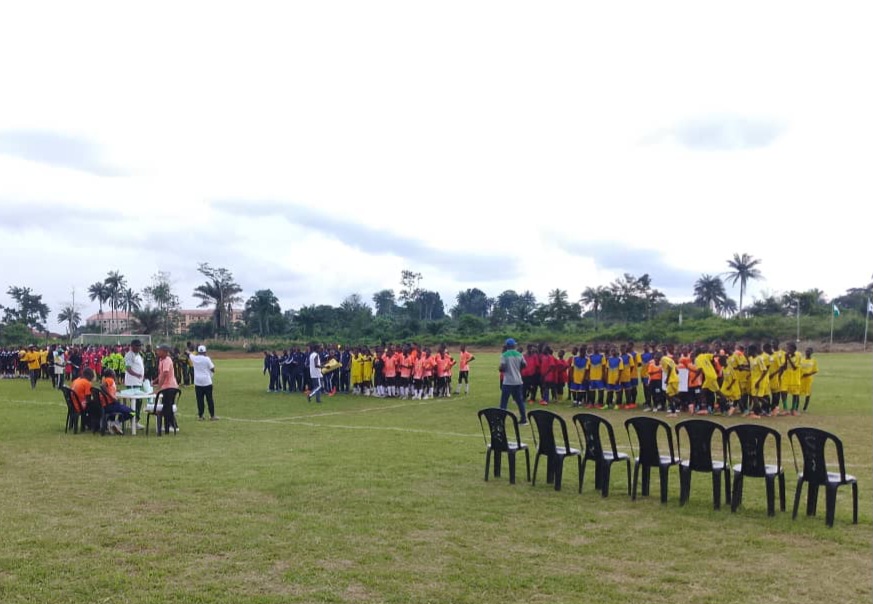
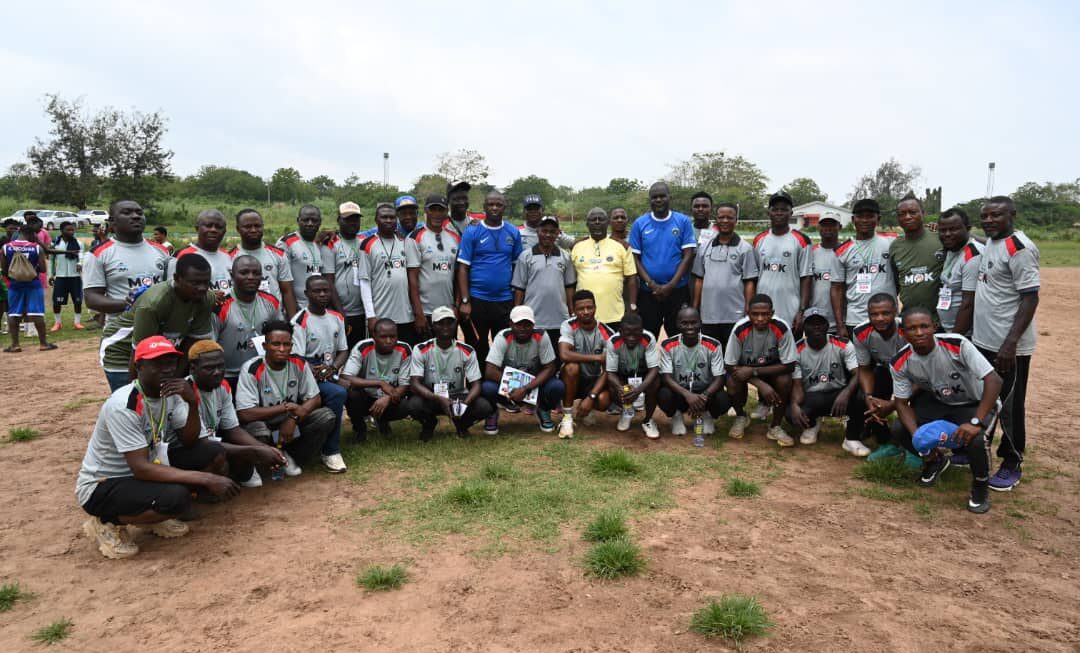
Declaring the competitions open at the Main-Bowl of Government College Umuahia, the Chief of Naval Staff, Vice Admiral Idi Abbas, represented by Rear Admiral Victor Choji, reaffirmed the Nigerian Navy’s commitment to youth development.
He described the two competitions as the Navy’s contribution to sports development in partnership with YSFON.
He also pointed to their contribution over the years to the discovery and nurturing of football talents for Nigeria.
That commitment was echoed by representatives of the Abia State Government, who welcomed the opportunity to host the competitions and emphasised the importance of giving young athletes opportunities to develop their talents.
Speaking on behalf of the Commissioner for Youth and Sports Development, Abia State, Sir Nwobilor Ananaba, the Special Assistant to the Governor on Sports, Mr. Raymond Ukwa said the state was honoured to host the two competitions designed to give young athletes opportunities to develop their talents, build discipline and embrace the values of discipline, teamwork and fair play.
For Abia, hosting the competitions is also an opportunity to demonstrate the state’s capacity to contribute to youth and sports development.
The presence of young footballers from different parts of the country brings with it more than competition. It brings interaction, cultural exchange and a shared sense of national identity.
The YSFON leadership has equally remained emphatic about the importance of the Navy partnership.
YSFON Vice President, South-East, Chief Ndubuisi Okpara, National Secretary Patrick Okpavuerhe, and Abia State Chairman, Sir Uchenna Dike have described the CNS and NOWA Cups as important talent-hunting platforms.
Their position reflects the broader YSFON philosophy, that grassroots competitions must ultimately serve as pathways to higher levels of football.
The organisation’s role is therefore, not simply to stage tournaments. It is to build a system through which young players can be seen.
That system becomes particularly valuable in a country like Nigeria, where football talent is abundant but opportunities for structured exposure can be limited.
The Navy-YSFON partnership offers an important lesson for Nigerian sports development.
Grassroots football cannot be left entirely to clubs and private academies. Government institutions, the military, corporate organisations, schools, football associations and communities all have roles to play.
The CNS and NOWA Cups show what can happen when institutional commitment is sustained over time.
Two decades after the first CNS Cup and more than a decade after the emergence of the NOWA Cup, the competitions have become part of Nigeria’s youth football calendar.
Their greatest achievement, however, may not be measured by the number of trophies won or matches played. It is measured by the young footballers whose lives have been changed. It is measured by players who have moved from obscurity into professional football. It is measured by those who have represented Nigeria.
And it is measured by the thousands of boys and girls who have learned that talent, when matched with discipline, opportunity and hard work, can open doors.
As the 22nd CNS U-14 Boys Cup and 14th NOWA U-17 Girls Cup unfold in Umuahia, another generation is being given its chance. Some participants may simply enjoy the experience and return home with wonderful memories. Others may attract the attention of coaches and scouts.
And somewhere among the competing boys and girls could be another future Super Eagles or Super Falcons star. That possibility is precisely why the partnership matters.
The Nigerian Navy and YSFON have built a platform that has survived changes in football, administration and generations of players.
Now, in Umuahia, they are once again reaffirming a shared commitment to the belief that Nigeria’s football future must be built from the grassroots. The CNS and NOWA Cups are therefore, more than football tournaments.
They are talent laboratories, character-building platforms and bridges to the future, a continuing investment in the next generation of Nigerian football.