

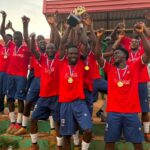
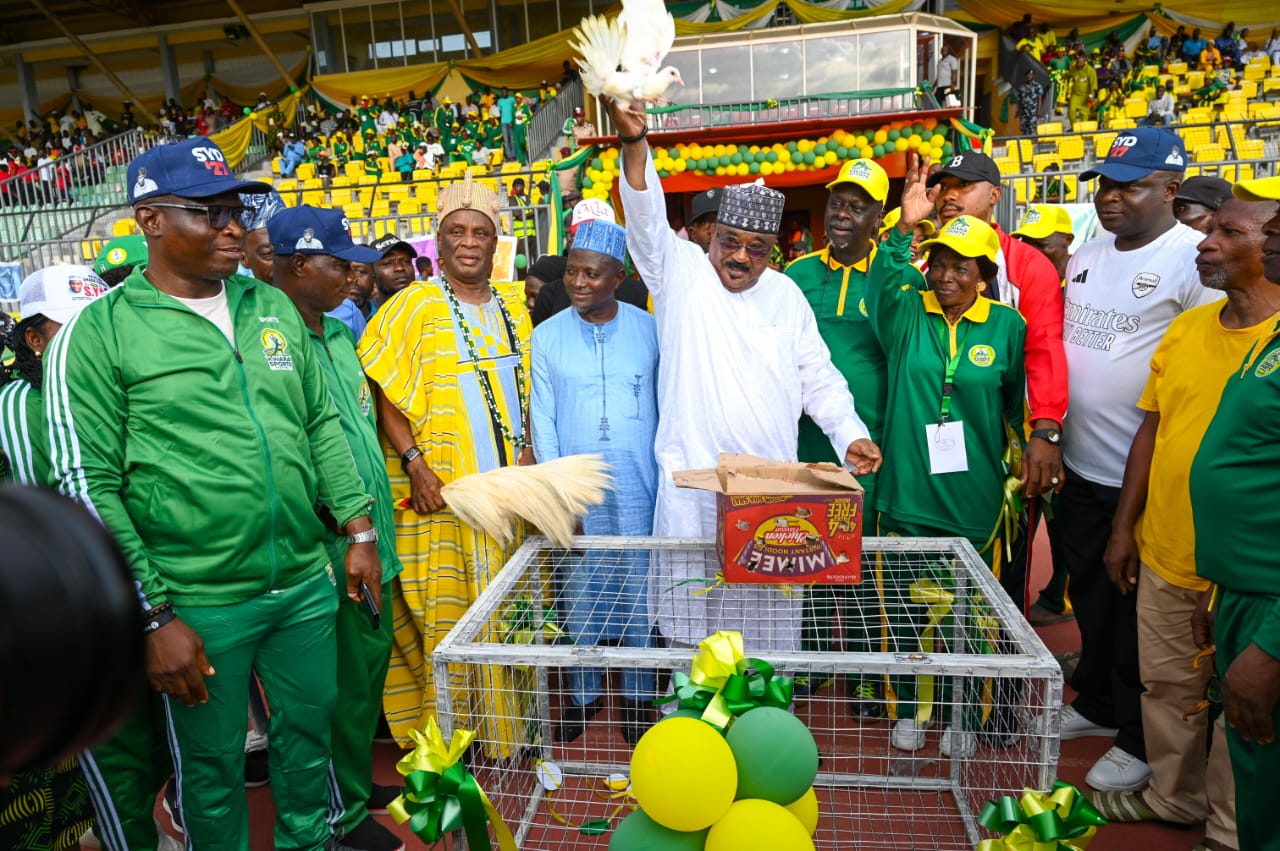
The Rashidi Yekini Main-Bowl of the General George Agbazika Innih Stadium Complex, Ilorin, came alive on Saturday August 29, 2026, as the curtain finally fell on the 8th Kwara State Sports Festival, KWAFEST 2026, a nine-day celebration of sporting excellence, youthful energy, friendship and unity.
For nine days, Kwara became one sporting family.
From all the communities of Kwara South, North and Central, athletes and their officials converged in the metropolitan heart of Ilorin, with the ambition to compete, win medals and make their communities proud.
But as the final medals were presented and the overall standings confirmed, one message resonated beyond the competition: Ilorin West may have won the festival, but KWAFEST 2026 produced winners everywhere.
That was perhaps the most fitting conclusion to a festival conceived not merely as a battle for medals, but as an instrument for discovering talents, promoting grassroots sports and strengthening the bond among the youths of Kwara State.
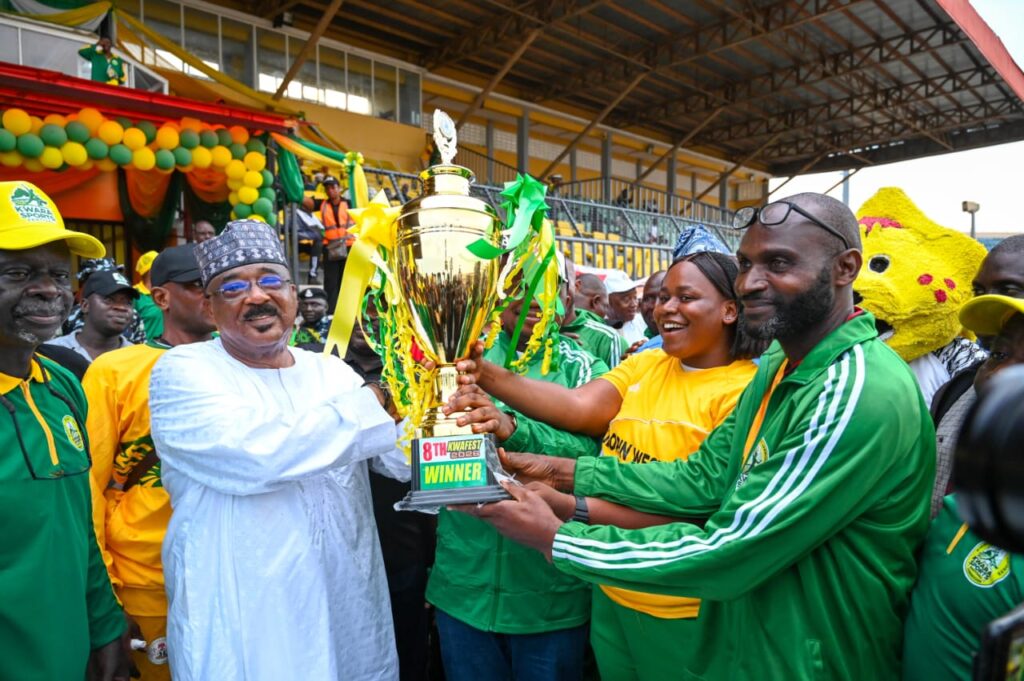
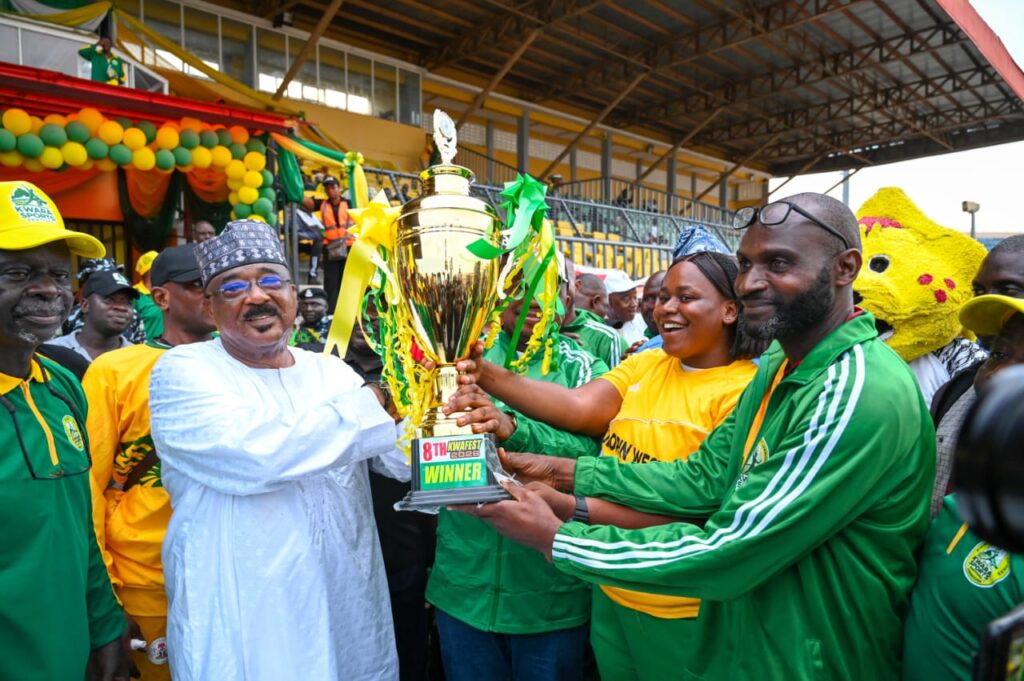
After days of intense competition across the various sporting disciplines, Ilorin West emerged as the overall winner, finishing at the summit with 21 gold, seven silver and 11 bronze medals.
Asa Local Government came a close second with 20 gold, 25 silver and 27 bronze medals, while Ifelodun secured third position with 19 gold, 16 silver and 27 bronze medals.
The figures, however, tell only one part of the KWAFEST story.
Behind every medal was an athlete who trained, sacrificed and dared to dream. Behind every participating team was a Local Government that invested in its young people. Behind every competition were coaches, officials, referees, volunteers, administrators, medical personnel, security operatives, journalists and countless others who worked quietly to make the festival possible.
The real victory, therefore, belonged to the entire state. “Everybody Is a Winner”
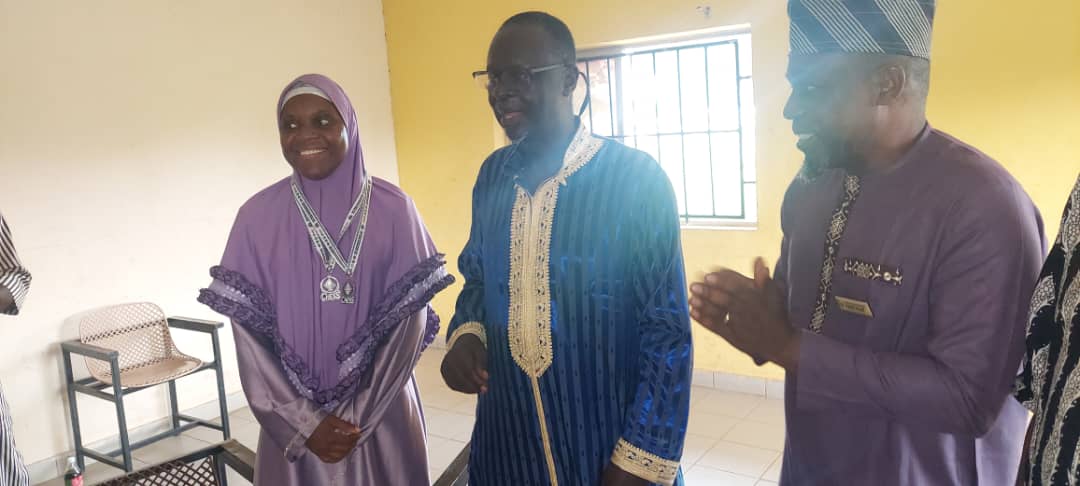
Representing Governor AbdulRahman AbdulRazaq at the closing ceremony, Deputy Governor Deacon Kayode Alabi captured the essence of the festival when he noted that although Ilorin West emerged as champion, every participant should be regarded as a winner.
The athletes were winners. Their officials were winners. The officiating officials were winners. The various Sports Associations were winners. The Local Government Chairmen and their Sports Officers were winners. The Local Organising Committee (LOC), Main Organising Committee (MOC) and their numerous Sub-Committees were winners. And, by extension, the Kwara State Sports Commission was also a winner.
It was a fitting assessment of a festival whose greatest achievement may not ultimately be found on the medal table, but in the relationships forged, talents uncovered and opportunities created.
KWAFEST once again demonstrated that sports can bring together people from different communities, backgrounds and Local Government Areas under one flag and one identity, Kwara State.
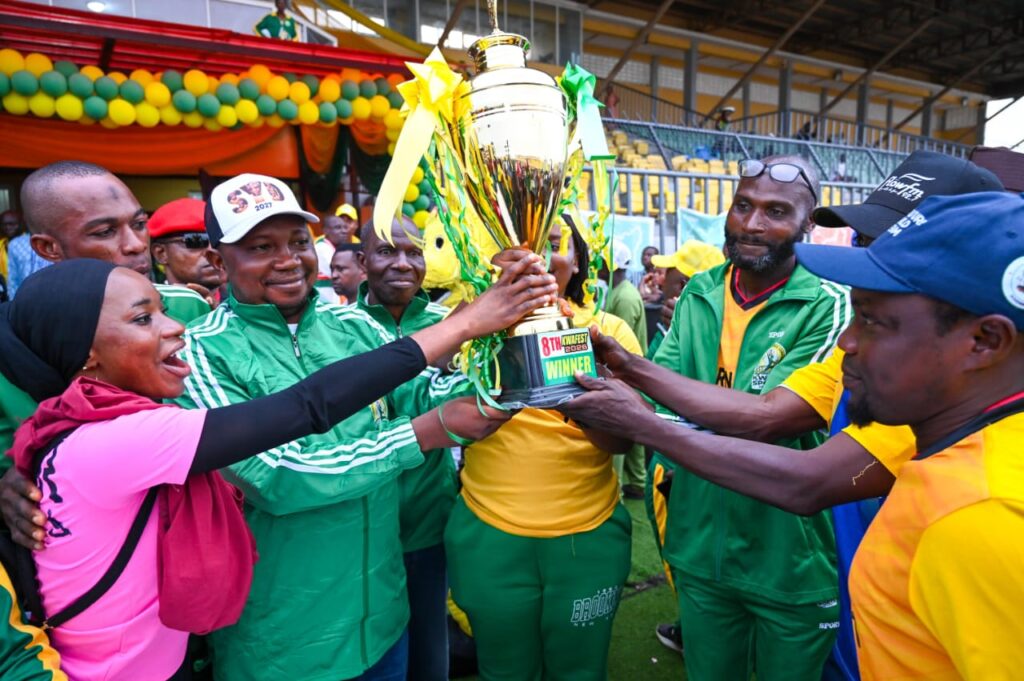
The atmosphere around the festival venues was electrifying from beginning to end. For nine days, young Kwarans ran, jumped, smashed, spiked, rallied, lifted, boxed, kicked and wrestled their way through competition. There were victories and disappointments. There were moments of celebration and moments of heartbreak.
There were athletes who arrived as relatively unknown competitors and left with medals and recognition. There were others who did not mount the podium but departed with something equally valuable, experience.
For many grassroots athletes, KWAFEST 2026 was their first opportunity to compete in a properly organised multi-sports festival and, for some, their first exposure to modern sporting facilities. That exposure could prove transformative.
The true measure of KWAFEST 2026 goes beyond the number of gold, silver and bronze medals won by the 16 LGAs. One of its most important legacies is talent discovery.
Across the different sporting events, coaches and technical officials were presented with an opportunity to identify young athletes who possess the ability, discipline and potential to progress to higher levels of competition.
The Kwara State Sports Commission now has the responsibility of converting those discoveries into a sustainable talent-development pipeline.
The performances recorded during the festival should form the foundation of a comprehensive database of emerging talents, young athletes who can be monitored, trained, exposed and nurtured into future representatives of Kwara State and Nigeria.
KWAFEST should not be the end of the journey for these athletes. For the best of them, it should be the beginning.
A significant part of the success of KWAFEST 2026 was the investment in sporting infrastructure by the state government. The renovation of existing facilities and construction of new ones added quality, colour and class to the festival.
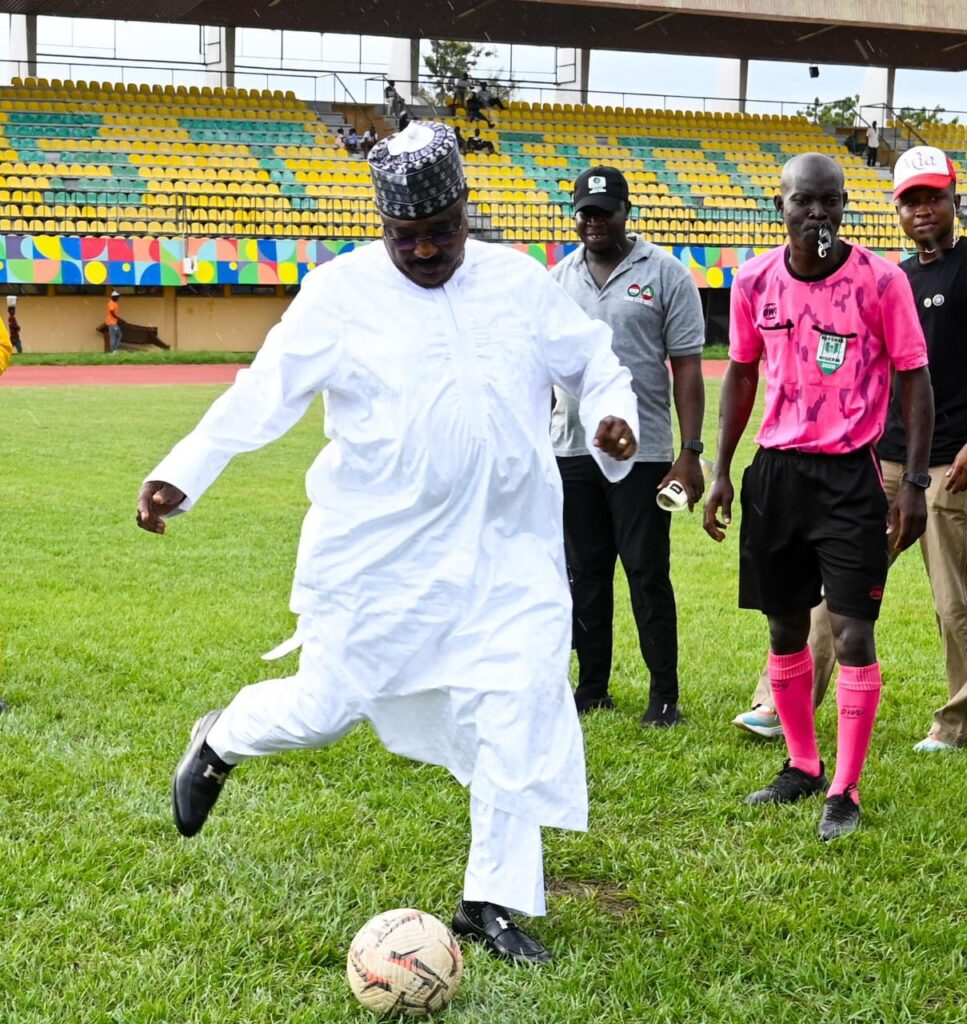
For athletes coming from grassroots communities, competing in such facilities was an experience in itself. The facilities did not merely provide venues for competition; they provided an environment capable of inspiring young athletes to dream bigger.
Governor AbdulRahman AbdulRazaq’s commitment to sports infrastructure therefore, became one of the silent but important stories of the festival.
As Executive Chairman of the Kwara State Sports Commission, Mallam Bolakale Adisa Mogaji pointed out, the festival provided another opportunity to appreciate the Governor’s commitment to sports development.
Mogaji commended the state government for creating the opportunity for young people across the state to participate and for providing the facilities and resources required to stage a befitting eighth edition of the festival, the second such festival under the present administration.
He stressed that the major takeaway should be an appreciation of the Governor’s commitment to sports development and the collective effort that made KWAFEST 2026 worthwhile.
The success of a multi-sports festival of this magnitude does not happen by accident. It requires planning, coordination, discipline and teamwork.
The Chairman of the LOC, Dr. Steve Olarinoye, acknowledged this reality in his assessment of the festival.
He commended Governor AbdulRazaq and Mogaji, as well as the leadership and staff of the Kwara State Sports Commission, the LOC and MOC, participating LGAs, athletes and officials.
For Olarinoye, the festival demonstrated what can be achieved when people work together as one family with a common purpose.
He particularly praised the Sports Commission Executive Chairman for giving the LOC the necessary freedom to operate, saying that the confidence and support provided by the Commission’s leadership contributed significantly to the smooth delivery of the event.
The numerous sub-committees also deserve recognition.
Technical, Accommodation, Accreditation, Venues, Feeding, Transport, Security, Ceremonial, Medical, Electrical, Media and Publicity Committees all had different responsibilities, but one collective assignment, to make KWAFEST work, and they did.
Perhaps one of KWAFEST 2026’s most important achievements was what did not happen. There was no major security breach. There was no serious health disaster. There was no communal clash. Instead, the festival was characterised by safety, friendship, camaraderie, understanding, harmony and peace.
That is significant.
At a time when sporting competitions can sometimes generate tension and unhealthy rivalry, KWAFEST demonstrated that competition and unity can coexist. Athletes competed fiercely during their events and embraced one another afterwards.
A young athlete from one Local Government could leave Ilorin with a new friend from another part of the state. A coach could establish a relationship that would later produce an opportunity. A sports official could make a connection that could last for years. These are victories that no medal table can capture.
There was also an economic dimension to the festival. For nine days, athletes, officials and visitors patronised small businesses around the Stadium Complex and other festival venues.
Sports equipment vendors, food sellers, transport operators and other small-scale businesses benefited from the increased human and commercial activity generated by the festival. In this regard, KWAFEST was not simply a sporting event.
It was also a temporary economic ecosystem that created opportunities for people whose businesses depend on sporting activities and large gatherings.
For the media, KWAFEST provided another opportunity to tell the stories of young Kwarans whose talents may otherwise have remained hidden. For the athletes, it was a stage. For the coaches, it was a scouting ground. For the Local Governments, it was an opportunity to showcase their sporting strength. For the Sports Commission, it was a talent-discovery laboratory. And for Kwara State, it was a celebration of what its young people can achieve when given the opportunity.
With the stadium now quiet and the athletes returning to their various communities, one question naturally emerges: When next?
KWAFEST 2026 has raised expectations.
If the festival is to become a sustainable instrument of grassroots sports development, it must not be treated as an occasional event that appears and disappears every few years. Its greatest value will come from continuity.
The athletes discovered in 2026 should be monitored. The best performers should be invited into structured development programmes. Records should be preserved. Coaches should be engaged. Sports Associations should be empowered to continue working with the identified talents. Facilities should remain active.
And, most importantly, the momentum generated by the festival should be sustained. The next edition should not merely repeat KWAFEST 2026. It should build on it.
Perhaps, future editions could introduce stronger talent-identification mechanisms, performance tracking, scholarships, elite development pathways and clearer transition routes from the festival to state, national and international competitions.
That would turn KWAFEST from a successful festival into a lasting institution of grassroots sports development.
A Festival of winners. The final whistle has been blown. The medals have been distributed. Ilorin West has been crowned champion. But the story of KWAFEST 2026 is much bigger than the champion.
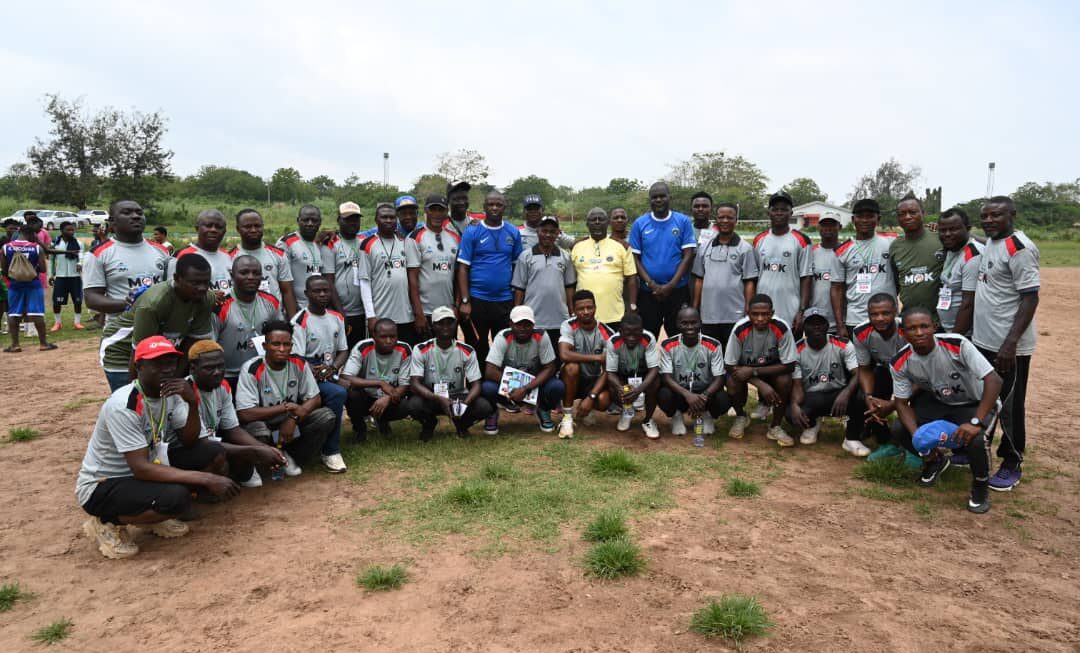
It is the story of nearly 800 young men and women who came from the 16 Local Government Areas and competed with courage, discipline and determination. It is the story of officials who served. Coaches who guided. Referees who officiated. Organisers who planned. Committee members who worked. Security personnel who protected. Medical teams who cared. Journalists who reported. And a government that provided the facilities and enabling environment.
It is the story of young Kwarans who discovered that they belong to one sporting family. Some went home with medals. Others went home with experience. Many went home with new friendships and connections.
And perhaps, somewhere among them are the future champions who will one day represent Kwara and Nigeria on the biggest sporting stages.
That is why, when the question is asked, who won KWAFEST 2026?, the answer should not be limited to the medal table. Ilorin West won the competition. But Kwara won the festival. And, ultimately, every participant was a winner.
KWAFEST 2026 has ended. The memories will remain. The talents have been discovered. The friendships have been forged. The bridges have been built. The foundation has been strengthened. Now, the next challenge is simple: When next, and how much bigger, better and more impactful will KWAFEST be?