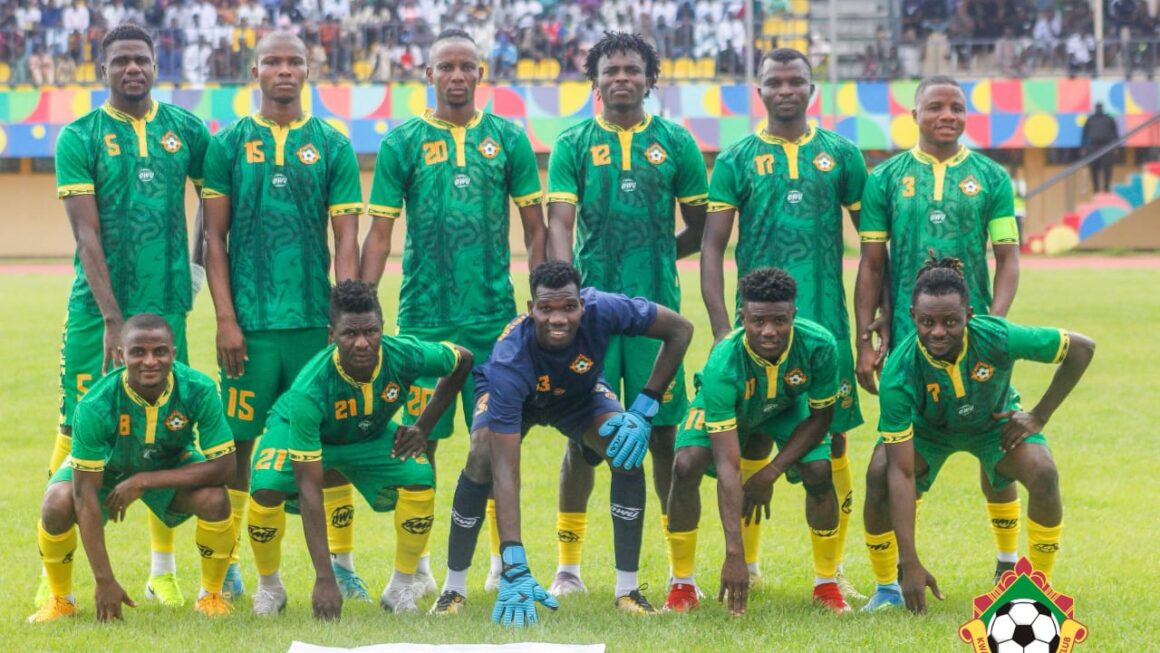









The decision by the Nigeria Premier Football League (NPFL) to sanction Kano Pillars with fines without a corresponding points deduction, has stirred discontent among several top-flight clubs, raising fresh concerns about consistency, deterrence, and the league’s disciplinary credibility.
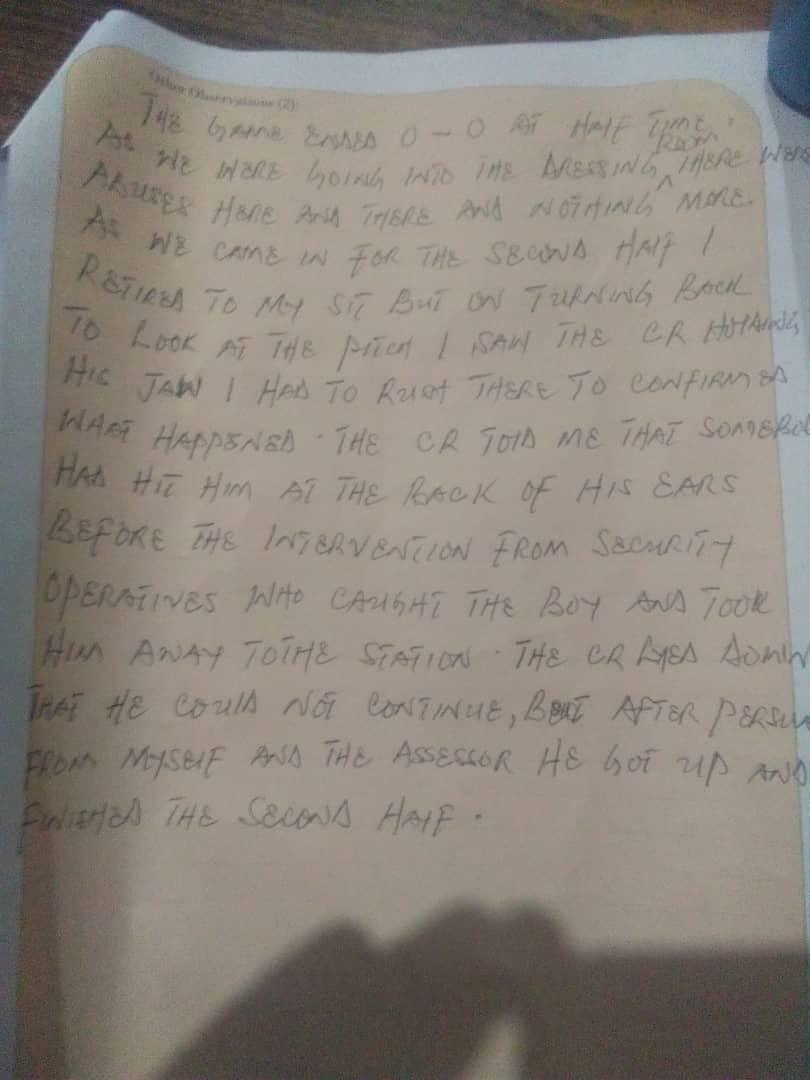
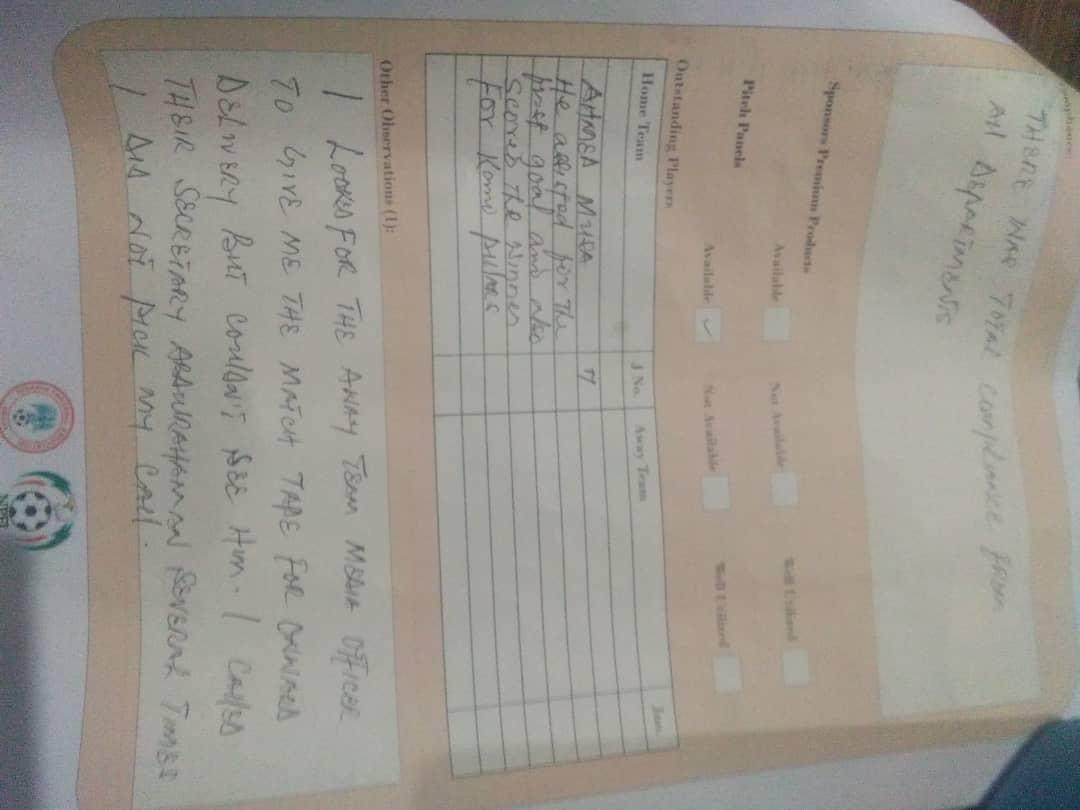
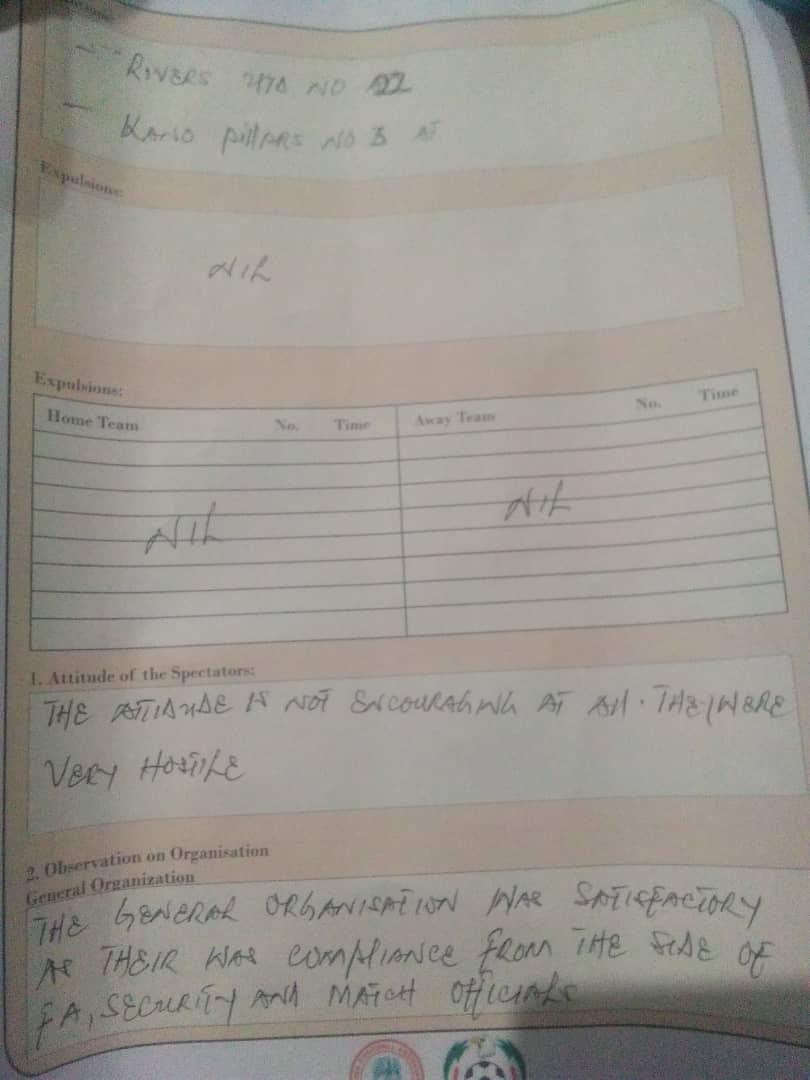
At the heart of the controversy is the violent incident involving match officials during Pillars’ clash with Rivers United, where the referee was reportedly assaulted.
While the league moved swiftly to impose financial penalties, many stakeholders argue that the punishment falls short of the gravity of the offense.
For several NPFL clubs, this is not merely about one isolated decision but part of a troubling pattern. Kano Pillars, a historically prominent side, have faced disciplinary issues in the past, yet critics say the absence of stricter sporting sanctions, such as points deduction, stadium bans, or matches behind closed doors, sends the wrong message.

Fines alone are not enough to deter this level of misconduct. When actions as serious as assaulting a referee, especially openly occur, the consequences must reflect the severity. Otherwise, it undermines the integrity of the competition.
The argument is rooted in a broader principle: football governance must balance punishment with deterrence. Financial penalties, while significant, are often viewed as insufficient, particularly for clubs with strong financial backing or passionate home support that can offset such costs.
A points deduction, on the other hand, directly impacts sporting outcomes and is widely regarded as a more effective corrective measure.
There is also concern about the precedent this sets. If violent conduct toward match officials does not attract the harshest sanctions available, what then constitutes a red line? Referees, already operating under intense pressure, may feel increasingly vulnerable, potentially affecting the quality and fairness of officiating across the league.
Some observers have drawn comparisons with disciplinary frameworks in other leagues, where similar incidents often result in immediate and severe penalties, including hefty point deductions or expulsion from competitions.
The NPFL, they argue, must align with global best practices if it hopes to elevate its standard and reputation.

Defenders of the league’s decision, however, suggest that the disciplinary committee may have considered mitigating factors not publicly disclosed.
They argue that due process must be respected and that sanctions are often based on detailed reports and evidence beyond what is available in the public domain. Still, even among this group, there is an acknowledgment that transparency in decision-making could help quell growing dissatisfaction.
Ultimately, the issue goes beyond Kano Pillars. It touches on the credibility of the NPFL as a whole. In a league striving for professionalism, commercial growth, and international respect, disciplinary consistency is non-negotiable.
For now, the murmurs of discontent among clubs continue to grow louder. Whether the league authorities will revisit their stance or introduce stricter measures in future cases remains to be seen. But one thing is clear: many within the NPFL ecosystem believe that when it comes to safeguarding the game and its officials, fines alone are no longer enough.
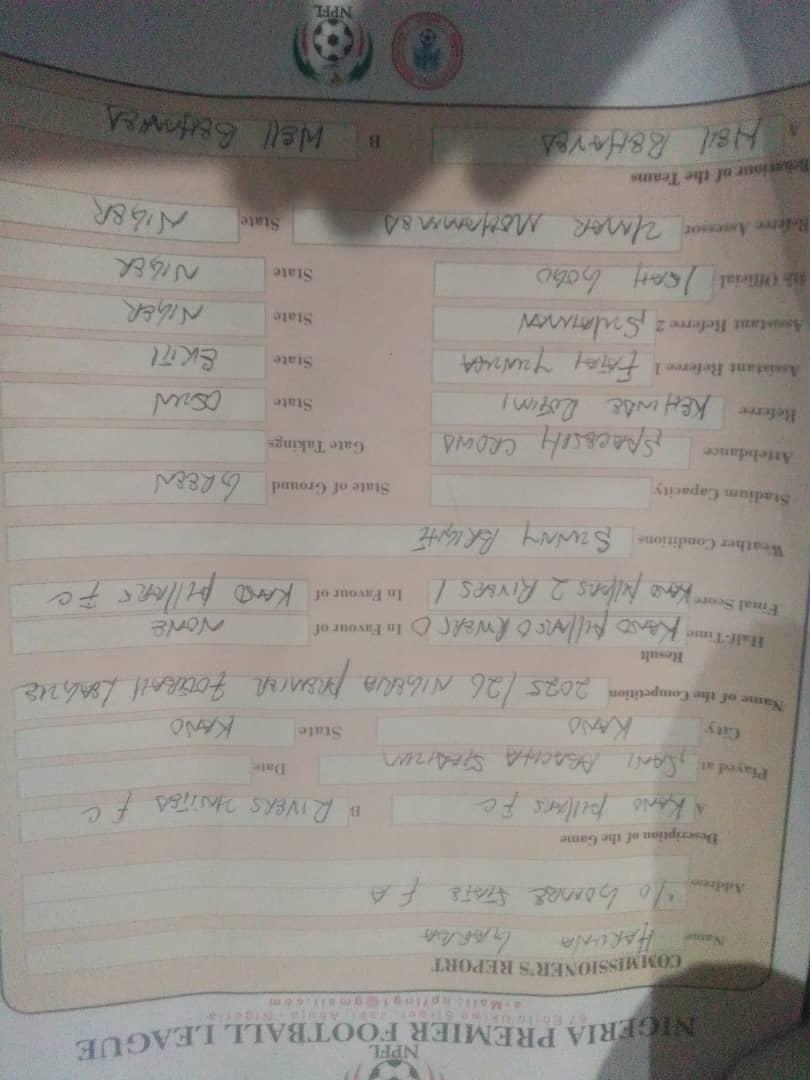
Going by the NPFL sanctions, Kano Pillars was charged for breaching the NPFL Framework & Rules in their home match vs Rivers Utd on Sunday, April 19, 2026.
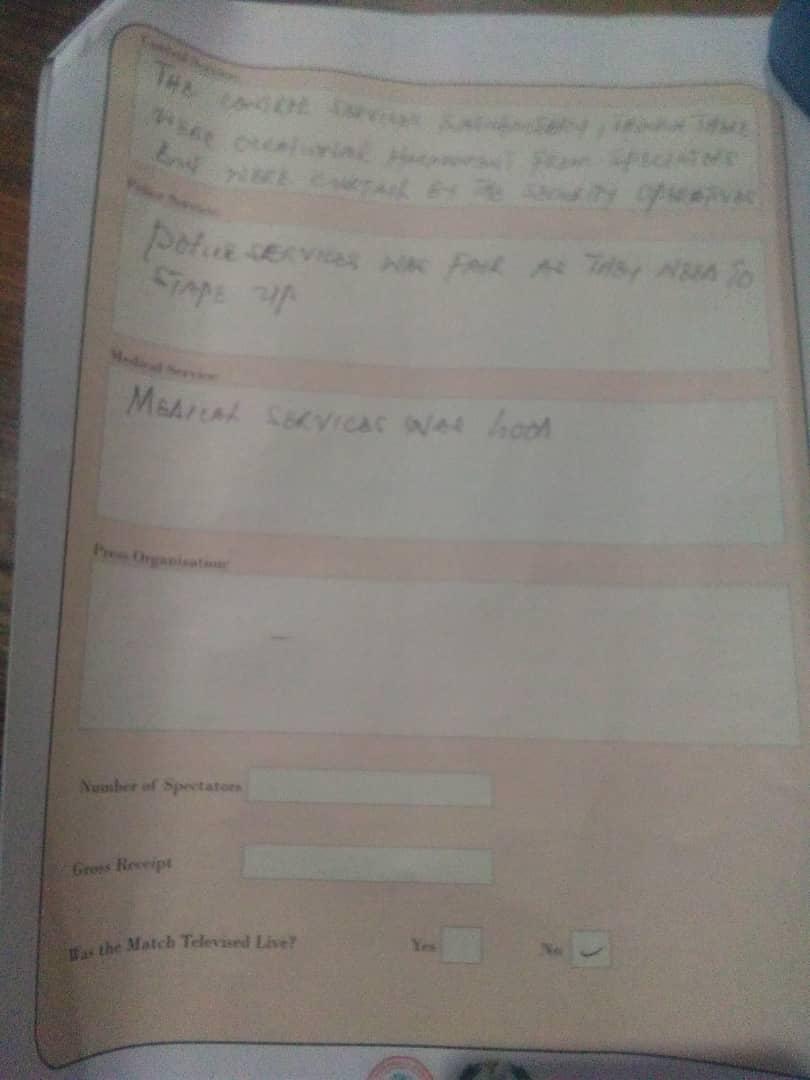
The Kano club failed to provide adequate & effective security, resulting in unauthorized persons gaining access to restricted areas.
The club further breached league rules following the encroachment of their supporters into the pitch comprising the safety of players & officials.
Kano Pillars supporters also engaged in behaviour capable of bringing the game to disrepute.
The club also failed to ensure
the proper conduct of their supporters which resulted in the intimidation & harassment of match officials.
Supporters of the club also engaged in gross misconduct against match officials, a conduct that undermines the integrity of the league.
For repeated failure to provide adequate security, Kano Pillars are fined N4m and will also pay another N3m fine for repeated acts of unsporting behaviour capable of bringing the game into disrepute.
For repeated failure to ensure proper
conduct of their supporters, resulting in the harassment of, & intimidation of match officials, Kano Pillars are fined N3m.
Kano Pillars are further fined N3m for repeated gross misconduct towards match officials.
For repeated disruption & delay of the match, which led to the harassment of the centre referee & stoppage of play, Kano Pillars have also been fined N2m.
Kano Pillars will also play their next 3 home matches behind closed doors, the only one remaining this season & the other two at the start of next season.
The club, the NPFL added, have within 48 hours of the date of notice to appeal these sanctions.