







From the school fields and neighbourhood playgrounds where young Nigerians first discover their passion for football to the national and international arenas where the country’s finest talents eventually represent Nigeria, the journey of football development has always depended on one essential ingredient, a sustainable grassroots development system.
For more than six decades, the Youth Sports Federation of Nigeria (YSFON) has remained part of that story.
Established on April 6, 1965, by the late sports journalist Tony Eke, YSFON emerged as one of Nigeria’s pioneering youth-sports organisations, creating platforms for young athletes to compete, develop and gain exposure.
Over the years, the federation has organised age-grade football and other sporting competitions across the country and has been associated with the development of players who went on to make their mark at national and international level.

Mrs. Aisha I. Abbas
National President, NOWA
Indeed, YSFON’s historical contribution to Nigerian football is closely linked with the country’s age-grade football culture. Players who participated in its competitions formed part of the talent pool from which Nigeria’s celebrated youth teams were developed, including the generation that won the inaugural FIFA U-16 World Cup in China in 1985.
The Nigerian Navy, on the other hand, represents one of the country’s most enduring institutions of national service.
Its roots can be traced to the Marine Department established in 1887. The Nigerian Naval Force evolved into the Naval Defence Force in 1956, became the Royal Nigerian Navy in 1958 and, following Nigeria’s transition to a republic, became the Nigerian Navy. Its modern legal foundation was established through the Nigerian Navy Act of 1964.
It is against this background of service, discipline, youth development and national responsibility that the partnership between YSFON and the Nigerian Navy assumes particular significance.

Alhaji Nasiru Gawuna, YSFON President
The Chief of Naval Staff (CNS) Cup has grown into a recognised age-grade football platform, with the just concluded edition in Umuahia, Abia state marking its 22nd championship for U-14 boys.
Its sister competition, the Naval Officers’ Wives Association (NOWA) Cup, has similarly developed into an important avenue for female youth football, with the 2026 edition marking its 14th championship for U-17 girls.
Together, the competitions have evolved beyond the simple pursuit of trophies.
They represent a deliberate effort to create a bridge between raw talent and organised football development, giving young players competitive experience, exposing them to coaches and scouts, encouraging discipline and providing them with an opportunity to dream beyond their immediate communities.
The decision to run boys’ and girls’ competitions side by side is also significant. It recognises that football development must be inclusive and that the pathway to excellence should be available to both young boys and girls.
Over the years, the twin championships have therefore, become more than annual football fixtures. They have become part of a wider conversation about youth development, character formation, national unity and the power of sport to change lives.
That philosophy was again demonstrated in Umuahia, Abia State, where the 22nd CNS Cup and 14th NOWA Cup brought together young footballers from different parts of Nigeria.
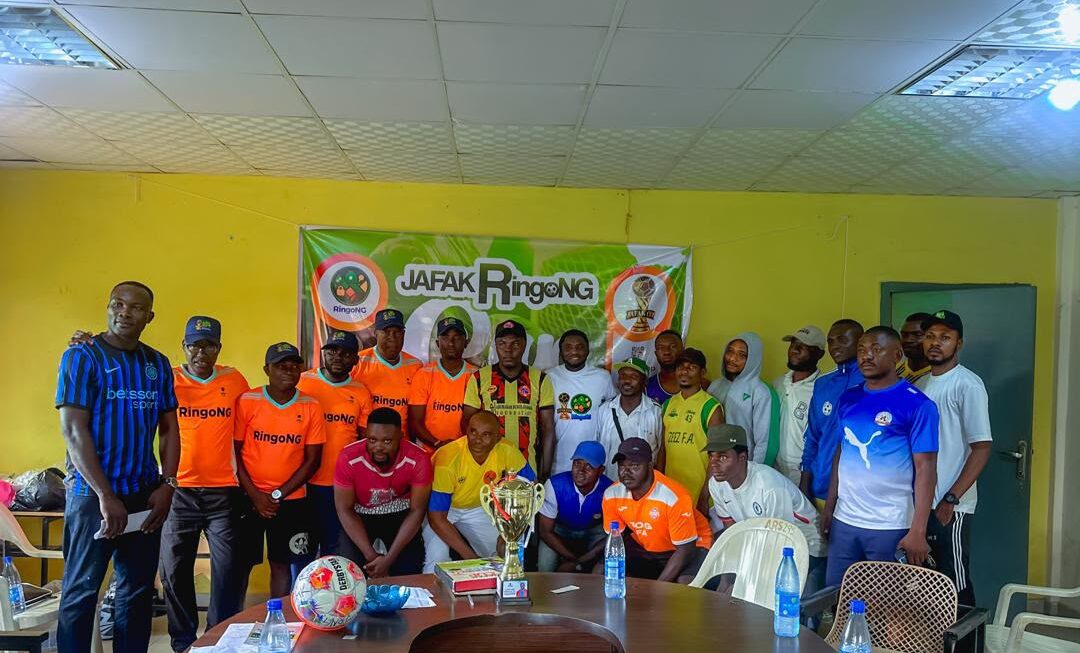
The week-long championships commenced on September 6 at Government College, Umuahia, with teams competing for honours while simultaneously pursuing the larger objectives of talent identification, grassroots development and youth empowerment.
At the end of the competition, it was Otti Boys FC of Abia who emerged champions of the CNS Cup after defeating Ozalla Football Academy in the final. Young Brazil FA of Kaduna finished third.
In the girls’ competition, Onimarg FC of Akure, Ondo State, successfully defended the NOWA Cup, defeating Cecilia Babes FC of Abia 2-1 in the final. Osklean Football Academy of Rivers finished third.
For Otti Boys, the victory represented the reward for a week of hard work on home soil. For Onimarg, retaining the NOWA Cup demonstrated the value of continuity and sustained development in youth women’s football.
But beyond the names of the winners, the greater victory was the opportunity created for scores of young players to test themselves against peers from different parts of the country.
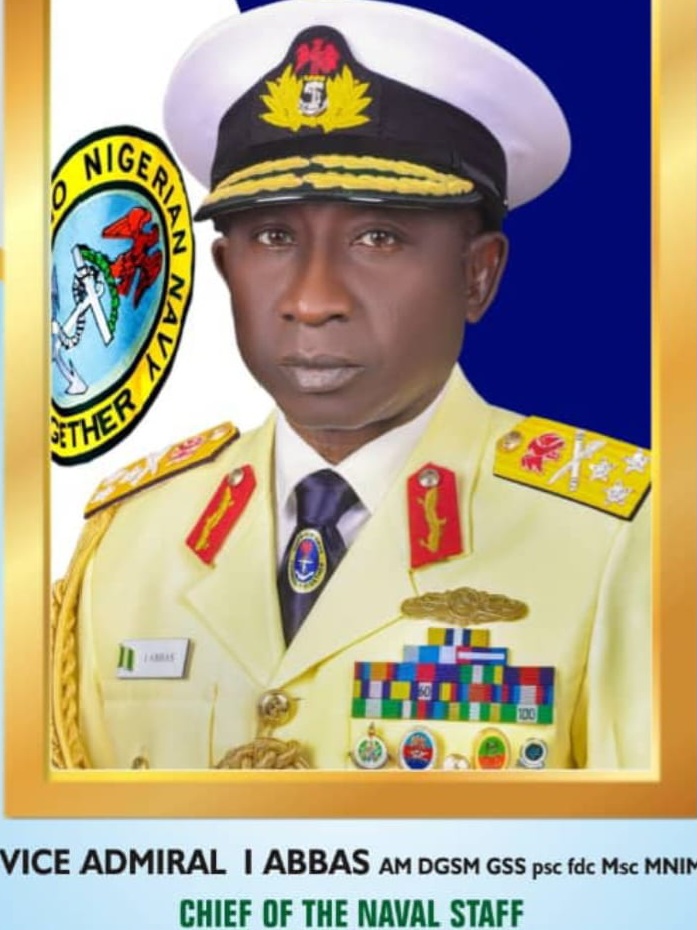
The Chief of the Naval Staff, Vice Admiral Idi Abbass, through his representative, Rear Admiral Victor Choji, used the closing ceremony to reinforce the philosophy behind the championships.
According to the Naval Chief, the competitions provide an important platform for identifying and developing young football talents who could eventually represent Nigeria at the highest level.
But the message went beyond football.
He emphasised the physical, mental and social benefits of participation, while commending the players for displaying skill, discipline, determination and sportsmanship throughout the tournament.
The young footballers were urged to remain focused on their development, with the Naval Chief stressing that talent alone cannot guarantee success. Hard work, consistency, discipline, commitment and perseverance, he noted, remain essential ingredients for success both on the football field and in life.
That message perhaps captures the real purpose of the CNS and NOWA Cups.
A youth championship should not merely produce winners; it should help produce young people capable of handling success, disappointment, competition, responsibility and opportunity.
For YSFON, the Umuahia championship represents another expression of its longstanding commitment to grassroots sports.
Its history shows an organisation built around the belief that talented young Nigerians need platforms where they can be seen, tested and developed. The federation’s long involvement in age-grade competitions has helped sustain the idea that football development must begin before players reach the professional level.
The partnership with the Nigerian Navy adds another dimension to that mission.
It combines YSFON’s grassroots sporting experience with an institution whose values include discipline, service, training and professionalism.
The result is a championship in which football becomes a vehicle for broader human development.
One of the most significant developments surrounding the 2026 competition was the disclosure that the Nigerian Navy has reactivated its Navy Football Youth Academy in Calabar.
That development could provide an important next step for exceptional players identified through competitions such as the CNS and NOWA Cups. It means the championship does not necessarily have to end when the final whistle is blown.
For a young player discovered in Umuahia, the tournament can potentially become the beginning of another stage, further training, improved technical development, greater exposure and, ultimately, an opportunity to progress towards elite football.
That is the kind of continuity Nigeria’s grassroots football system needs.
Talent identification without development can leave promising players stranded. Development without competition can limit exposure. Competition without a pathway can make trophies the end rather than the beginning. The real value of the CNS and NOWA Cups lies in connecting these stages. The advantages of such competitions extend beyond football.
Grassroots football brings young people together across ethnic, religious, geographical and social boundaries. They learn to respect opponents, obey rules, work with teammates and respond to victory and defeat.
For many young participants, football can also provide an alternative to idleness and social vices. It gives them something to aspire to, while creating opportunities for coaches, referees, administrators, medical personnel, scouts and other professionals within the sporting ecosystem.
The women’s competition is equally important because it reinforces the place of girls in Nigeria’s football development structure.
The emergence of competitions such as the NOWA Cup helps create visibility for female players at an age when consistent competition and proper coaching can make a significant difference to their future careers.
The conclusion of the 22nd CNS and 14th NOWA Cups should therefore, not be measured only by who lifted the trophies.
The trophies belong to Otti Boys FC and Onimarg FC, but the larger objective belongs to Nigerian football.
The next stage should be about ensuring that the talents identified in Umuahia are followed up, properly trained and given appropriate opportunities.
It should be about strengthening the partnership between YSFON and the Nigerian Navy, improving the organisation of the championships, expanding scouting networks and ensuring that outstanding boys and girls have clear pathways from grassroots football to elite competition.
It should also be about preserving the values repeatedly emphasised throughout the championship: discipline, commitment, perseverance, sportsmanship and hard work.
The 22nd CNS Cup and 14th NOWA Cup have therefore ended, but their real work should continue. From Government College, Umuahia, another generation has been given an opportunity to dream. The responsibility now is to ensure that those dreams do not end with the closing ceremony.
For YSFON and the Nigerian Navy, the message remains clear: discover the talent, develop the character, create the pathway and give the next generation a chance to serve Nigeria through sport.