




When the 2026 FIFA World Cup kicked off across the United States, Mexico and Canada, Africa arrived with unprecedented confidence and unprecedented numbers…..10 countries.
For the first time in history, the continent was represented by 10 countries, a reward for the expansion of the tournament from 32 to 48 teams. It was a historic milestone that reflected African football’s remarkable growth and its increasing influence on the global game.
Yet, as the tournament enters its decisive stages, the same familiar question continues to confront the continent: when will Africa finally produce a FIFA World Cup champion?
Despite flashes of brilliance, tactical maturity and an abundance of world-class talents, Africa is still searching for the breakthrough that many believe is long overdue.
Of the 10 African representatives, Morocco once again emerged as the continent’s standard bearer.
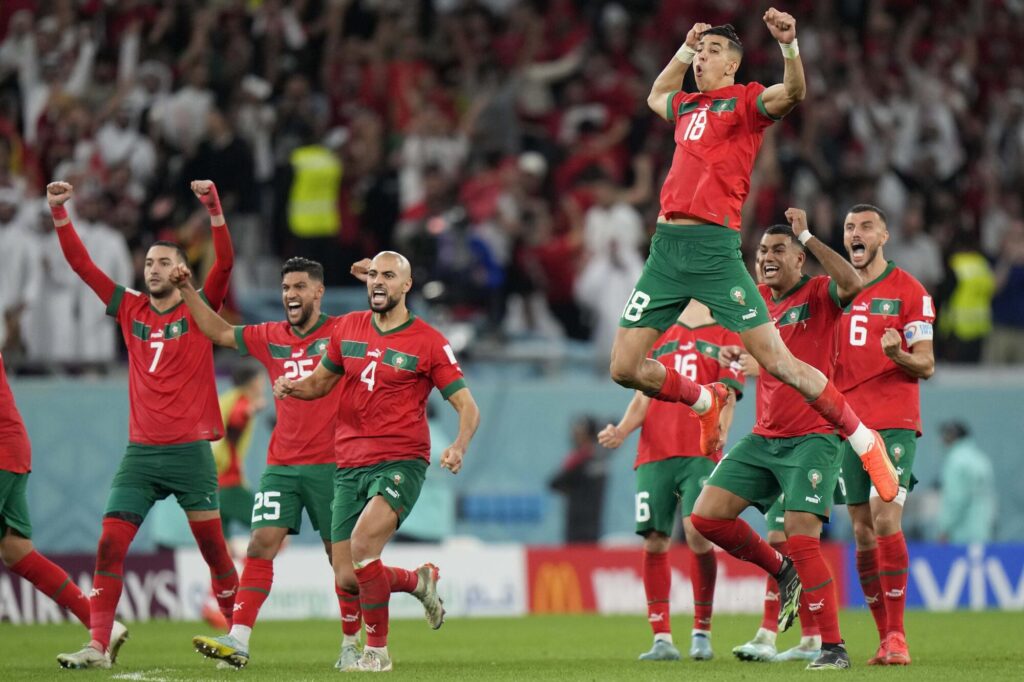
After defeating Canada to reach another World Cup quarter-final, the Atlas Lions sustained the belief that Africa can consistently compete with football’s traditional superpowers. However, that dream was halted by France, who claimed a 2-0 victory to end Morocco’s campaign.
Other African representatives produced respectable performances but ultimately fell short.
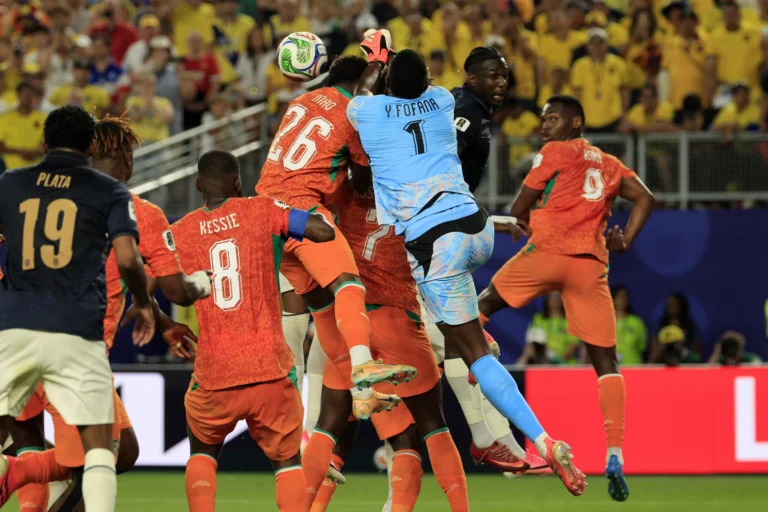
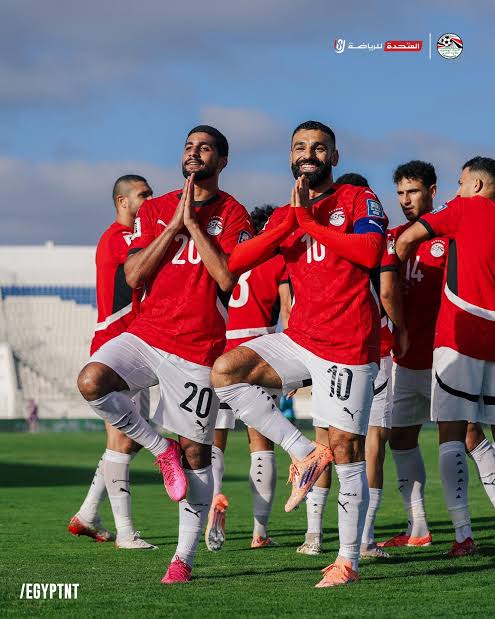
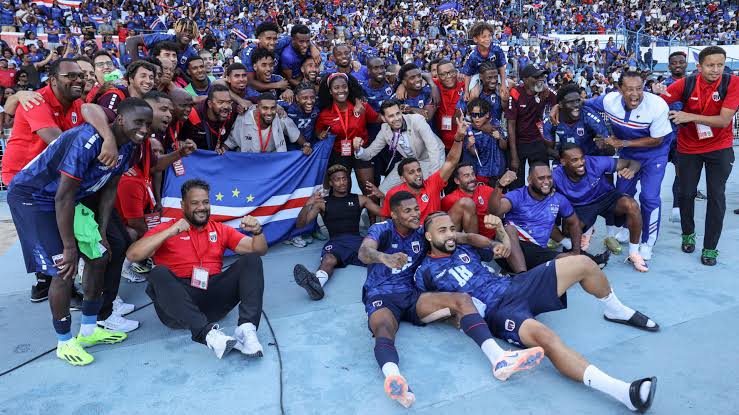
South Africa reached the Round of 32 before losing narrowly to co-host Canada. Ivory Coast bowed out against Norway. Senegal lost an entertaining contest against Belgium. DR Congo pushed England before suffering defeat. Algeria, Ghana, Egypt, Cape Verde and others also demonstrated flashes of quality but could not sustain long tournament runs. Tournament results showed progress, yet Africa still struggled to convert promise into prolonged success.
Africa’s World Cup story did not begin with participation. It began with protest.
Ahead of the 1966 World Cup in England, every African nation withdrew from qualification after FIFA refused to guarantee the continent a direct place at the finals, insisting that African winners should face Asian representatives for a single berth. CAF regarded the arrangement as discriminatory and organised a collective boycott.
That boycott became one of African football’s greatest political victories. FIFA eventually yielded, granting Africa an automatic qualification place beginning with the 1970 World Cup.
Without that courageous stand, today’s allocation of 10 World Cup places may never have become reality.
Since Morocco became Africa’s first representative at Mexico 1970, the continent has steadily broken barriers.
Some unforgettable milestones include Morocco becoming the first African nation to top a World Cup group in 1986, Cameroon reaching the quarter-finals at Italia ’90 under the legendary Roger Milla, Senegal stunning defending champions France in 2002 before reaching the quarter-finals, and Ghana coming within seconds of becoming Africa’s first semi-finalist in 2010 before Luis Suárez’s infamous handball and Uruguay’s penalty shootout victory.
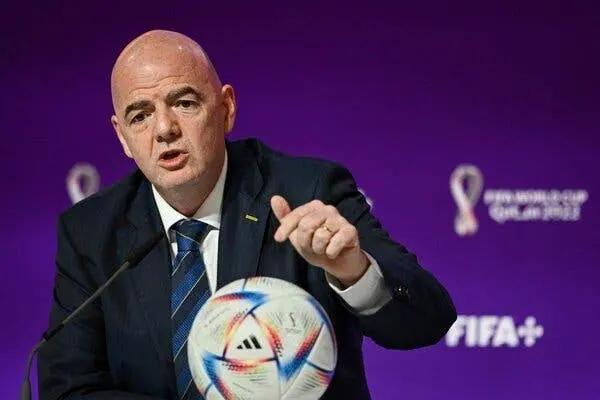
Also, Morocco rewrote history in Qatar 2022 by becoming the first African nation to reach the semi-finals. Each achievement dismantled old stereotypes. Each tournament proved Africa belonged among football’s elite. Talent has never been Africa’s problem
The notion that African football lacks quality disappeared long ago. African players dominate Europe’s biggest leagues.
Mohamed Salah, Achraf Hakimi, Victor Osimhen, Ademola Lookman, Serhou Guirassy, Brahim Diaz, André Onana, Thomas Partey, Riyad Mahrez and many others have become global stars. Many African coaches are embracing sophisticated tactical systems. Sports science continues to improve, and youth academies are expanding.
Infrastructure has improved significantly across several nations. The issue is no longer talent. The challenge lies elsewhere. The invisible barrier: mentality and inferiority complex
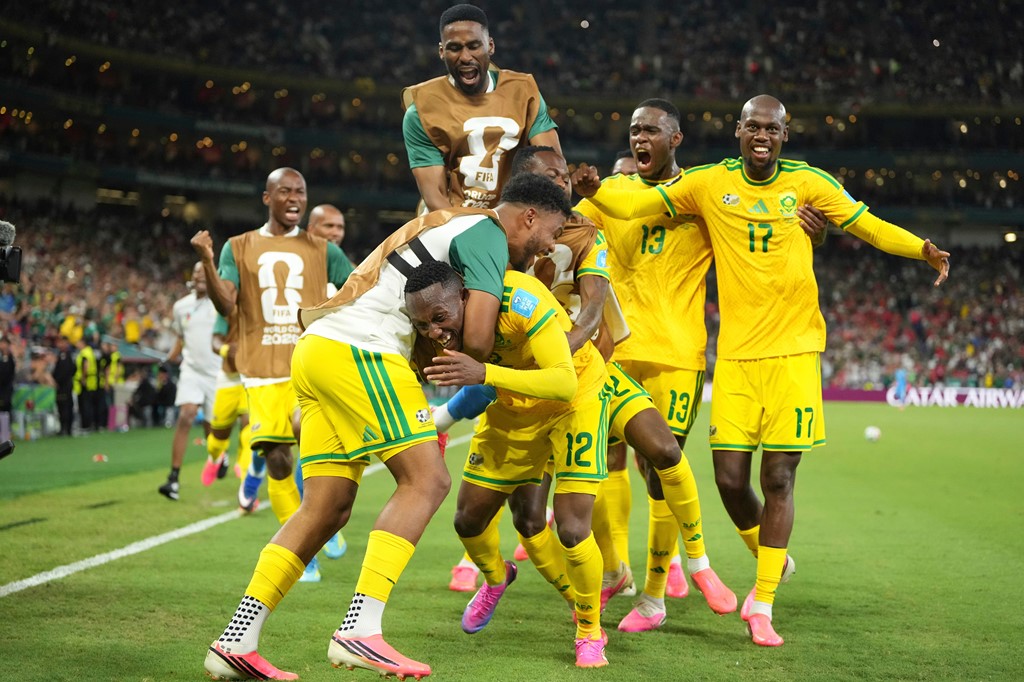
Many analysts believe Africa still battles an invisible psychological barrier. Against fellow African opponents, teams display confidence and attacking ambition. Against European and South American giants, caution sometimes replaces courage. Respect occasionally turns into excessive admiration. This inferiority complex has cost African teams at crucial moments.
World Cup champions are rarely the most talented teams. They are usually the teams with the strongest mentality. Africa must believe it belongs among football’s ruling class, not merely as participants, but as genuine contenders.
There is also politics, officiating and controversial moments, great factors that cannot be wished away.
African football has also endured several controversial World Cup moments. Questions over officiating have followed numerous tournaments. The 2010 Ghana-Uruguay quarter-final remains one of football’s most debated matches.
Cameroon, Nigeria and several other nations have also experienced controversial refereeing decisions over the years.
Even during the ongoing tournament, refereeing discussions resurfaced following Egypt’s elimination and concerns surrounding certain officiating appointments, although FIFA has defended the integrity and independence of its match officials.
Whether justified or not, such incidents continue to fuel African perceptions that crucial decisions often go against the continent.
Although football has become more global, racism has not disappeared. African footballers have endured abuse from sections of supporters, discriminatory treatment and harmful stereotypes. FIFA and continental bodies have strengthened anti-racism campaigns, but implementation remains inconsistent.
The World Cup should represent equality. The beautiful game must continue confronting prejudice wherever it appears.
Several recurring issues continue to limit Africa’s World Cup ambitions: They include administrative instability within football federations, frequent coaching changes before major tournaments, olitical interference, poor grassroots development in several countries, limited investment in sports science and data analysis, inadequate domestic league structures, dependence on foreign-based players with limited preparation time and weak long-term football planning.
Until these structural problems are addressed, Africa may continue producing outstanding players without consistently producing World Cup-winning teams.
There has never been a better opportunity. The expanded World Cup provides greater exposure. African football is attracting more investment. Youth competitions continue producing exceptional talents. More African coaches are earning international recognition. The tactical gap between continents is narrowing.
Morocco’s achievements in 2022 and again in 2026 demonstrate that sustained excellence is possible. One successful nation can inspire an entire continent.
Africa’s next breakthrough will require more than passion. The continent must invest massively in grassroots football, strengthen domestic leagues, improve coaching education, develop modern football infrastructure and encourage continuity in national team management.
There should also be reduce administrative crises, prioritise sports psychology and mental conditioning and protection of football from excessive political interference.
Above all, African teams must approach every World Cup believing they can defeat anyone.
Sixty years after Africa boycotted the 1966 World Cup in pursuit of fairness, the continent now fields 10 representatives on football’s biggest stage. That journey reflects courage, resilience and remarkable progress.
Yet history will ultimately judge African football not by the number of participating teams, but by how far they go. The quarter-finals are no longer enough. Semi-finals should become a regular destination. The final must become attainable.
And one day, perhaps sooner than many expect, the FIFA World Cup trophy may finally make the long-awaited journey to African soil. When that moment arrives, it will not merely crown a football champion. It will complete one of the greatest stories in the history of world football. But first, the mentality must change.