





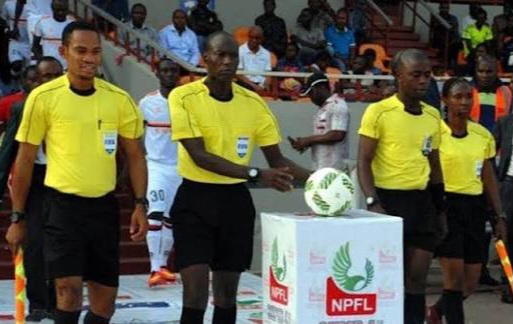
Nigerian football is once again at a defining moment. For decades, stakeholders have complained about poor infrastructure, inadequate funding, questionable officiating, insecurity at match venues, weak commercial structures, and the inability of the Nigeria Premier Football League (NPFL) to compete favourably with the continent’s leading leagues.
Today, the National Sports Commission (NSC), under the leadership of Chairman Mallam Shehu Dikko and Director General Hon. Bukola Olopade, has placed the future of the domestic league at the centre of national discourse.
Their reform agenda, which includes stricter club licensing, improved player welfare and increased government intervention, has generated excitement in some quarters and concerns in others.
The debate is not whether the NPFL needs reforms. Virtually everyone agrees that it does. The real question is how those reforms should be implemented and whether they address the fundamental problems that have held Nigerian football back for decades.
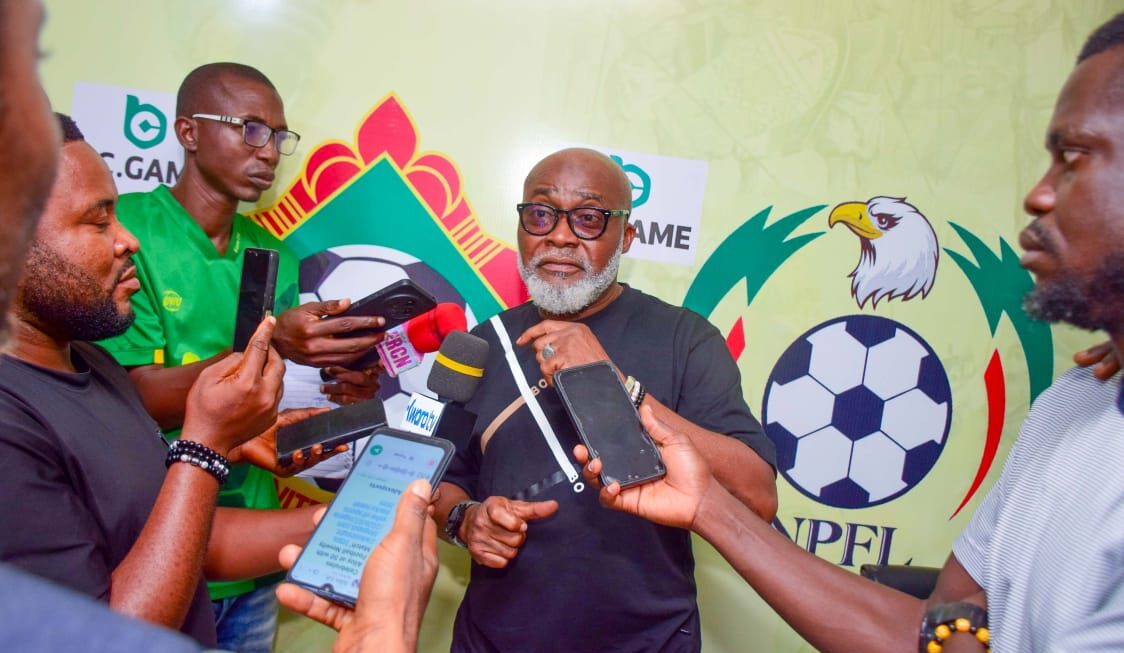
Mallam Shehu Dikko, a former Chairman of the League Management Company (LMC), has strongly defended the Federal Government’s decision to intervene directly in the development of the domestic league.
According to him, government support has been a major ingredient in the success stories of many leading football leagues around the world.
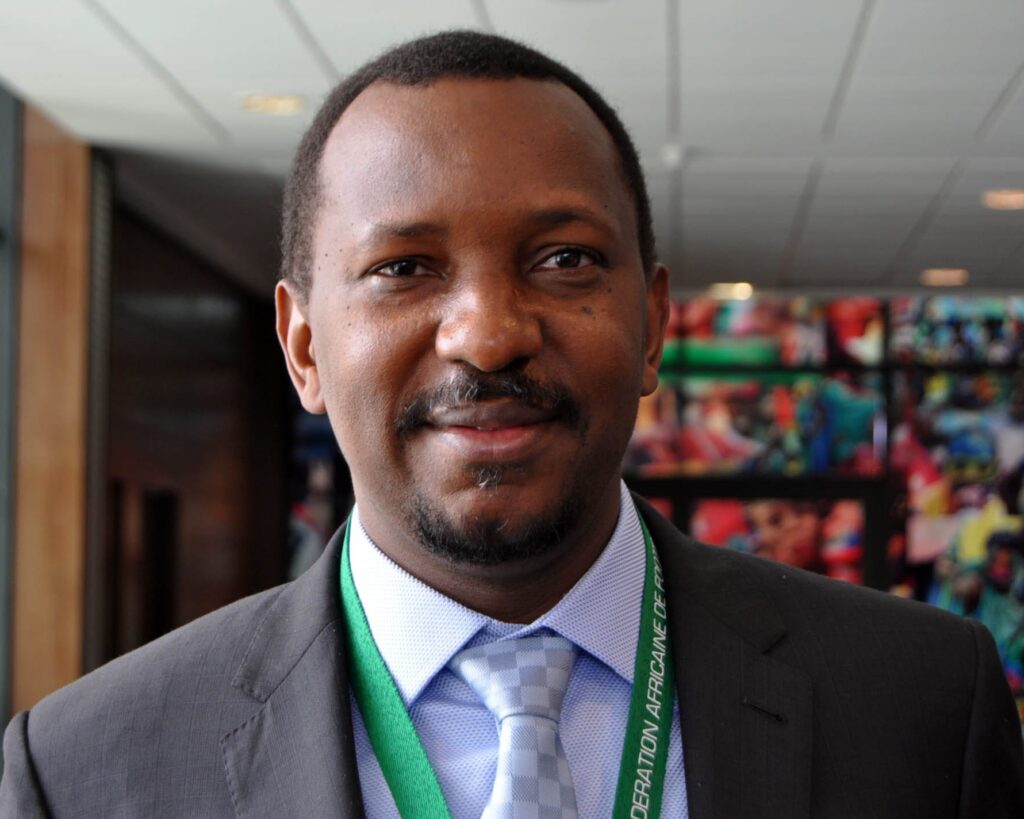
Dikko recalled his years at the helm of the Nigerian league between 2013 and 2022, lamenting the absence of meaningful governmental backing during that period.
His argument is simple: governments everywhere provide enabling environments for sports to thrive. The English Premier League, South African Premiership and Moroccan league all enjoy varying degrees of government support, either directly or indirectly, through infrastructure development, broadcasting arrangements, grants, stadium maintenance and other strategic interventions.
The NSC Chairman believes that if government support could transform football into a major economic contributor in countries such as England, there is no reason Nigeria should not explore a similar path.
The President of the Nigeria Football Federation (NFF), Alhaji Ibrahim Gusau, shares the same sentiment. He recalled instances when potential sponsors were discouraged from supporting the league due to unfavourable attitudes from public officials. For him, a government willing to support football should be encouraged rather than criticized.
From the perspective of NPFL Club Owners, the intervention is equally welcome. Chairman of the NPFL Club Owners Association, Sir Okey Kpaluku, argued that attracting serious private investment becomes difficult when the foundation is weak. Government support, he insists, can help create the environment necessary for commercial growth.
If Dikko is providing the vision, Bukola Olopade appears determined to enforce the standards.

His declaration that “if only five clubs meet the licensing requirements, then only five clubs will play in the 2026/27 season” sent shockwaves across the football community.
The message was unmistakable: Nigerian football can no longer afford to operate below acceptable professional standards.
Olopade’s insistence on stricter licensing is understandable. For too long, clubs have participated in elite competitions despite lacking suitable stadiums, proper administrative structures, medical facilities, youth development programmes and financial transparency.
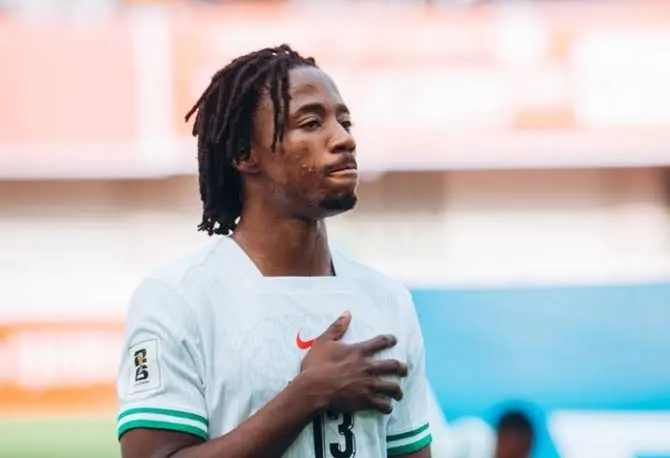
The NSC Director General has also expressed concern about the increasing number of Nigerian footballers moving to leagues in countries such as Benin Republic, Rwanda, Sudan and Vietnam in search of better opportunities.
His argument is that a stronger domestic league should be capable of retaining talent, attracting investment and creating wealth across the football ecosystem.
However, while the objectives are commendable, implementation remains the critical challenge.
Perhaps no aspect of the reform proposals has generated more controversy than the suggestion of a ₦2 million monthly minimum wage for NPFL players.
On paper, better welfare for players is long overdue. Professional footballers deserve decent remuneration, healthcare, insurance and secure working conditions.
Yet many stakeholders question whether Nigerian football is economically prepared for such a significant leap.
Borno State Commissioner for Youth and Sports, Comrade Saina Buba, believes the proposal is detached from present realities.
According to him, football in Nigeria currently functions more as a social service than a fully commercial industry. Most clubs rely heavily on government subventions and struggle to meet existing financial obligations. Some clubs still owe salaries despite operating on far lower wage structures.
Former NFF Technical Committee Chairman, Barrister Christopher Green, shares similar concerns. While applauding the reform agenda, he argues that many state governments are already burdened with responsibilities in education, healthcare, infrastructure and social services.
Expecting them to suddenly finance a ₦2 million minimum wage without corresponding commercial reforms may be unrealistic.
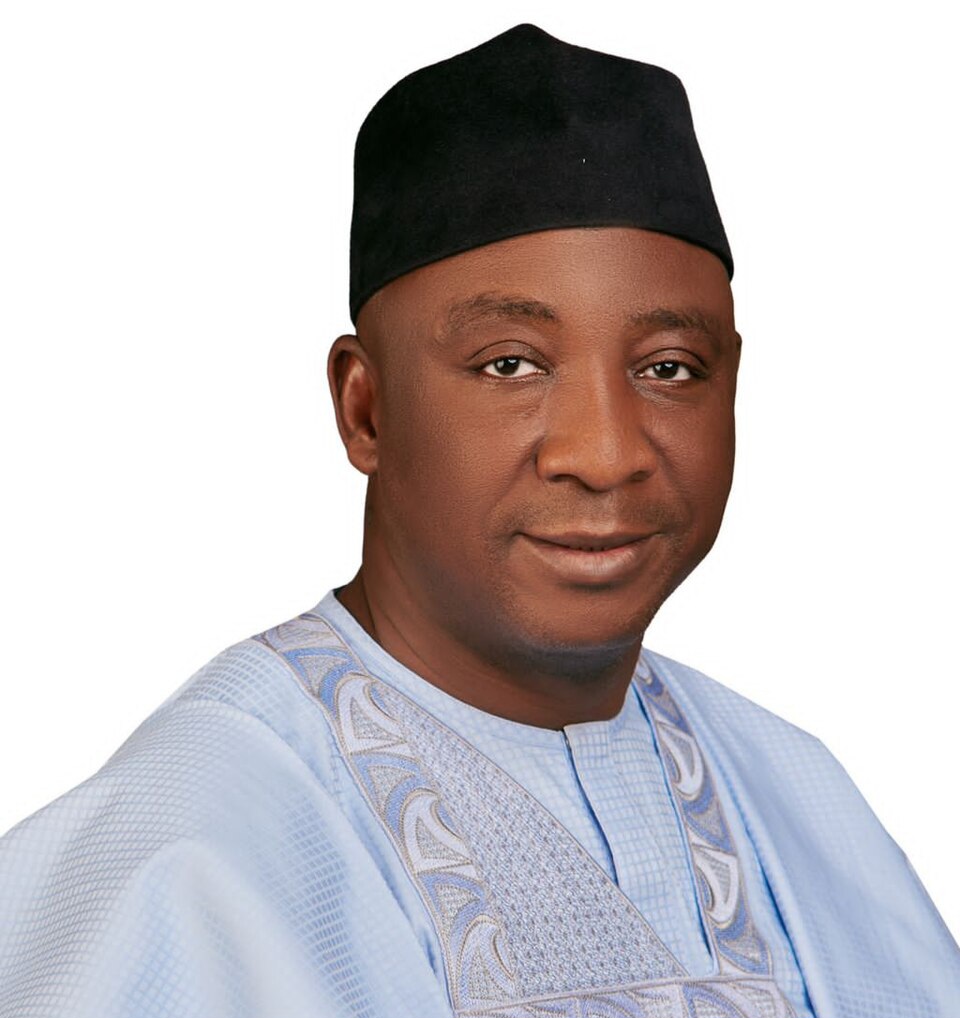
Their concerns expose a fundamental issue: football salaries can only rise sustainably when club revenues increase.
Without stronger sponsorship deals, improved broadcasting rights, merchandising opportunities, ticket sales and private investment, higher wages may become an unsustainable burden.
The greatest danger is allowing the salary debate to overshadow the deeper problems confronting the NPFL. The league’s challenges are systemic and require comprehensive solutions.
Perhaps no issue damages public confidence in the league more than controversial officiating.
The introduction of Video Assistant Referee (VAR) technology in phases, establishment of an independent referees’ assessment panel, improved referee remuneration and continuous training could significantly improve credibility.
Referees who are well trained, properly monitored and adequately compensated are less vulnerable to external influences.
The growing concerns surrounding betting-related activities and match manipulation cannot be ignored. Football loses its essence when results become predictable through illicit means rather than performance on the pitch.
Integrity monitoring systems must be strengthened, suspicious betting patterns investigated, and severe sanctions—including lifetime bans—imposed on proven offenders.
A professional league cannot thrive in dilapidated facilities. Many clubs still play in venues that fall short of CAF and FIFA standards.
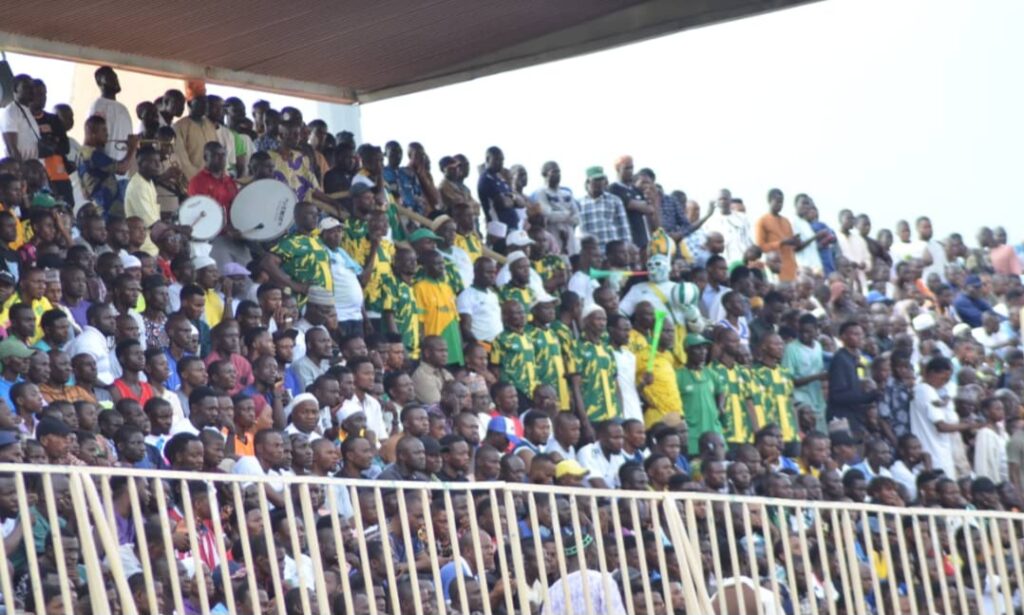
Government intervention should prioritise stadium upgrades, improved playing surfaces, floodlights, dressing rooms, media facilities and medical centres.
Quality infrastructure enhances player performance, fan experience and television production value. Also, crowd violence remains one of the biggest threats to Nigerian football. Several clubs have suffered sanctions due to unruly supporters, while match officials and visiting teams occasionally face intimidation.
Enhanced security measures, modern crowd-control systems and effective supporter education programmes are essential. Football should be a family-friendly entertainment product.
A league that is not visible cannot attract significant investment. The NPFL has made progress in television coverage compared to previous years, but there remains enormous room for improvement.
Expanded broadcasting partnerships, digital streaming platforms and improved production quality would increase visibility and create additional revenue streams.
The overwhelming dependence on government ownership remains a major obstacle. Most successful leagues across the world thrive on private investment, corporate governance and business-oriented management.
Encouraging private ownership while maintaining accountability could help reduce political interference and improve efficiency. Nigeria remains one of the world’s richest football talent pools. However, many clubs still lack functional youth development structures.
Strict enforcement of youth development requirements through club licensing would strengthen the talent pipeline and reduce dependence on external academies.

One criticism that has gained traction among stakeholders is the perception that some reforms were announced without adequate consultation.
The apparent silence from the NPFL Board and Club Owners on certain proposals has fuelled speculation that critical stakeholders were not fully carried along. Successful football reforms require collective ownership.
Players, coaches, administrators, club owners, supporters, sponsors, broadcasters and regulators must all participate in shaping the future of the game. Consensus-building may take longer, but it often produces more sustainable outcomes.
The NPFL has undoubtedly made progress in recent years. Sponsorship deals have improved, television coverage has expanded, disciplinary measures have become stricter, and administrative structures are gradually becoming more professional. Yet, the league remains far from where it should be.
The aspiration to become one of Africa’s top three leagues within the next decade is achievable, but only through consistent reforms, stakeholder cooperation and long-term planning.
The future of the NPFL will not be determined by a single policy announcement or a dramatic salary increase. It will depend on integrity, professionalism, infrastructure, financial sustainability, fan confidence and effective governance.
Government intervention can provide the spark. Strong regulation can establish standards. Better welfare can motivate players. But lasting transformation will only come when reforms address the league’s underlying structural weaknesses.
Nigeria does not need a short-term revolution driven by headlines. It needs a carefully executed football development strategy capable of transforming the NPFL into a league that players want to stay in, sponsors want to invest in, broadcasters want to showcase, and supporters can proudly celebrate.
The conversation has begun. The challenge now is ensuring that ambition is matched by realism, consultation and a long-term commitment to genuine reform.