






The story of football development in Kwara State is being rewritten, boldly and deliberately, through what many stakeholders now describe as an unprecedented partnership between the Kwara State Football Association, Stafolga Group, and FlowFM 92.7.
At the heart of this transformation lies a ₦50 million, three-year sponsorship deal tied to the State FA Cup, Nigeria’s oldest and most prestigious grassroots football pathway. More than just a financial agreement, it is a strategic intervention that signals a new era of structure, sustainability, and ambition for grassroots football in Kwara.
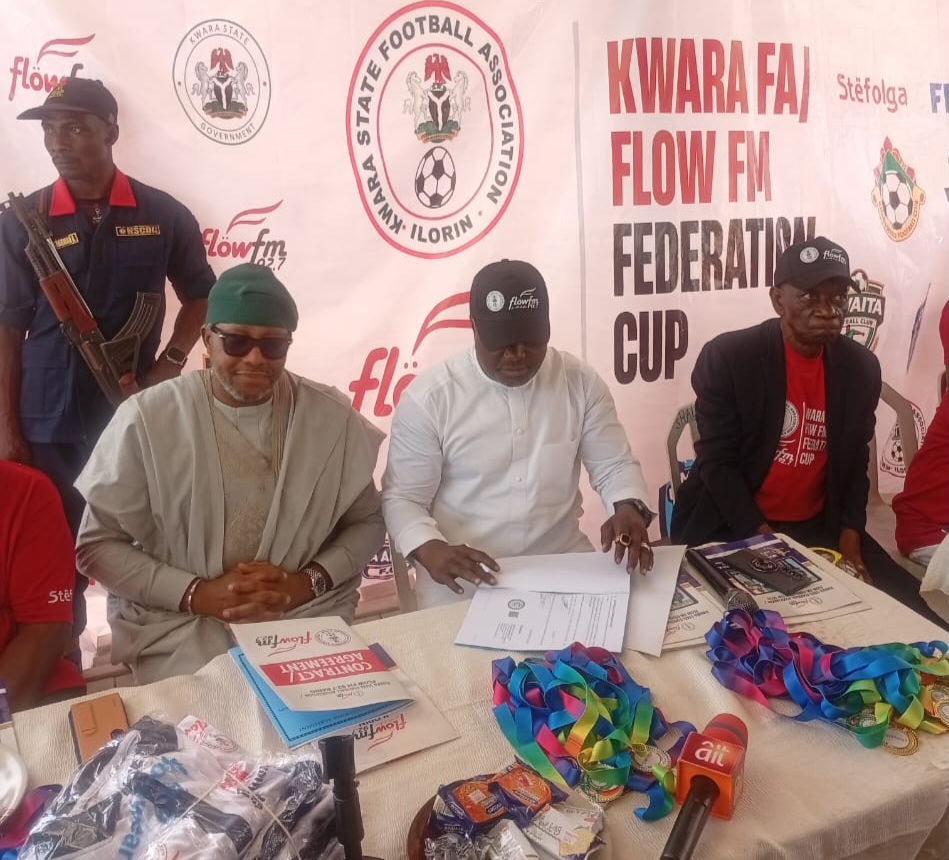
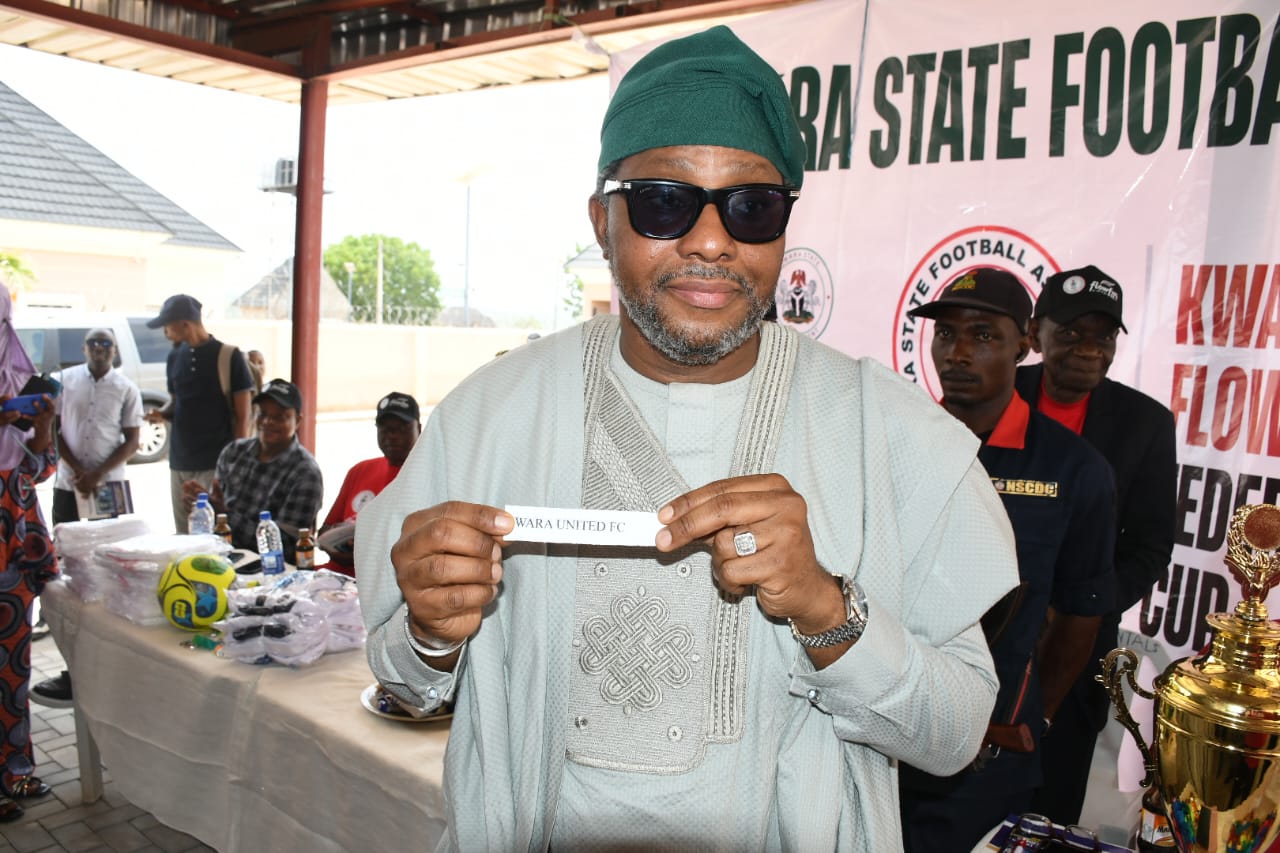
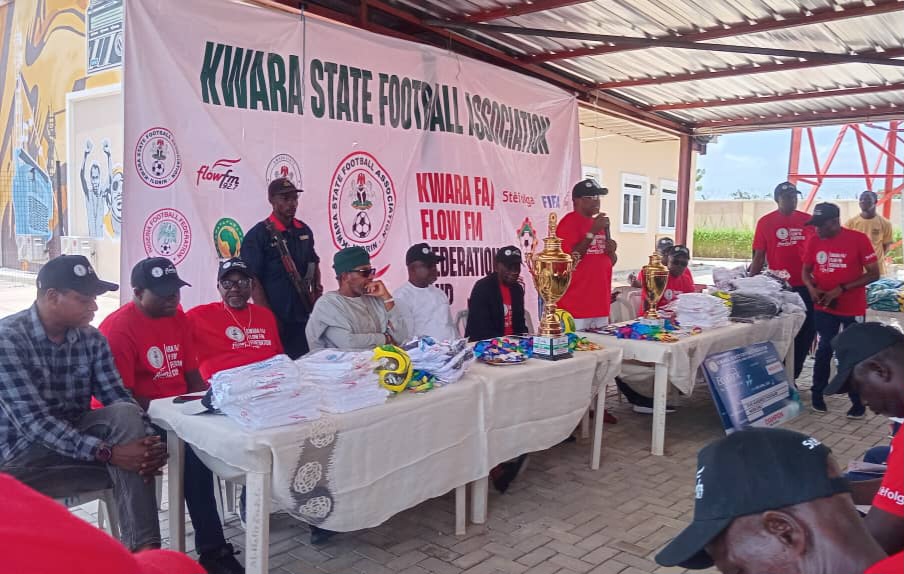
The partnership, formalised on Tuesday April 14, 2026, is widely regarded as one of the most significant private-sector investments in Kwara’s football ecosystem in recent years.
Valued at ₦50 million over three years, the deal provides financial stability for multiple editions of the State Federation Cup, ensuring better planning, improved logistics, and enhanced incentives for participating clubs.
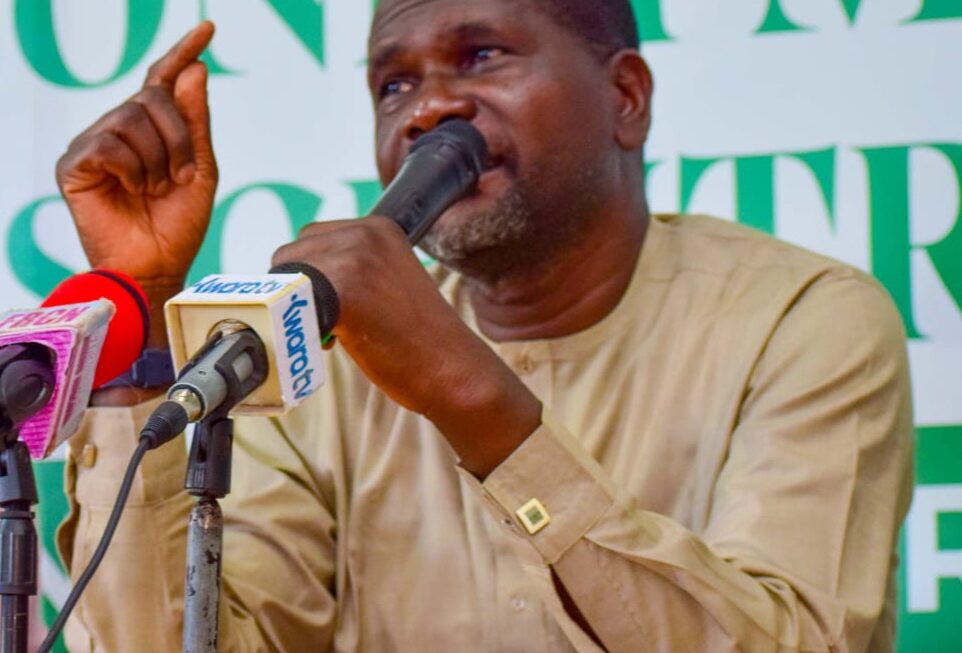
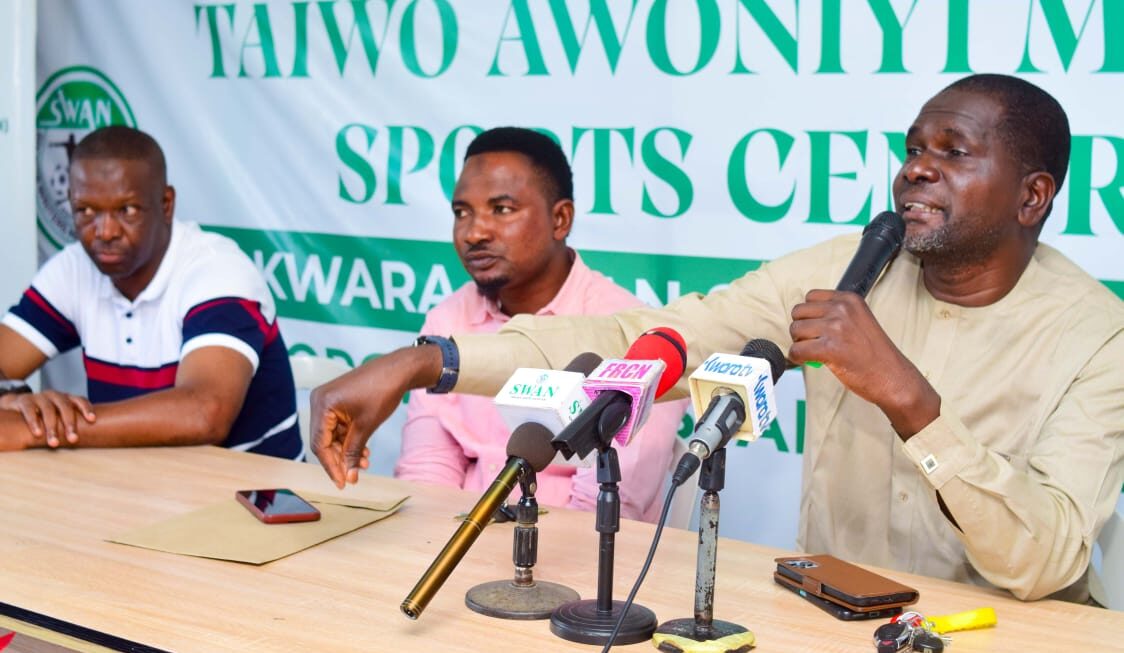
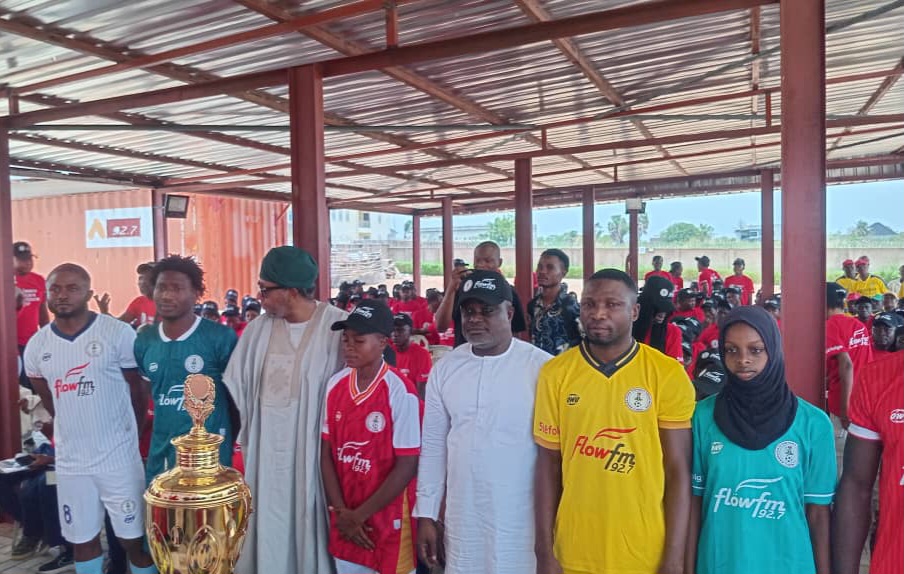
The official ceremony took place at the headquarters of Flow Arabia FM in Ilorin, and was attended by key stakeholders in the sports sector.
For a competition that has historically battled funding and organisational challenges, this agreement represents a turning point. It moves the tournament from survival mode into a phase of intentional growth and professionalism.
To fully appreciate the weight of this partnership, one must understand the legacy of the competition it supports.
The Nigeria President Federation Cup, formerly known as the FA Cup and Challenge Cup—dates back to the 1940s and remains Nigeria’s premier knockout football tournament.
At the state level, competitions like the Kwara FA Cup serve as qualifiers into this national showpiece, offering clubs from all tiers, professional, amateur, and academy sides a pathway to national recognition.
The Kwara State Football Association (FA) was formally inaugurated in 1973, ushering in a new era for the structured development of football in the state. At the helm of affairs was the pioneer Chairman, Alhaji Uthman S. Mustapha, who served from 1973 to 1975 and laid the groundwork for the Association’s growth.
Before its formal establishment, organized football in the state revolved around competitions between Ilorin and Offa Divisions. This early contest, which later evolved into the State Challenge Cup, dates back to 1969, shortly after the creation of Kwara State in 1967.
By 1975, the FA expanded the scope of the competition, bringing in more clubs and raising the level of participation. Teams such as Midland FC, Water Corporation FC, and Tate & Lyle FC became prominent contenders, reflecting the increasing appeal of the game across the state.
Kwara’s footballing progress soon found expression on the national stage. In 1976, Alyuf Salam Rocks FC made history by reaching the final of the National Challenge Cup. Though they suffered a 2–0 defeat to Rangers International of Enugu, their remarkable run remains a defining moment in the state’s football history.
Over the years, the competition has featured several notable teams, including Super Pioneers, Jebba Pioneers, Super Stars FC, Kwara Breweries FC, Doyin Babes, NIPOST FC, Okin Biscuits FC, Keshavan FC, Sportspro FC, Dskaborg FC, Offa United, and Young Stars FC. Though many are now defunct, their legacy continues to shape the story of football development in Kwara State.
In Kwara, the competition has consistently produced moments of history. The triumph of Kwara United FC in the 2025 national Federation Cup, a first major trophy in nearly three decades underscored the importance of a well-structured state competition as a launchpad for success.
What makes the Kwara FA–Stefolga–FlowFM deal unique is not just the financial commitment, but its multi-dimensional structure:
First, the financial backing meets media power. Unlike traditional sponsorships, this partnership integrates funding with broadcasting. FlowFM’s role as both sponsor and media partner ensures consistent coverage, storytelling, and audience engagement, key elements often missing in grassroots competitions.
Second;y, it’s a private sector driving football policy. The involvement of Stafolga Group reflects a growing trend where private enterprises are not just supporting but actively shaping grassroots sports development strategies. The third aspect is the long-term commitment. A three-year deal offers continuity, something rare in grassroots football administration, allowing for planning, branding, and progressive improvement.
The short-term gains include immediate impact on the competition. The effects of the partnership are already evident and expected to deepen in the coming editions, with improved organisation through better scheduling, officiating, and matchday coordination. Enhanced incentives, which includes increased prize money and rewards for teams, boosting competitiveness. Greater visibility, player motivation in terms of exposure, which creates pathways for scouting and career advancement.
For players and local clubs, the FA Cup is no longer just a tournament, it is becoming a platform.
In the long run, the benefits will entail building a sustainable football ecosystem. Beyond immediate improvements, the real value of the partnership lies in its long-term implications.
Talent development pipeline, a more competitive and visible FA Cup strengthens the scouting ecosystem, feeding talents into clubs, academies, and even national teams.
Others are economic stimulation, institutional strengthening and community engagement. Football, as an ever-growing entertainment industry, has become a unifying force, bringing together communities, fans, and stakeholders across the state.
At a time when grassroots football across the country faces funding gaps and structural inconsistencies, this model demonstrates that sustainable progress lies in collaboration between football authorities, private investors, and media platforms.
It also aligns with the broader philosophy behind institutions like the Kwara Football Academy, which emphasise structured talent development as a tool for youth empowerment and global competitiveness.
The partnership is more than a sponsorship, it is a statement of intent. It reflects a belief that grassroots football, when properly funded, professionally managed, and strategically promoted, can become a powerful engine for talent discovery, economic growth, and social cohesion.
For Kwara State, the FA Cup is no longer just a competition.
It is now a project, a vision, and perhaps, the foundation of a football revolution.
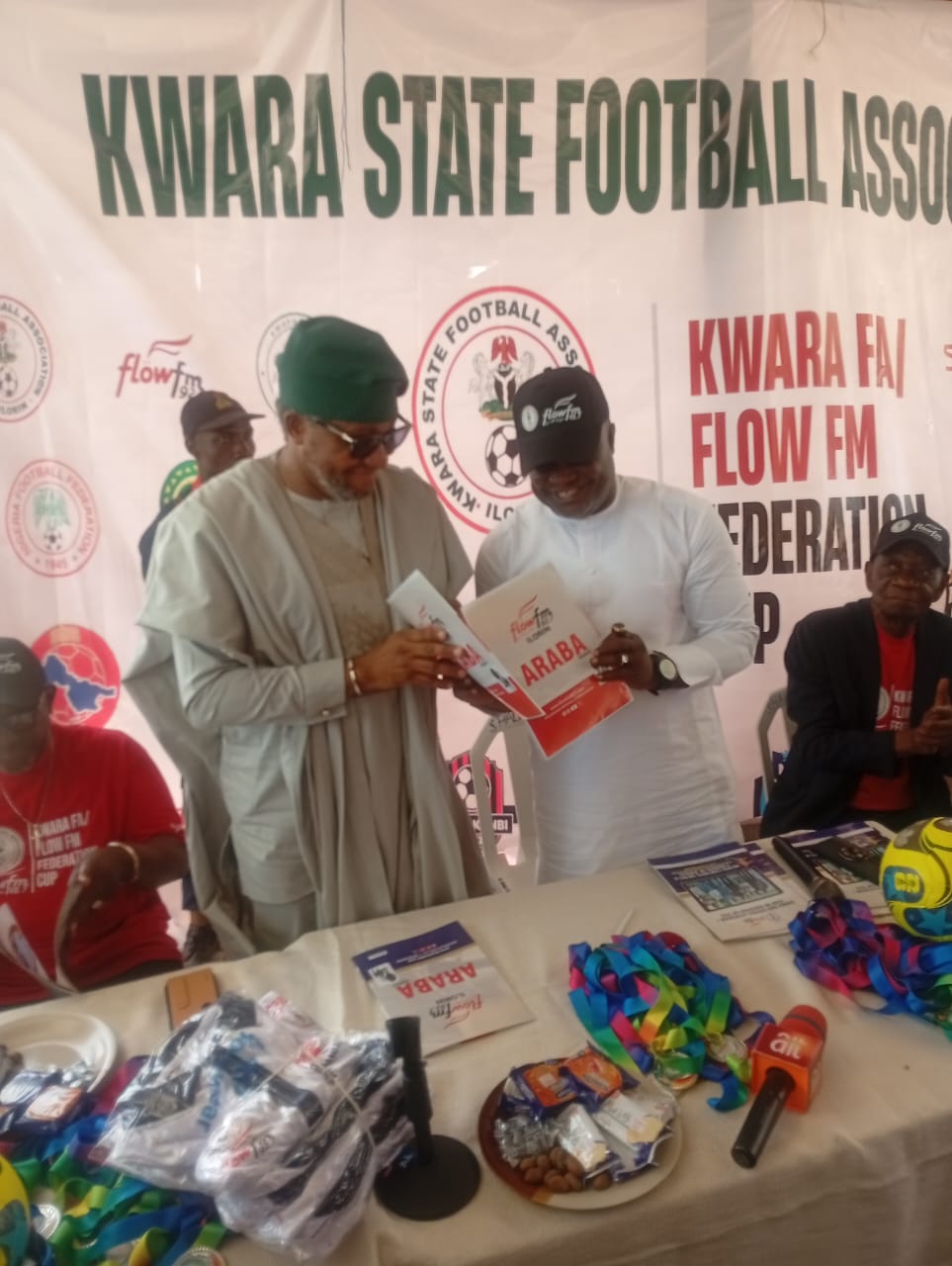
Engr. Femi Sanni Araba has no doubt, sets new record in Kwara football with the groundbreaking sponsorship.
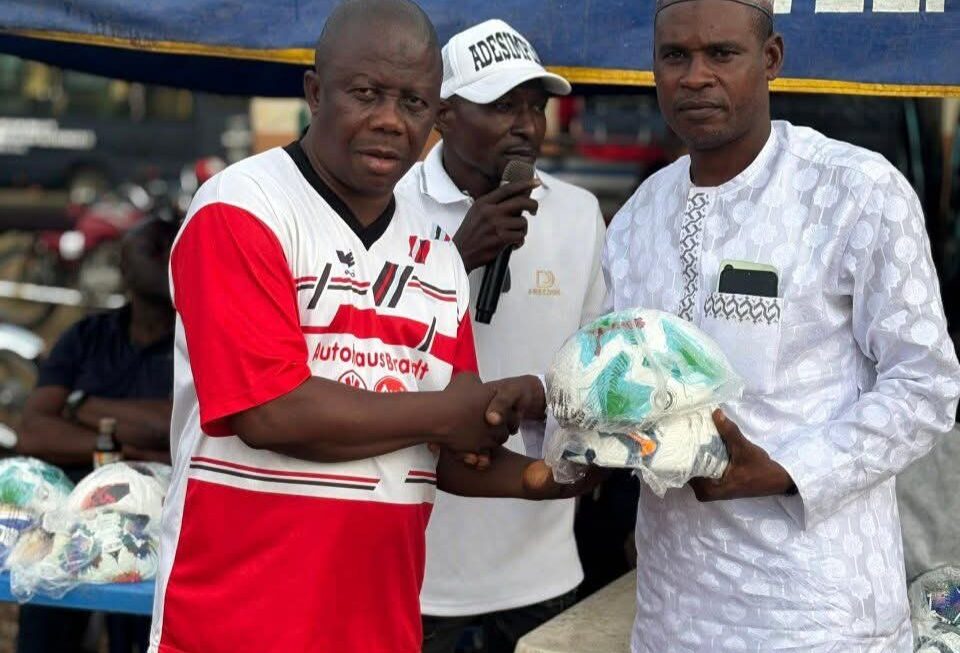
The historic sponsorship signing ceremony on Tuesday, marked a significant milestone in grassroots football development in Kwara State. He is recognized as the first indigenous sponsor to fully support the competition with complete football kits, including jerseys for all the participating teams, trophies, medals, and cash prizes for winners, runners-up, and third-place teams in both men’s and women’s categories.
Engr Sanni, with the sponsorship, projected the image of a committed investor, motivator, and long-term stakeholder in grassroots football development.
He described the ₦50 million deal as more than just sponsorship, calling it the beginning of deeper engagement in sports development in Kwara State. He assured stakeholders that the partnership would not end with the Federation Cup, but would open the door for further interventions in the football ecosystem.
He openly commended Governor AbdulRahman AbdulRazaq for creating an enabling environment for sports growth, aligning his private-sector support with the government’s broader developmental agenda.
Beyond formal remarks, Engr Sanni came across as a passionate advocate for grassroots football, reinforcing his reputation as someone deeply invested in nurturing young talents and strengthening local competitions.
Addressing participating teams and officials, he emphasized the need for discipline, sportsmanship, and fair play, urging all stakeholders to uphold the integrity of the competition.
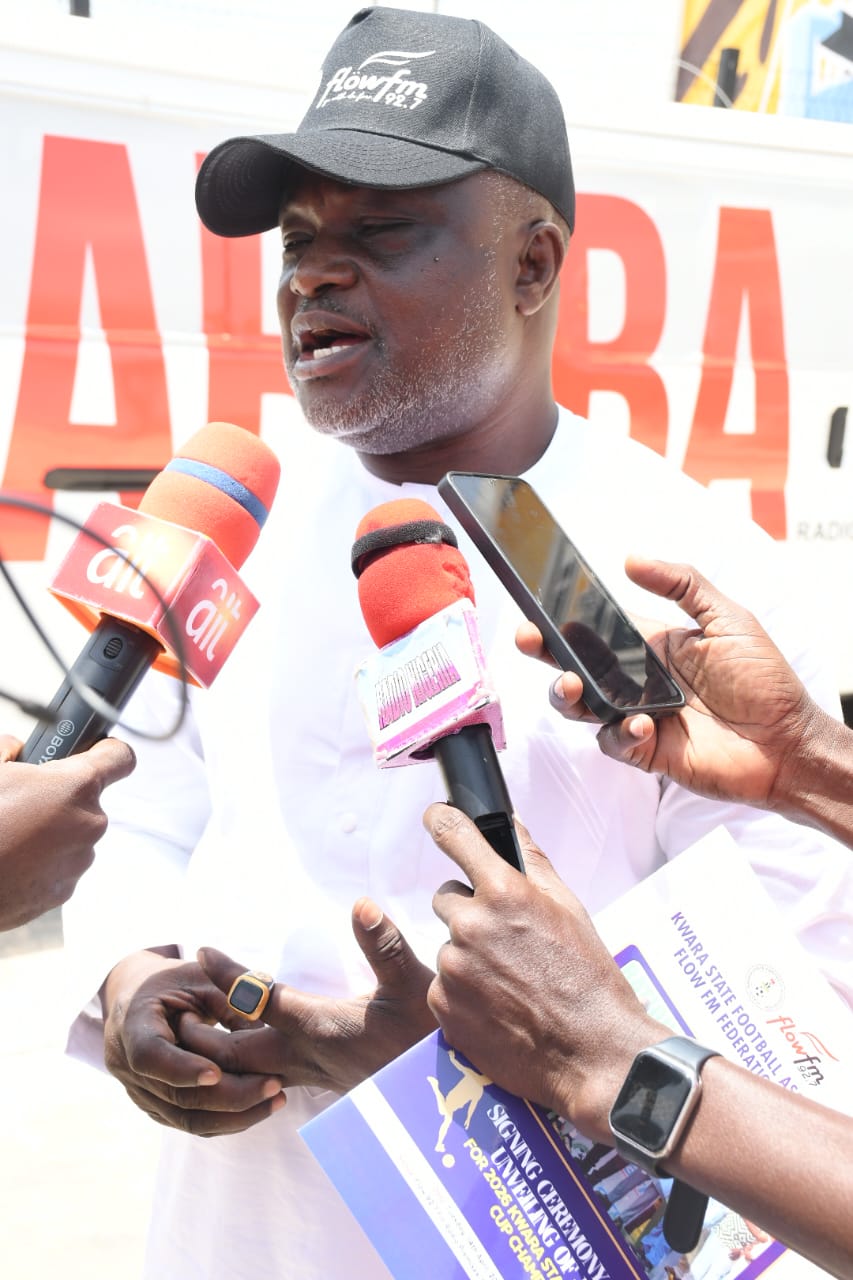
His remarks also reflected a personal attachment to the state’s football fortunes, as he offered prayers and support for Kwara United’s success, further underlining his emotional and strategic investment in the game.
His reactions combined optimism, responsibility, and ambition, positioning the deal not just as a financial boost, but as a turning point for structured, private-sector-driven football development in Kwara State.
In his reactions, the Kwara State FA Chairman, Alhaji Idris Abdullahi Musa Thuraya, reflected gratitude, strategic vision, and a strong push for sustained football development.
Thuraya was emphatic in commending Engr. Femi Sanni (Araba) for his consistent support and investment in Kwara football. He acknowledged Sanni’s role in the recent successes recorded within the state’s football ecosystem, describing him as a key driver of progress.
He went further to highlight that such private-sector backing has been instrumental in elevating the standard of competitions and supporting achievements like Kwara United’s successes.
In his address, the FA Chairman stressed the urgent need for continuous sponsorship and wider stakeholder participation to grow football in the state. He made it clear that partnerships like this are not optional, but essential for building a sustainable football structure.
Thuraya expressed confidence that the ₦50 million, three-year deal would improve organisation, competitiveness, and overall quality of the Kwara Federation Cup. He noted that better funding would translate into improved logistics, incentives, and exposure for participating teams.
A major highlight of his reaction was his belief that the sponsorship would revive the Federation Cup as a platform for discovering and nurturing young talents, reinforcing its traditional role in grassroots football development.
Beyond appreciation, he urged clubs to take advantage of the registration window and actively participate, positioning the competition as a key opportunity for growth and visibility.
His reaction combined gratitude, strategic intent, and a rallying call, framing the partnership as a crucial step toward a more structured, competitive, and sustainable football system in Kwara State.