



Hameed Adio: From sprinting glory to Sports Administration — A life of service
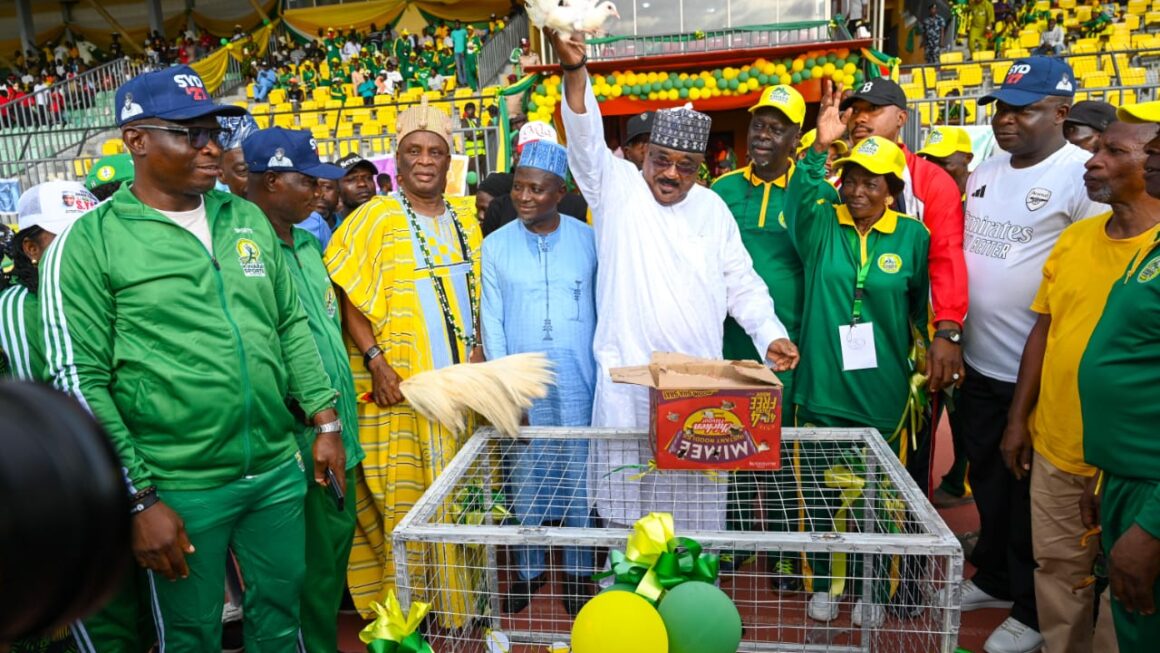
The eighth edition of the Kwara State Sports Festival, KWAFEST 2026, is not just another sporting competition.
Beyond the medals, records, rivalry and excitement that will characterise the festival, there is a deliberate attempt to connect the present generation of athletes with those whose sacrifices and accomplishments helped to lay the foundation for sports development in Kwara State and Nigeria.
Scheduled for Friday, August 21 to Friday, August 28, 2026, at the George Agbazika Innih Stadium Complex, Ilorin, the festival provides an opportunity to celebrate sporting talents of today while reminding young athletes that greatness is built through discipline, commitment, sacrifice and service.
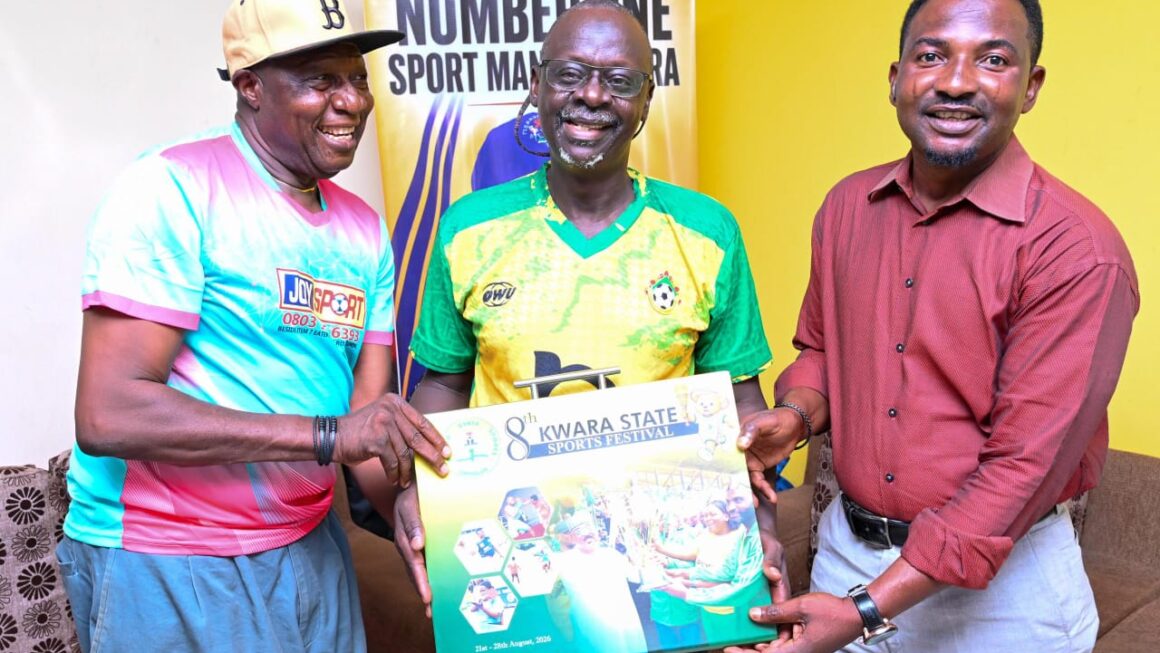
That philosophy is reflected in the composition of the Local Organising Committee (LOC), where some respected veterans of Nigerian sports have been brought back by the Sports Commission, into the system to contribute their experience and knowledge.
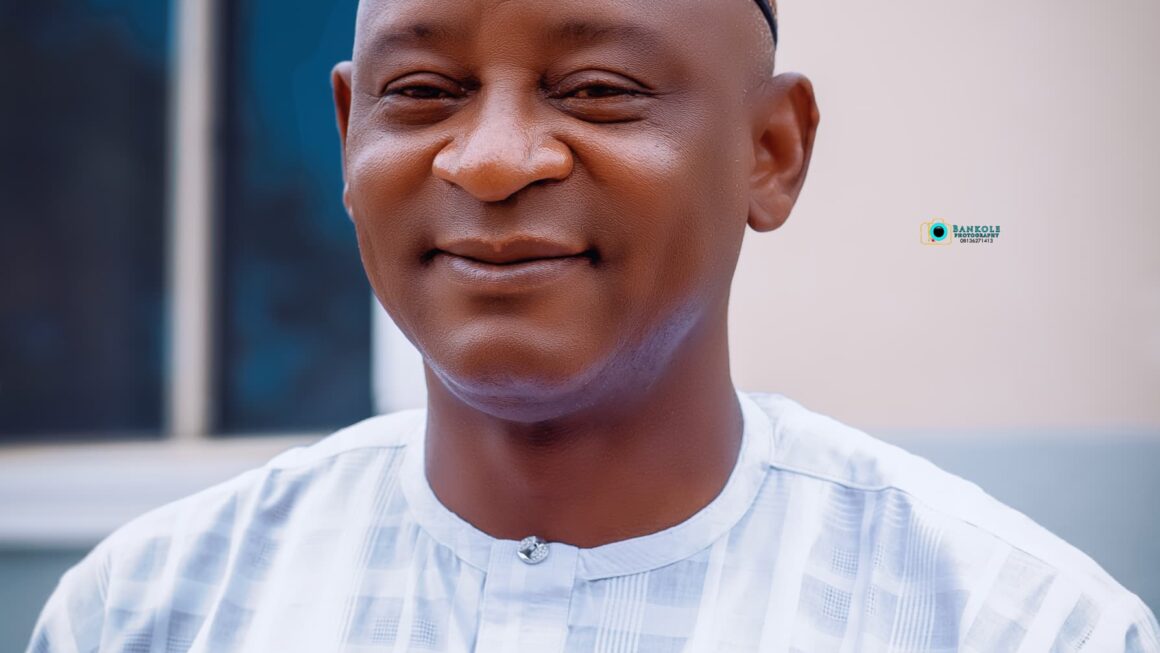
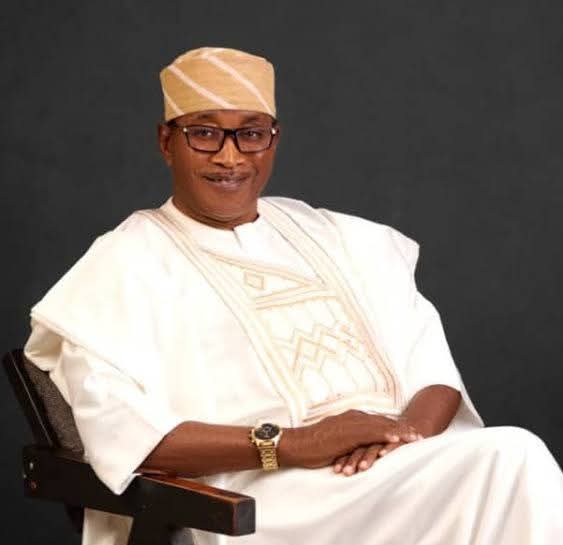
One of the most outstanding personalities in that category is Alhaji Hameed Adio, a man whose life represents a remarkable journey through virtually every important layer of sports, from the track to international competition, sports journalism, broadcasting, administration and sports governance.
His presence in the KWAFEST 2026 LOC therefore, carries significance far beyond membership of a committee. It represents a bridge between generations.
Born on January 20, 1955, Hameed Adio emerged early as one of the most promising athletes produced by Kwara.
As a secondary school athlete, he gained recognition as the fastest schoolboy sprinter in the state, setting a 100-metre record that stood for decades. His speed and natural talent soon took him beyond the boundaries of Kwara, eventually establishing him as one of the notable sprinters of his generation.
At the University of Lagos, Adio continued his dominance, becoming a leading sprinter in Nigerian university athletics and competing successfully at the Nigerian Universities Games Association (NUGA) level.
His versatility was equally remarkable. He competed in the 100m, 200m, 400m and 4x100m relay, recording personal bests of 10.3 seconds in the 100m and 20.8 seconds in the 200m.
But perhaps one of the biggest highlights of his athletic career came in 1980, when he was entrusted with the responsibility of serving as Team Nigeria Captain at the Moscow Olympic Games.
For a young athlete from Kwara to rise to the point of leading Nigeria’s track and field contingent at the Olympic Games was not merely a personal achievement. It was a statement about the quality of talent that existed, and still exists, in the state.
For many athletes, retirement from active competition marks the end of their involvement in sports. For Adio, it was the beginning of another chapter.
He moved into broadcasting and journalism, rising through the ranks of the Nigerian Television Authority (NTA) to occupy senior executive positions, including General Manager at several stations, among them NTA Abuja.
His understanding of sport from the perspective of an athlete gave him an unusual advantage as a broadcaster and sports journalist. He was not simply reporting competitions; he understood the preparation, pressure, sacrifice and emotions behind them.

Over the years, he covered major international sporting events, including Olympic Games, Commonwealth Games and African Nations Cup competitions.
In Kwara, his influence was also felt within the sports journalism community. He served two terms as Chairman of the Sports Writers Association of Nigeria (SWAN), Kwara State Chapter, while remaining connected with veteran journalists through the National League of Veteran Journalists (NALVEJ).
His transition from athlete to journalist demonstrated an important lesson for young sportsmen and women. A sporting career does not have to end when competitive activity ends.
The experience acquired on the field can become a foundation for another career in journalism, administration, coaching, governance, broadcasting or mentorship.
Adio’s contribution to sports and public life did not stop at athletics and journalism.
He was appointed Honourable Commissioner for Information, Youth, Sports and Culture in Kwara State, giving him the opportunity to participate directly in policymaking and governance.
He also served as Director of Sports at the Kwara State Sports Council and later became Vice President of the Athletics Federation of Nigeria (AFN).
At another level, he was appointed Chairman of the Governing Board of the Kwara State Television Authority (KWTV), further demonstrating the confidence placed in his administrative experience.
His involvement in sports governance has also extended beyond Nigeria. In 2024, he was selected as one of a 13-member elite think-tank of the Federation of African University Sports (FASU), tasked with contributing to the organisation of the landmark African Universities Games in Lagos.
It is a journey that tells its own story: athlete, Olympian, journalist, broadcaster, administrator, policymaker and sports governance figure.
Against this background, Adio’s inclusion in the KWAFEST 2026 LOC should be viewed as more than an administrative appointment. It is an opportunity to bring institutional memory into a sporting environment dominated by young athletes.
Every competition produces winners and losers. But a sports festival should also produce inspiration.
The young athletes participating in KWAFEST 2026 will see the facilities, compete against their peers, chase medals and dream of representing Kwara and Nigeria at bigger competitions.
What they may not always see is the long road that previous generations travelled to create opportunities for them. That is where personalities such as Adio become important.
His story demonstrates that an athlete can move from the starting blocks to the Olympic Games, from the playing field to the newsroom, from broadcasting to government and from administration to mentorship, without losing connection with sport.
Adio’s story also carries a powerful message about preparation for life beyond active sports.
The reality of competitive sport is that no athlete remains at the peak forever. Careers have different lengths, injuries can occur, records can be broken and younger generations will eventually emerge. The challenge, therefore, is for athletes to develop themselves beyond their immediate sporting careers.
Education, communication, leadership, administration and professionalism can provide pathways into the next stage of life. Adio’s career embodies that transition.
His induction into the University of Lagos Sports Hall of Fame, recognition as a Fellow of the Institute of Corporate Administration (FICA), and membership of both the Nigerian and World Olympians Associations further underline the breadth of his contribution.
But perhaps, his most important legacy is the opportunity to inspire those coming behind him.
The decision to involve veterans in the organisation of KWAFEST 2026 offers the state a chance to turn the festival into more than an annual competition. It can become a living classroom.
Young athletes can learn from those who have competed at the highest level. Coaches can draw from decades of experience. Administrators can benefit from institutional knowledge, while the veterans themselves can continue giving back to the system that helped shape their lives.
For Kwara, which has produced generations of athletes and sports administrators who have represented Nigeria with distinction, such a connection is particularly important.
The stories of the state’s sporting pioneers should not remain confined to archives or memories. They should be brought into the presence of young athletes. That is why the presence of Hameed Adio and other veteran sports personalities in the KWAFEST 2026 LOC matters.
It sends a simple but powerful message to the athletes who will assemble in Ilorin: You are not starting from zero. There are people who have walked this road before you, and their experiences can help you travel further.
KWAFEST 2026 can therefore serve as a meeting point between generations. The veterans bring experience. The young athletes bring energy, ambition and fresh dreams. The challenge is to ensure that the two meet.
For Hameed Adio, whose journey has taken him from the sprint tracks of Kwara to the Olympic Games, national broadcasting, public administration and sports governance, the opportunity to serve on the KWAFEST 2026 LOC offers yet another platform to give back. His story is ultimately not just about medals, records or appointments. It is about continuity. It is about demonstrating that sporting success can become a platform for leadership and service.
And, perhaps most importantly, it is about showing the next generation that the greatest athletes are not remembered only for how fast they ran or how many medals they won, but also for what they did with their experience after the applause had faded.
As KWAFEST 2026 gets underway in Ilorin beginning from tomorrow, the presence of veterans like Hameed Adio provides a timely reminder that the future of Kwara sports can be brighter when yesterday’s champions are allowed to inspire tomorrow’s stars.