







For decades, Kwara State enjoyed a reputation as one of Nigeria’s most football-friendly environments, a breeding ground for talent, a hub for competitions, and a state where the round leather game thrived with institutional backing.
From grassroots tournaments to elite competitions, Kwara symbolized opportunity. Today, however, that once “conducive environment” is increasingly under scrutiny, as mounting challenges threaten to erode the very foundation of football development in the state.
At the heart of the concern is a stark contradiction. Despite the perception of a supportive ecosystem, football teams in Kwara are struggling to stay afloat.
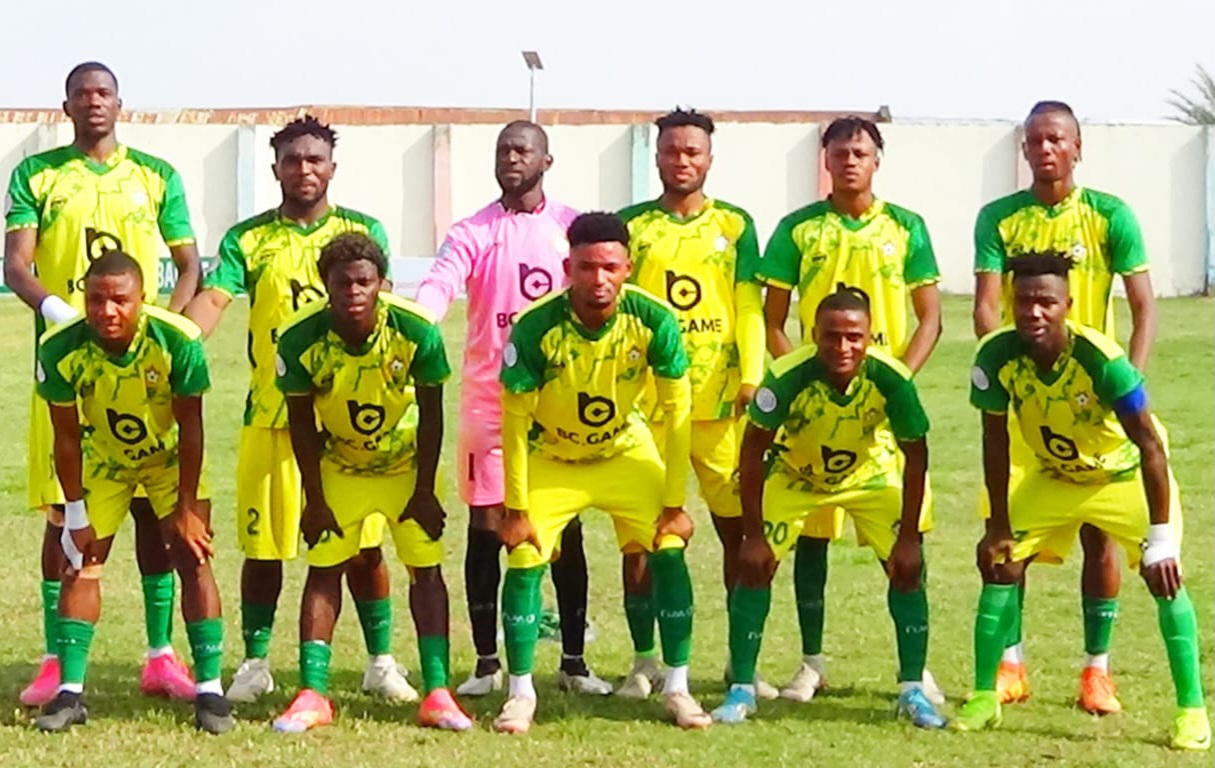
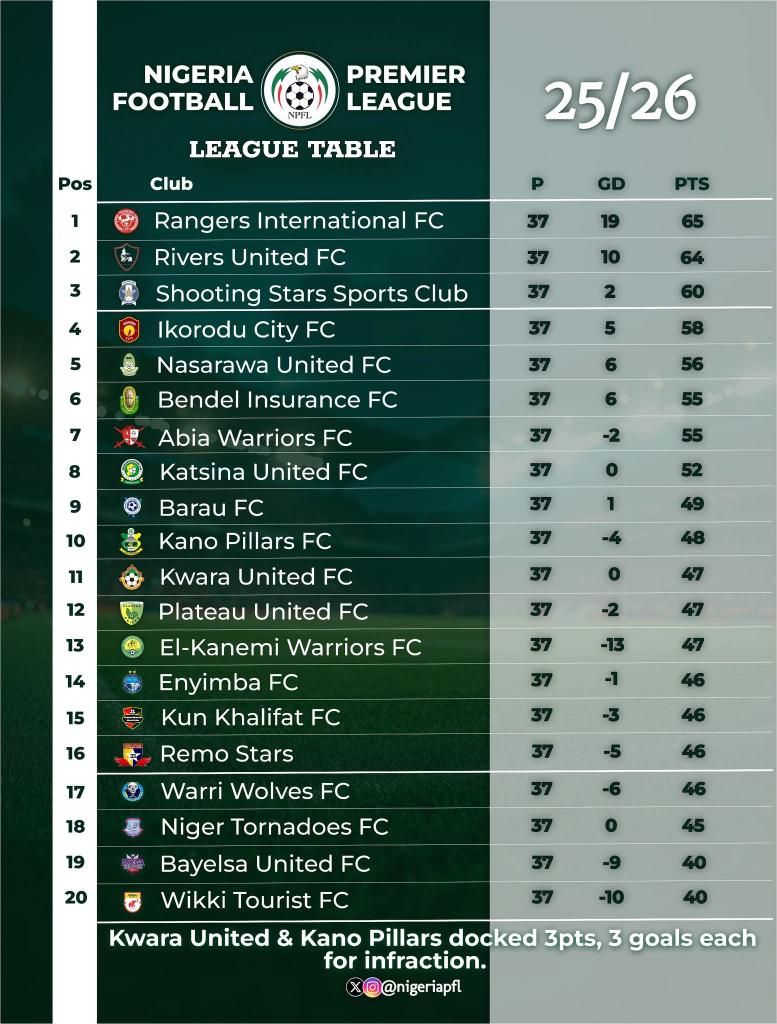
The state’s flagship side, Kwara United, has endured a difficult run of form, battling inconsistency and flirting dangerously with relegation. Similarly, Abubakar Bukola Saraki Football Club, once a symbol of youth development and grassroots excellence, has not been spared, as it faces its own share of challenges and uncertainty.
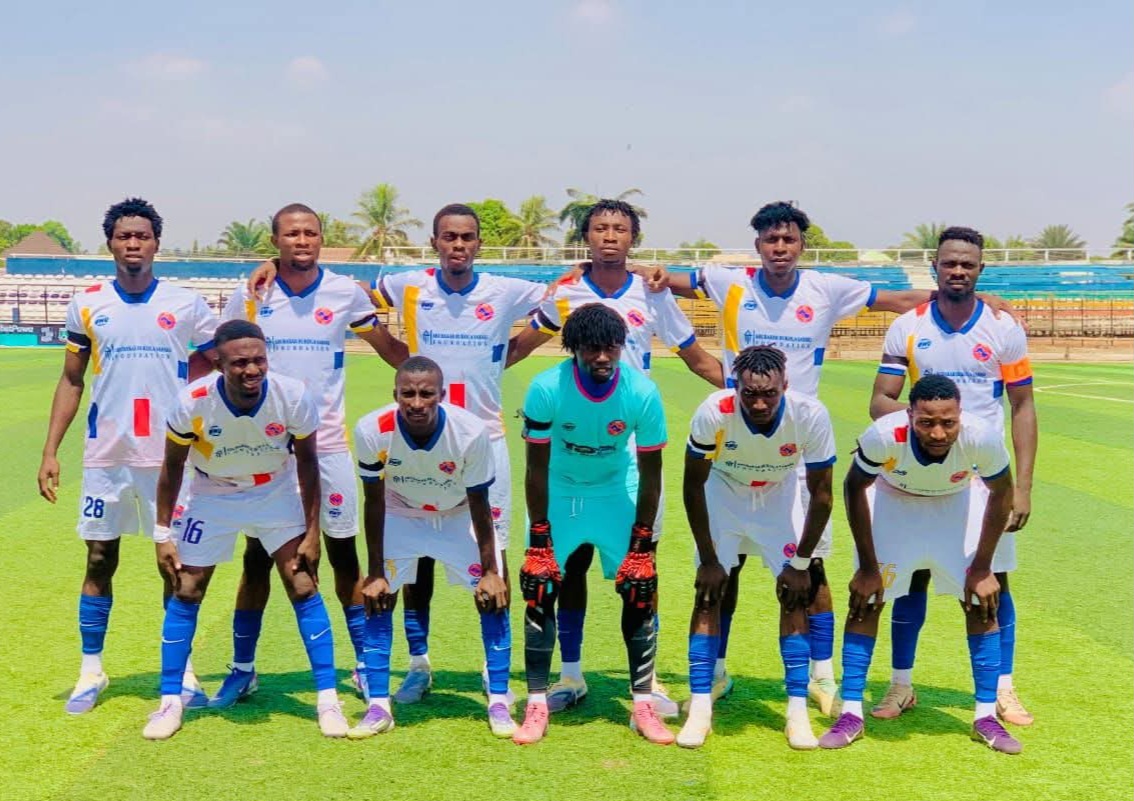
These struggles raise a critical question: How can teams falter so badly in what is often described as a conducive football environment?
Kwara United and ABS FC found it difficult to get it right in their traditional venue which was once a fortress. Both teams had to survive relegation away from home this season. Their home ground is now toxic, highly toxic.
ABS FC recorded strings of poor results which nearly got them relegated, especially in the second round of the season. They had to condemn Sokoto United to a 0-1 defeat in far away Sokoto in the very last match of the season, to escape relegation.
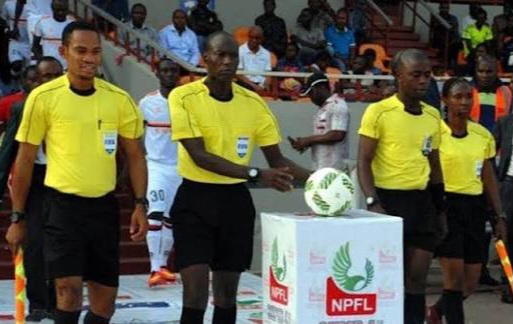
For Kwara United, the team got banished from the state first to Abeokuta, and later to Lagos, after fans behaviour during the outstanding game against Rivers United in Ilorin, which resulted in the deduction of three points from already accrued points, and a heavy fine. And despite playing all their games away from home, especially home matches, they lost only once, to Plateau United in Jos, and drew only one match, to Rangers in all the home games. They defeated Wikki Tourists in Abeokuta, and in Lagos, they defeated Nasarawa United, El-kanemi Warriors, Barau FC and Enyimba FC, to keep hopes alive ahead of the last match of the season against Bayelsa United in Yenagoa.
The team was banished out of their venue for five matches, which means that they are supposed to have returned home for the match against Enyimba FC, but the team insisted on playing the all-important match in Lagos, rather than Ilorin.
According to the release sent out by the club ahead of the Enyimba FC match, “the decision to stage the game in Lagos was taken by the management to ensure a hitch-free encounter and allow the players maintain full concentration as the battle for survival intensifies.
But, what would have given a team full concentration than playing at their traditional home, in front of their fans, who will constitute the 12th player during matches?
The team claimed that “players and officials have also resolved to approach the encounter with renewed vigour and absolute concentration in order to consolidate on their current form and resilience”. This amounts, absolutely, to, “tactically running away from a toxic ground”, especially in a must-win encounter. And the move, according to reports, was being queried in some quarters.
Apart from the new found negative mentality, the other part of the answer lies in the rising cost of accessing basic infrastructure. Stadium usage in Kwara has become increasingly commercialized, placing heavy financial burdens on clubs and organizers.
The situation has reached a point where even the state’s Football Association must pay heavily to host prestigious FA Cup matches within its own jurisdiction. This reality not only undermines administrative efficiency but also discourages the organization of grassroots competitions that are essential for talent discovery.
The implications extend far beyond elite teams. Clubs in the Nationwide League One (NLO), widely regarded as the bedrock of Nigerian football, are also grappling with exorbitant fees just to participate in league matches.
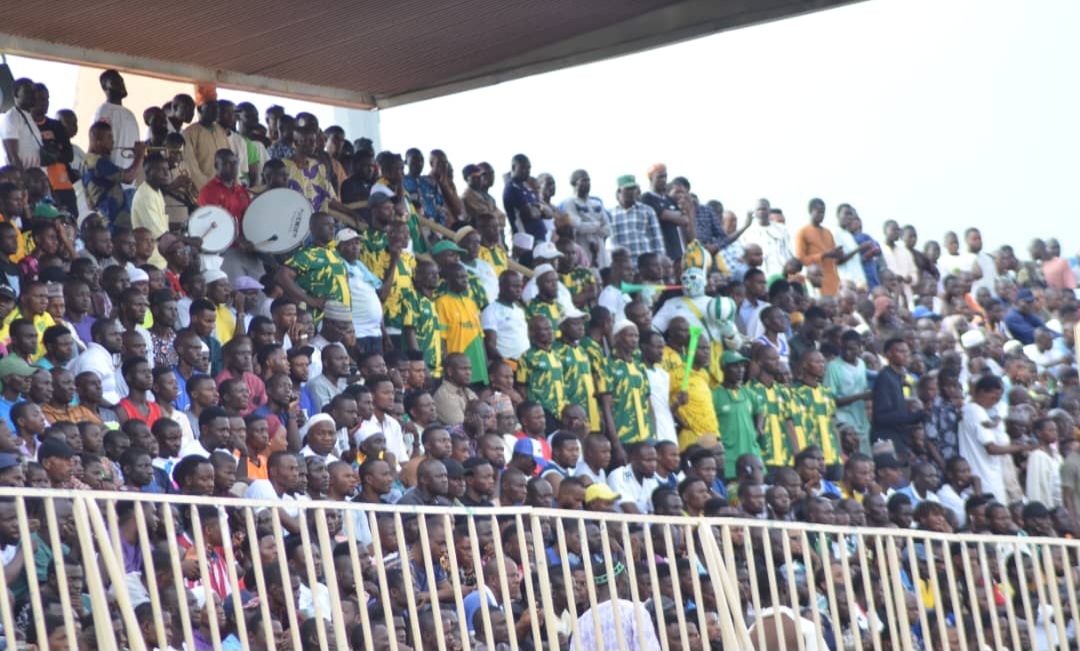
One of the immediate concerns is the growing uncertainty surrounding the possibility of Kwara hosting major football competitions, especially Federation Cup matches. Traditionally, hosting such matches brought visibility, commerce, excitement and opportunities to local football fans and businesses. Hotels, transport operators, food vendors, media practitioners and small-scale traders usually benefited from the influx of players, officials and supporters into the state.
Football thrives in environments that encourage accessibility, flexibility and collaboration among stakeholders. Once a state begins to gain a reputation for excessive restrictions, difficult processes or unfriendly operational conditions, organizers naturally look elsewhere. The danger is not only the loss of matches, but the gradual erosion of Kwara’s relevance within Nigeria’s football ecosystem.
Beyond entertainment, football remains one of the most effective instruments for maintaining social stability and improving security.
Kwara, like many states in Nigeria, has a large youth population. Keeping young people positively engaged through football and sporting activities helps reduce social tension, crime and idleness.
When youths are occupied with training, competitions, travel and career development, they are less vulnerable to social vices, cultism, drug abuse and criminal recruitment.
Ironically, while football stakeholders struggle to access standard facilities, other sports reportedly enjoy the same venues at little or no cost. This imbalance has fueled discontent within the football community, which views the policy as both inequitable and counterproductive.
Football, often seen as the most unifying and commercially viable sport, now finds itself shouldering a disproportionate share of facility maintenance costs.
Even when access is secured, the quality of facilities raises further concerns. The iconic Rashidi Yekini Main Bowl of the George Agbazika Innih Stadium, a venue that should represent the pride of Kwara football, has reportedly fallen short of expected standards.
Instances where the pitch is not properly marked, corner flags are absent, and the grass remains uncut even after payment paint a troubling picture. Such conditions not only diminish the quality of play but also pose risks to player safety and professional standards.
With limited access to affordable facilities and dwindling institutional support, young talents are being denied the platforms they need to grow. The long-term implications could be devastating, potentially leading to a generation of lost opportunities.
Private club owners in Kwara State have, over the years, played enormous roles in complementing government efforts toward youth empowerment.
Club proprietors spend millions on player welfare, accommodation, feeding, transportation, medical care and competition logistics. In doing so, they help absorb youths who might otherwise become unemployed and vulnerable.
Many talented footballers in Kwara today survive because club owners chose to invest personal resources into their dreams. These clubs also create indirect employment opportunities for coaches, media officers, match officials, kit managers, vendors, transporters and local businesses.
In essence, football clubs reduce the burden on government. What they need in return from government is a conducive atmosphere, under the auspices of Corporate Social Responsibility arrangements.
Policies that make football administration unnecessarily difficult may discourage genuine investors and weaken grassroots football structures.
Football development depends heavily on partnerships between government and the private sector. If investors begin to feel unwanted or unsupported, many will simply withdraw. The long-term consequence would be devastating for grassroots football.
Kwara risks losing youth football academies, community competitions, talent discovery platforms, sponsorship opportunities, sports tourism benefits and employment opportunities linked to football.
A hostile or overly restrictive environment could also discourage external organizers from bringing competitions into the state. Once football activities begin to decline, rebuilding confidence among investors and stakeholders becomes extremely difficult.
This reality casts doubt on the state’s commitment to its social responsibility in sports development. Government support, once seen as a pillar of Kwara’s football success, appears to be waning. Whether through policy inertia or shifting priorities, the gradual withdrawal of support is leaving stakeholders to fend for themselves in an increasingly difficult environment.
The narrative of Kwara as a “conducive environment” for football development is, therefore, becoming harder to sustain. What was once a strength is now at risk of becoming a myth, unless urgent steps are taken to address the systemic issues confronting the game.
In the end, football in Kwara is not just about clubs and competitions. It is about identity, opportunity, and the future. And right now, that future hangs in the balance.
Kwara State has the potential to remain a leading football hub in Nigeria, but that can only happen through cooperation between government authorities, football administrators, club owners, supporters and the wider sporting community.
The focus should be on preserving Kwara’s long-standing reputation as a welcoming destination for football development, not allowing that legacy to fade away.
Football in Kwara State is more than a game. It is a security strategy, a youth empowerment platform, an economic contributor and a symbol of unity.