




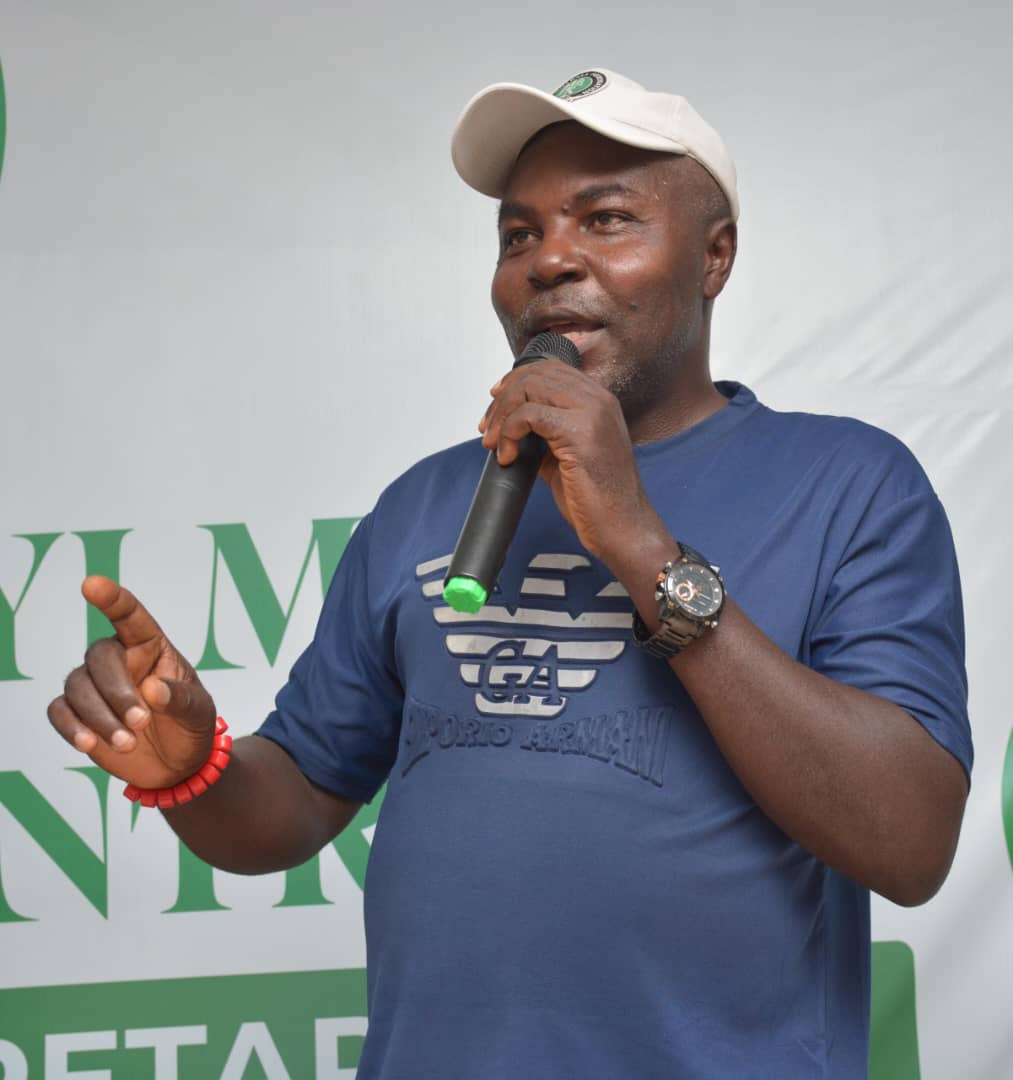
The Director of Football at Abubakar Bukola Saraki (ABS) Ilorin FC, Chief Alloy Chuwuemeka, has urged the Nigerian government to concentrate more on providing infrastructure, financial support, and the right atmosphere for sports to grow, rather than owning and managing football clubs.
The former and longest-serving secretary of the Nigeria Premier Football League (NPFL) Club Owners Association insisted that absolute professionalism remains key to developing the country’s football system.
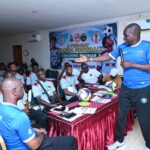
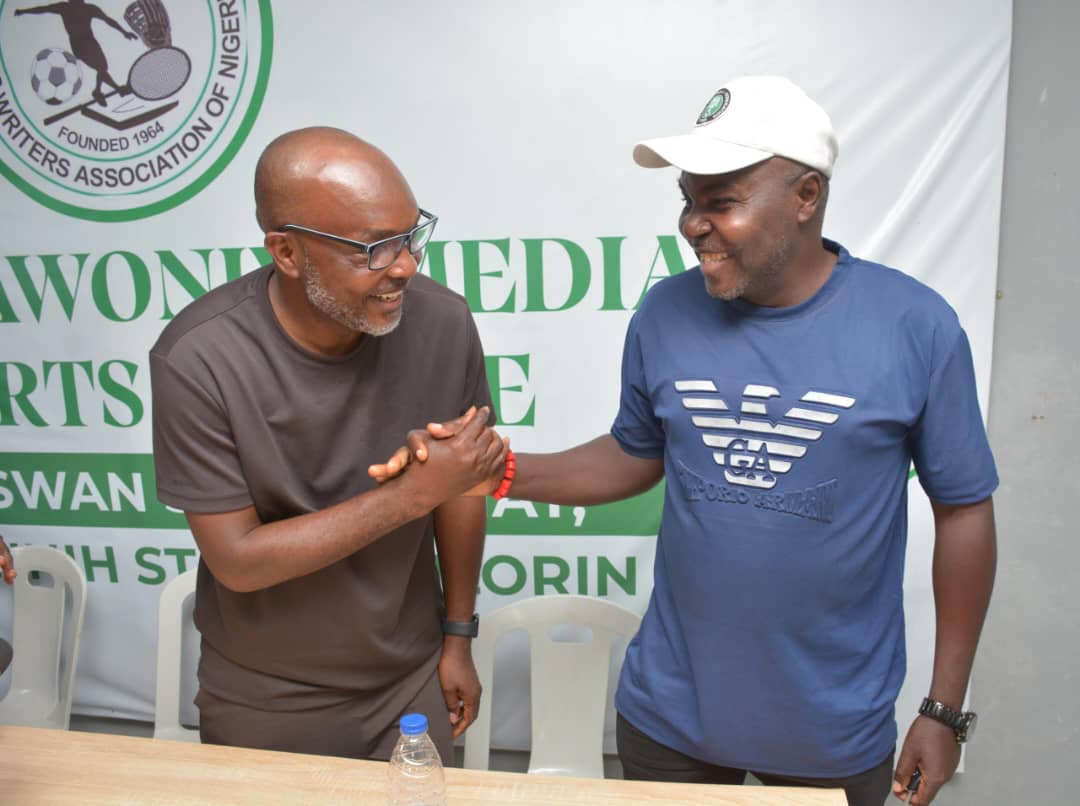
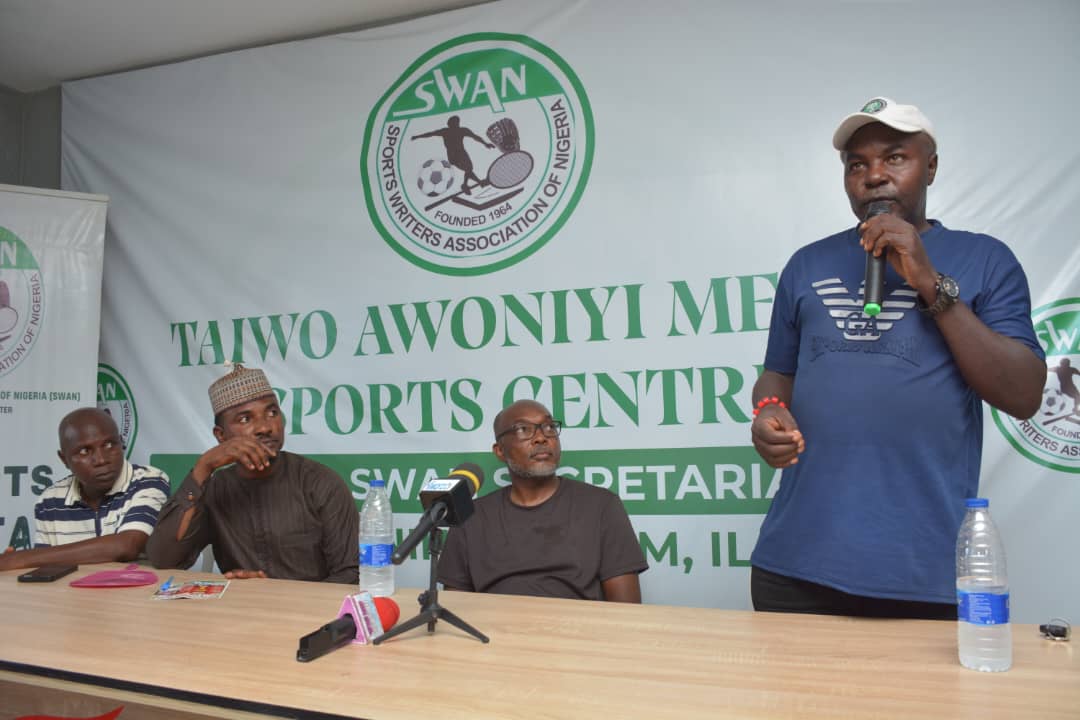
Chief Chukwuemeka made the remarks while addressing journalists during the Sports Hard Talk with Coach Abdullahi Usman Biffo, held on Friday, May 1, 2026, at the Taiwo Awoniyi Media Center in Ilorin.
According to him, Nigeria remains one of the few countries where governments at all levels still directly own and run football clubs, a situation he believes has slowed the professional growth of the sport.
“It is only in Nigeria we operate government clubs. It is not obtainable elsewhere,” Alloy stated.
“When I was presenting a paper on African football in Spain and I mentioned that there are clubs owned by the government, they were surprised. I told them, That is what is obtainable where we are coming from.”
He explained that he also told them that efforts are ongoing within the football ecosystem to gradually phase out the system and embrace private ownership completely.
“I also told them that we are on the verge of ensuring that phase is phased out so that we can come in professionally,” he added.
Chief Chukwuemeka, who is the Nwachigoziri 1 also commended the leadership of the Nigeria National League (NNL), being led by George Aluo, for what he described as a transparent process that ensured the promotion of four privately owned clubs to the Nigerian top flight after the just concluded season.
He noted that the emergence of more privately owned clubs in the Nigerian top division is a positive development for domestic football.
“That is why I want to commend the leadership of the NNL for ensuring that we have privately owned clubs promoted to the Premier League,” he said.
Chukwuemeka argued that privately run clubs often struggle to compete with government-backed teams due to financial disparities and lack of accountability in spending.
“I am coming from the private sector background where we try as much as we can to do things professionally. But we cannot compete favorably with government-owned clubs where money is being put out without accountability,” he explained.
“When government-owned clubs spend five million naira on one match, and my budget for ten matches is five million naira, we cannot compete favorably in the same environment.”
He stressed that the government still has important roles to play in sports development, particularly in providing infrastructure and financial assistance, but insisted that club management should be left in the hands of professionals.
“Sports are managed by professionals, while governments provide infrastructural, and financial support and a conducive environment. I believe one day we will get there,” Chukwuemeka concluded.