







In an era where football success is increasingly defined not only by victories on the pitch but also by visibility, communication and strategic branding, the 2026 Kwara SWAN Media Advancement Seminar for Football Coaches has emerged as a timely intervention in the quest to reposition Nigerian football.
More than a routine training programme, the seminar underscored a growing reality in modern sports: coaches can no longer afford to operate in isolation from the media and the digital ecosystem that shapes public perception, career growth and football development.
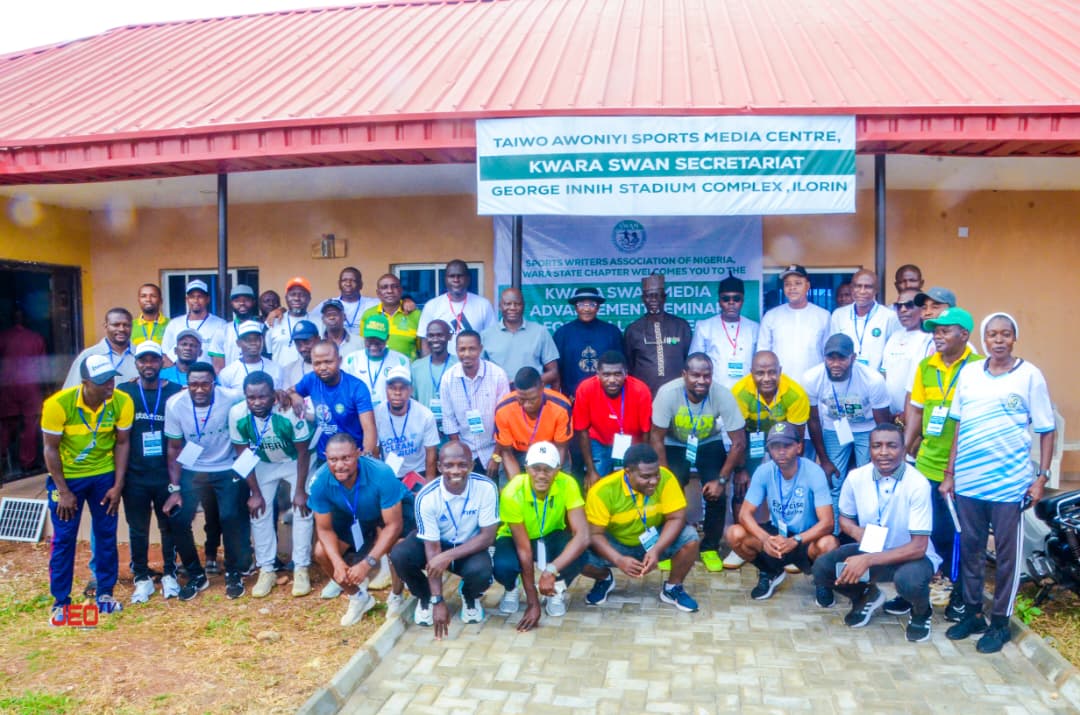
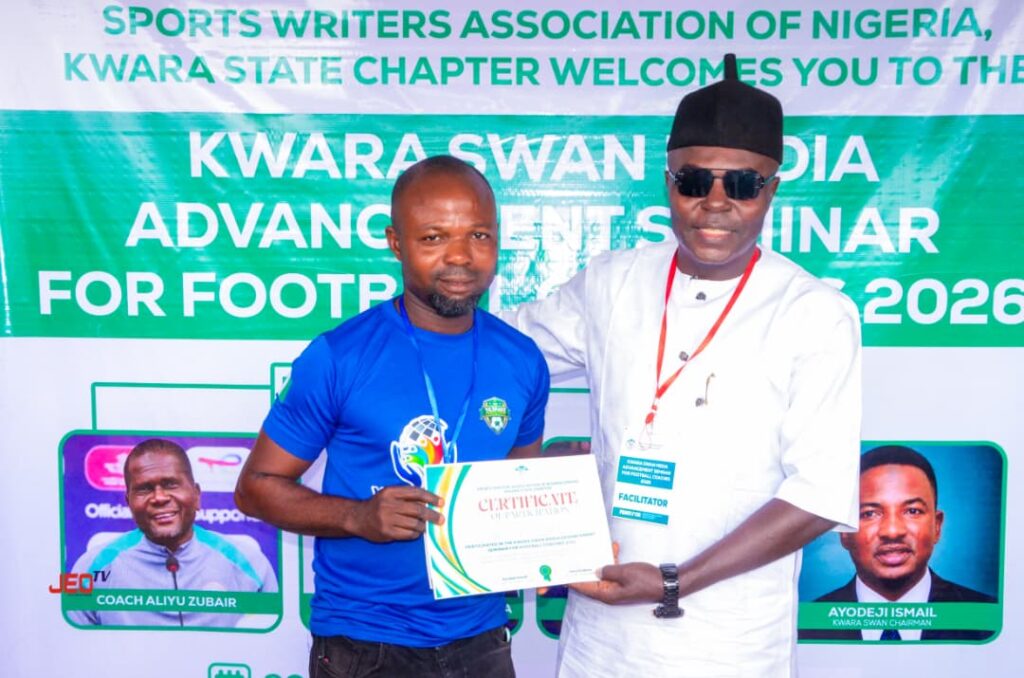
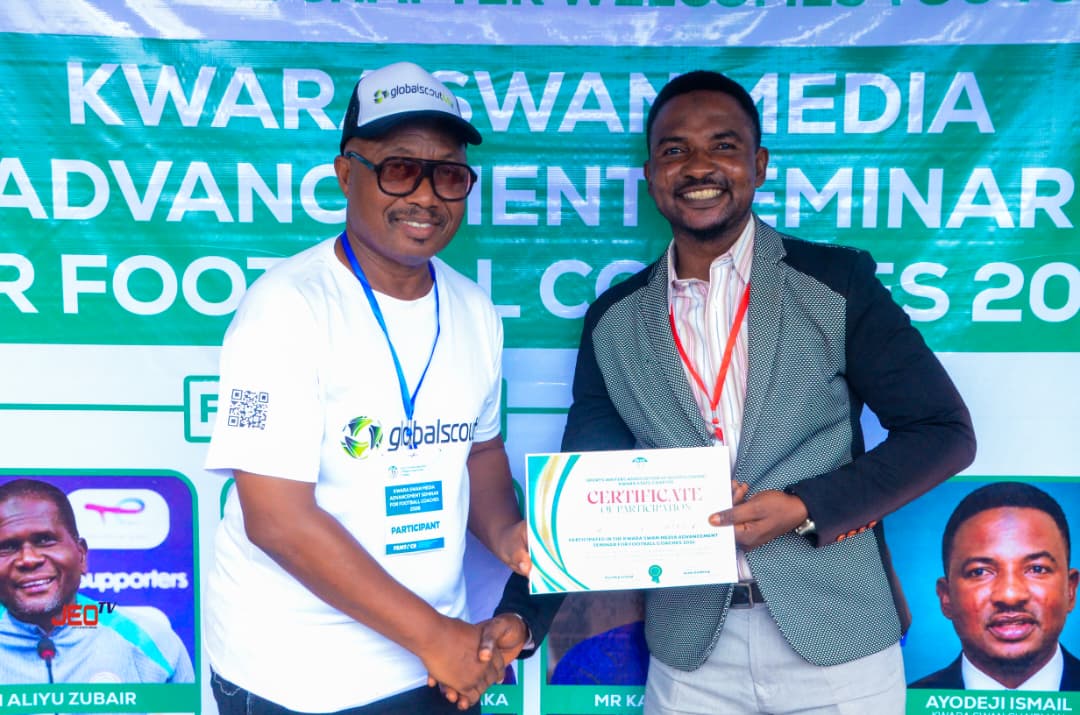
Organised by the Kwara State chapter of the Sports Writers Association of Nigeria (SWAN), the seminar brought together football coaches, sports administrators, media practitioners and digital communication experts under one roof to address an often-overlooked aspect of coaching, effective engagement with the media.
The gathering reflected a shared conviction that football development extends far beyond tactics, formations and matchday performances.
Declaring the seminar open, the Executive Chairman of the Kwara State Sports Commission, Mallam Bolakale Adisa Mogaji, described collaboration between coaches and journalists as a critical ingredient for football growth.
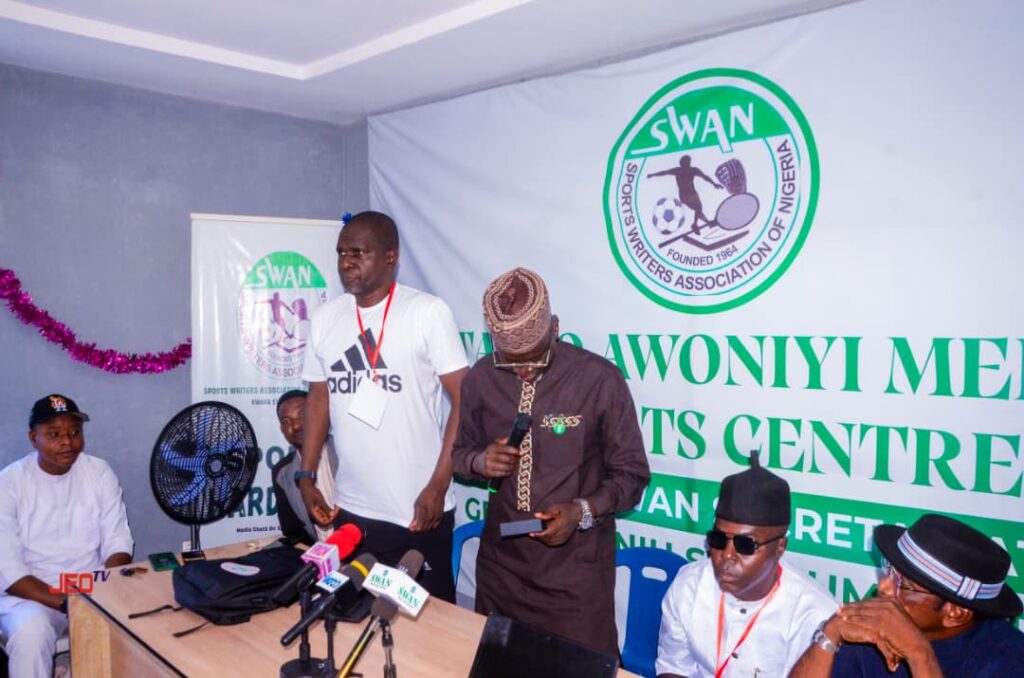
According to him, coaches and media professionals occupy strategic positions in the football value chain, and their ability to work together can significantly influence player development, club visibility and investment opportunities.
He noted that football achievements can only gain the recognition they deserve when effectively communicated to the public through responsible journalism and proactive engagement by coaches.
Mogaji also linked the seminar to the broader sporting vision of the Kwara State Government, highlighting the state’s commitment to providing world-class sporting infrastructure.
He pointed to Kwara’s impressive facilities, including what he described as the country’s best football pitch and pavilion, as evidence of deliberate investment in sports development. However, he maintained that infrastructure alone cannot transform football without corresponding improvements in communication, professionalism and stakeholder collaboration.
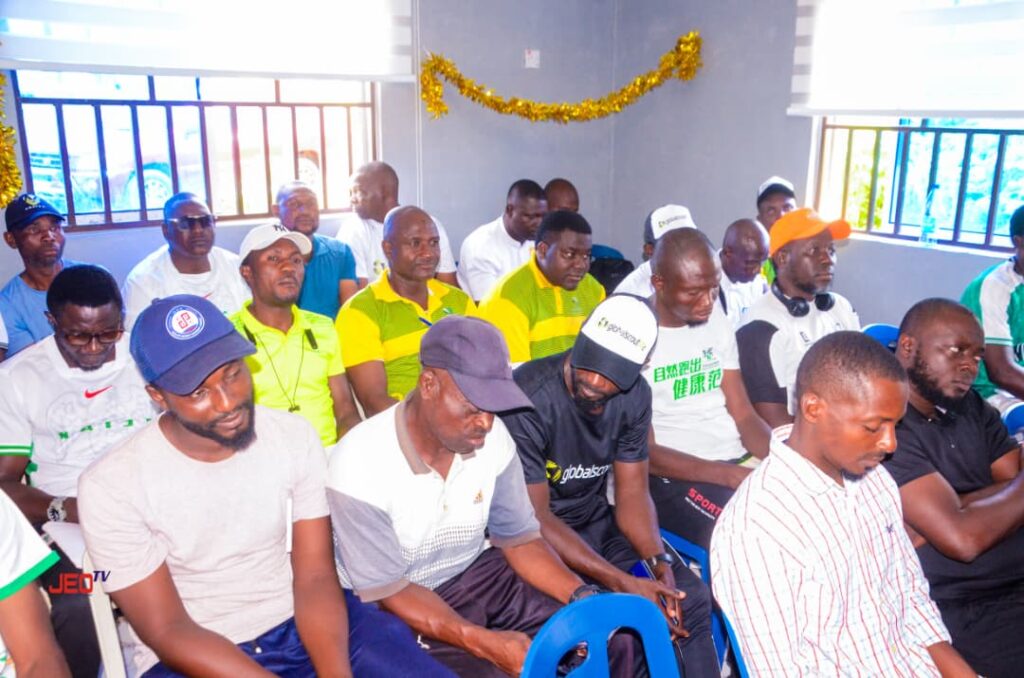
At the heart of the seminar was the conviction that the often-strained relationship between coaches and journalists must evolve into a productive partnership.
This message resonated strongly in the presentations delivered by renowned football administrator and ABS FC Director of Football, Chief Alloy Chukwuemeka, the Nwachigoziri 1, and Egypt-based coach, Aliyu Zubair.
For Chukwuemeka, the media remains one of the most powerful tools available to coaches seeking career advancement.
Drawing from decades of experience in football administration and talent development, he argued that coaches who understand how to project their work through the media stand a better chance of attracting opportunities and gaining recognition.
He urged coaches to cultivate cordial relationships with journalists throughout their careers, describing the media as an indispensable partner in sports development.
His remarks went beyond media engagement to address deeper structural issues within Nigerian football. He called for reduced government interference in football administration, insisting that governments should focus on creating enabling environments while football stakeholders manage the game.
He also raised concerns about the absence of succession planning among many sports administrators and stressed the need for stronger grassroots structures.
As evidence of what sustained grassroots investment can achieve, Chukwuemeka revealed that ABS FC has produced more than 600 players who progressed from grassroots football to the international stage.
Coach Aliyu Zubair approached the subject from the practical realities of modern coaching. He reminded participants that journalists often ask the questions football fans want answered and that coaches should never view the media as adversaries.
Instead, he encouraged them to see journalists as partners in communicating their work to the public. According to him, psychological preparation before interviews is now as important as tactical preparation before matches.
The former Flying Eagles coach emphasised emotional discipline, particularly during post-match interactions. He advised coaches to avoid reacting angrily to difficult questions and to politely decline topics they are uncomfortable discussing.
In situations where emotions are running high after matches, he suggested that assistant coaches could handle media duties when permitted by competition regulations.
Beyond communication, Zubair also highlighted the importance of comprehensive player development, stressing that coaches must focus on technical, tactical, physical and psychological growth to maximise player potential.
While the discussions on media relations attracted significant attention, the seminar also acknowledged a new reality confronting coaches globally, the influence of digital technology on professional success.
Digital marketing expert and trainer, Ibrahim Kazeem, challenged Nigerian coaches to think beyond traditional coaching responsibilities and embrace personal branding as a strategic career asset.
Kazeem argued that in today’s interconnected world, geographical limitations have largely disappeared. A coach working in Ilorin can attract recognition from clubs, scouts and stakeholders in Europe, Asia or North America if he deliberately builds a strong digital presence.
Through social media platforms, coaches can showcase their philosophy, training methods, achievements and player development programmes to wider audiences. Such visibility, he explained, can attract sponsorships, employment opportunities and strategic partnerships.
He further encouraged coaches to embrace emerging technologies, particularly Artificial Intelligence (AI), as tools for performance analysis, tactical planning and player development. Participation in podcasts, webinars, conferences and other professional networking platforms, he noted, has become essential for coaches seeking relevance in the modern football industry.
For the Chairman of Kwara SWAN, Mallam Ayodeji Ismail, the seminar represented a deliberate effort to redefine the relationship between football coaches and sports journalists in Kwara State and beyond.
He explained that the initiative was designed to equip coaches with practical media engagement skills while promoting accurate, responsible and development-focused sports journalism.
According to him, stronger understanding between coaches and journalists would improve professionalism on both sides and contribute meaningfully to football growth.
Ayodeji noted that media conferences before and after matches are no longer mere formalities but valuable opportunities for coaches to communicate their vision, project their clubs and build public trust.
He stressed that when coaches understand how to engage the media effectively, football benefits through increased visibility, stronger fan engagement and enhanced commercial appeal.
He also appreciated FEMTECH IT and the Nigerian Football Coaches Association for supporting the initiative, describing their partnership as evidence of what collaboration can achieve in advancing football development.
Ultimately, the significance of the Kwara SWAN Media Advancement Seminar lies in its recognition that football has evolved into a multidimensional industry.
Today’s successful coach must be a tactician, communicator, leader, mentor and brand ambassador all at once. The seminar’s message was clear: talent and technical expertise alone are no longer enough. Coaches who understand the power of communication, media relations and digital visibility will be better positioned to influence the game, attract opportunities and inspire the next generation of footballers.
As Nigerian football continues its search for sustainable growth and global relevance, initiatives such as this may prove to be among the most important investments in the future of the game.
By bringing coaches and journalists together as partners rather than rivals, Kwara SWAN has opened a new chapter in the conversation about football development, one where collaboration, communication and innovation are recognised as indispensable tools for success.