








For decades, stakeholders have lamented the slow growth of the Nigeria Premier Football League (NPFL), a competition blessed with talent but burdened by poor administration, inadequate funding, weak commercial structures, inconsistent policies, and declining public confidence.
Consequently, the recent reforms announced jointly by the National Sports Commission (NSC) and the Nigeria Football Federation (NFF) have been greeted with a mixture of excitement, cautious optimism and healthy skepticism.
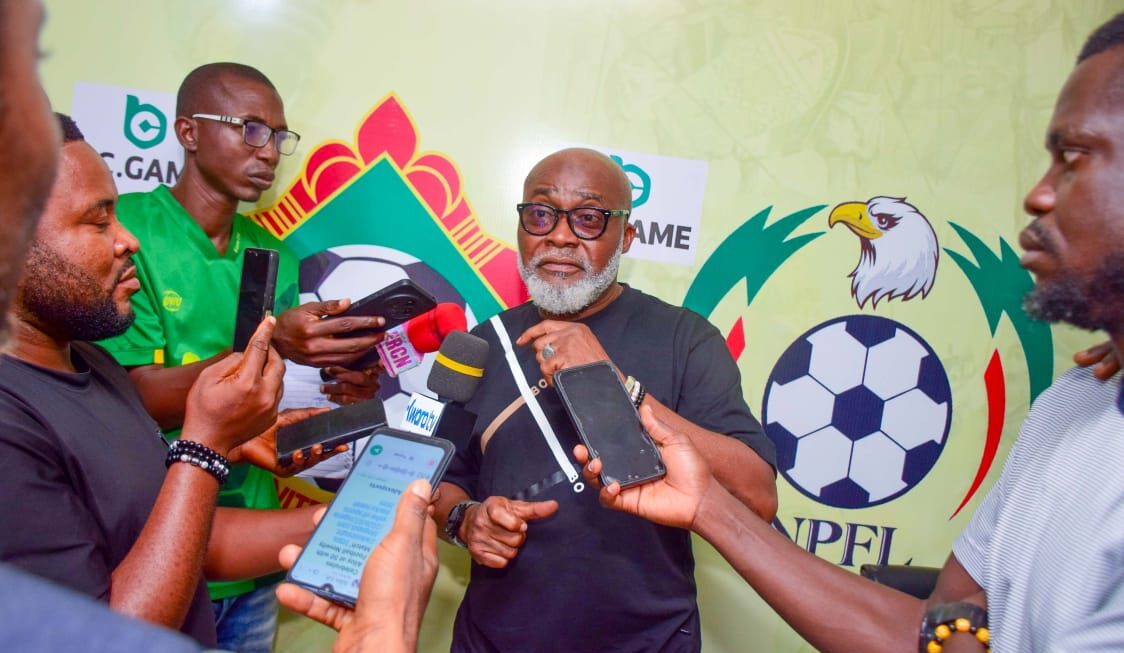
At a high-level meeting in Abuja involving NSC Chairman Mallam Shehu Dikko, Director-General Bukola Olopade, NFF President Ibrahim Musa Gusau, General Secretary Mohammed Sanusi and Super Eagles coach Eric Chelle, Nigerian football authorities unveiled what many have described as the most ambitious domestic football reform package in recent history.
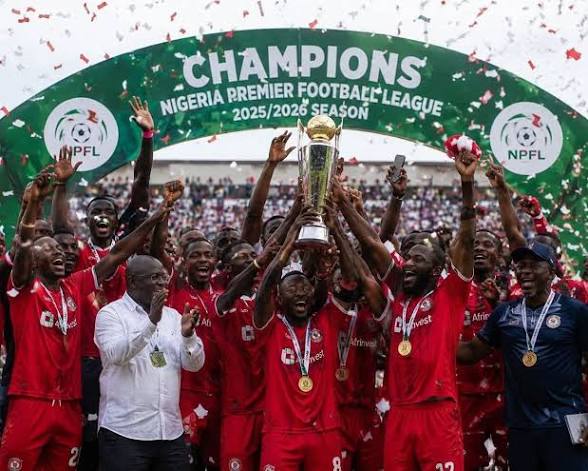
The centrepiece of the reforms is a staggering ₦1 billion prize money for the NPFL champions beginning from the 2026/27 season, alongside a proposed ₦2 million minimum monthly wage for players, stricter club licensing regulations, and plans to return league matches to mainstream television.
Without doubt, these proposals represent a significant departure from the past. From a league that paid champions just ₦15 million in 2016, the NPFL has witnessed a steady increase in prize money, rising to ₦100 million in 2022/23, ₦150 million in 2023/24, ₦200 million in 2024/25, and now a proposed ₦1 billion jackpot.
The message is clear, Nigerian football wants to compete economically with the best leagues on the continent.
The biggest positive from the reforms is the renewed ambition. For years, one of the major criticisms against Nigerian football administrators was the absence of long-term planning. This latest initiative suggests a deliberate attempt to transform the NPFL from a survival-driven competition into a commercially viable football product.
The proposed ₦1 billion prize fund has the potential to change the psychology of club ownership and management. With substantial financial rewards available, clubs will be encouraged to invest more in player recruitment, youth development, coaching, marketing and infrastructure. Investors who previously viewed Nigerian football as financially unattractive may begin to see opportunities.
Equally commendable is the renewed emphasis on club licensing. Across successful football nations, strict licensing requirements serve as the foundation for professionalism. Clubs are expected to meet standards relating to finances, infrastructure, administration, youth development and player welfare. Enforcing these standards could finally compel NPFL clubs to operate as genuine football institutions rather than seasonal projects.
The plan to return the league to mainstream television is another welcome development. Modern football thrives on visibility. Sponsors invest where audiences exist. Fans engage more when matches are accessible. Broadcasters create narratives that build stars and expand commercial opportunities.

A professionally televised NPFL could significantly improve the league’s profile both locally and internationally.
The focus on player welfare also deserves recognition. Nigerian football has long suffered from the exodus of talented players to obscure leagues abroad, largely because domestic football cannot provide adequate financial security. Improving salaries and working conditions could slow this trend and help retain quality talent.
While the reforms appear attractive on paper, several critical questions remain unanswered.
The first concerns funding. Neither the NSC nor the NFF clearly explained the source of the projected ₦1 billion prize money and other financial commitments attached to the reforms. Is the money coming from private investors, corporate sponsorships, television rights, strategic partnerships, or government intervention?
If the initiative is driven by private sector investment, stakeholders deserve transparency regarding the sponsors and commercial partners backing the project. Sustainable football economies around the world are built on corporate partnerships, media rights, merchandising and private investment rather than government spending.
However, if the reforms are largely dependent on public funds, concerns about sustainability immediately arise. Nigerian governance has historically been influenced more by personalities than institutional continuity. Administrations come and go, priorities change, and many projects disappear with the officials who initiated them.
If these reforms are tied directly to President Bola Ahmed Tinubu’s Renewed Hope Agenda, what becomes of the programme after the current administration leaves office? Without strong institutional frameworks, today’s football revolution could become tomorrow’s abandoned project.
Another concern relates to stakeholder consultation. Football clubs are the primary employers within the NPFL ecosystem. Yet many observers believe club owners should have been more deeply involved in discussions regarding the proposed ₦2 million minimum monthly wage before any announcement was made.
Perhaps the most controversial aspect of the reforms is the proposed ₦2 million minimum monthly salary for NPFL players.
The objective is noble. Every professional footballer deserves fair compensation. However, policy must be rooted in reality. How many NPFL clubs can genuinely sustain such a wage structure?
The majority of NPFL clubs remain government-owned and depend almost entirely on allocations from state governments. Several states struggle to fund sports development programmes comprehensively. Some cannot consistently finance participation at the National Sports Festival or National Youth Games.
Even under the current wage structure, salary delays remain commonplace across the league. Cases of unpaid salaries, bonuses and contractual obligations frequently appear before football authorities. If clubs are struggling to meet existing commitments, imposing a ₦2 million minimum wage without first strengthening club revenues may create more problems than solutions.
Private clubs face similar challenges. Apart from a handful of financially stable teams, many privately-owned clubs operate within limited budgets. Forcing clubs into wage obligations beyond their financial capacity could increase debt, trigger contract disputes and potentially force some clubs out of business.
Football economics cannot be legislated into existence. Revenue must come before expenditure.
Beyond players and clubs lies another critical issue that the reforms appear to have overlooked. Match officials and league administrators.
A league offering ₦1 billion to its champions automatically raises the stakes. More money means greater pressure, higher expectations and increased temptation.
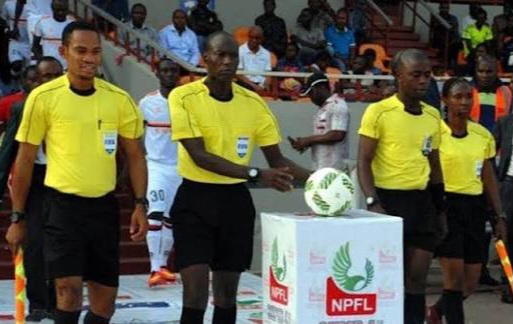
Referees will become even more important in determining league outcomes. Yet their welfare remains one of the weakest links in the Nigerian football ecosystem.
A referee travelling across the country to officiate matches often faces logistical difficulties, security risks and delayed indemnities. In some cases, transport and accommodation costs consume a substantial portion of the allowances provided. Such conditions expose officials to undue influence.
The same challenge applies to disciplinary committees, assessors and league administrators responsible for maintaining integrity. If those entrusted with enforcing the rules are poorly compensated or inadequately supported, the temptation for compromise inevitably increases.
The painful memories of controversial officiating incidents and crowd disturbances in Nigerian football remain fresh. Therefore, improving the welfare of referees and disciplinary personnel should rank alongside player welfare in any meaningful reform agenda.
No football revolution can succeed without addressing infrastructure.
Many NPFL stadiums still fall short of acceptable standards in pitch quality, security, media facilities, medical support systems and spectator comfort. Television coverage may attract viewers initially, but poor facilities will ultimately undermine the product.
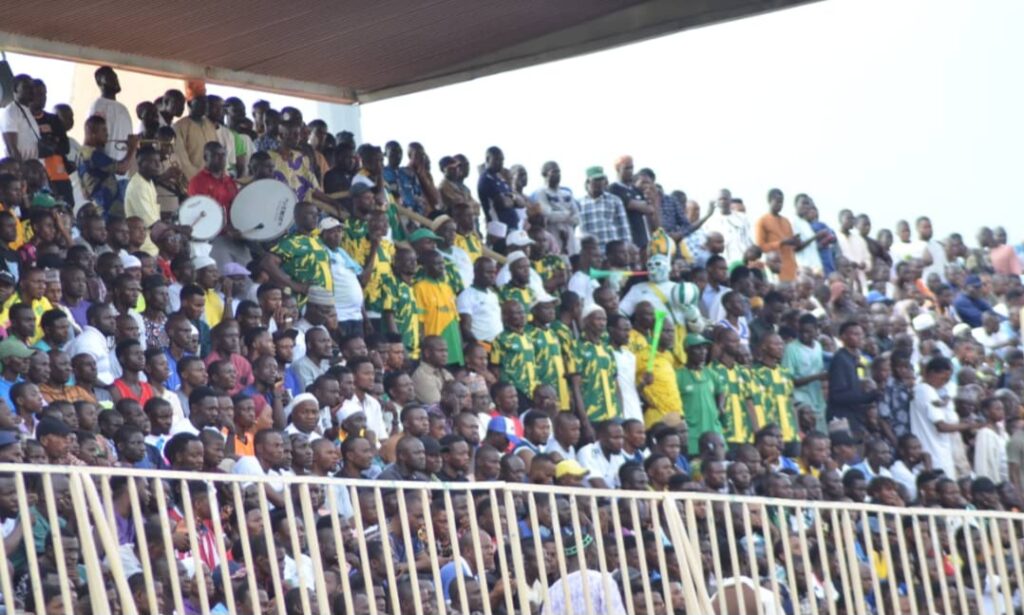
Likewise, hooliganism continues to damage the league’s reputation. Fans, sponsors and broadcasters are reluctant to associate with competitions where security cannot be guaranteed. Strong disciplinary measures and improved stadium management must accompany financial reforms.
The future of Nigerian football ultimately depends on commercial viability rather than government intervention.
Successful leagues around the world generate income through sponsorships, television rights, merchandising, ticket sales, digital engagement and strategic partnerships. Government support can provide initial momentum, but sustainable growth requires market-driven structures.
The danger is that football may become even more dependent on political decisions rather than less. Already, many state governments treat football clubs as public relations tools rather than professional enterprises. Club managers are often appointed through political patronages instead of proven competence.
Without governance reforms, increased funding alone may simply magnify existing inefficiencies.
There is no doubt that Mallam Shehu Dikko and Ibrahim Gusau deserve credit for attempting to change the economics of Nigerian football. The vision is bold. The ambition is refreshing. The desire to elevate the NPFL is evident.
However, successful reforms require more than impressive figures and ambitious announcements. They require transparency, sustainability, stakeholder buy-in, institutional continuity and practical implementation strategies.
The ₦1 billion prize fund could transform the NPFL. The television initiative could increase visibility. Improved club licensing could enhance professionalism. Better player welfare could elevate standards.
Yet unless equal attention is given to funding transparency, referee welfare, infrastructure development, club sustainability, commercial independence and long-term policy stability, the reforms may struggle to achieve their intended impact.
The NSC and NFF have taken an important first step. The challenge now is ensuring that the excitement generated by the reforms translates into a stronger, fairer and truly sustainable football league.
For Nigerian football, this may indeed be a new dawn. But whether it becomes a lasting sunrise or merely a bright flash on the horizon will depend on what happens next.